Decoding the Black Box: Achieving Transparency and Trust in AI-Driven Drug Discovery
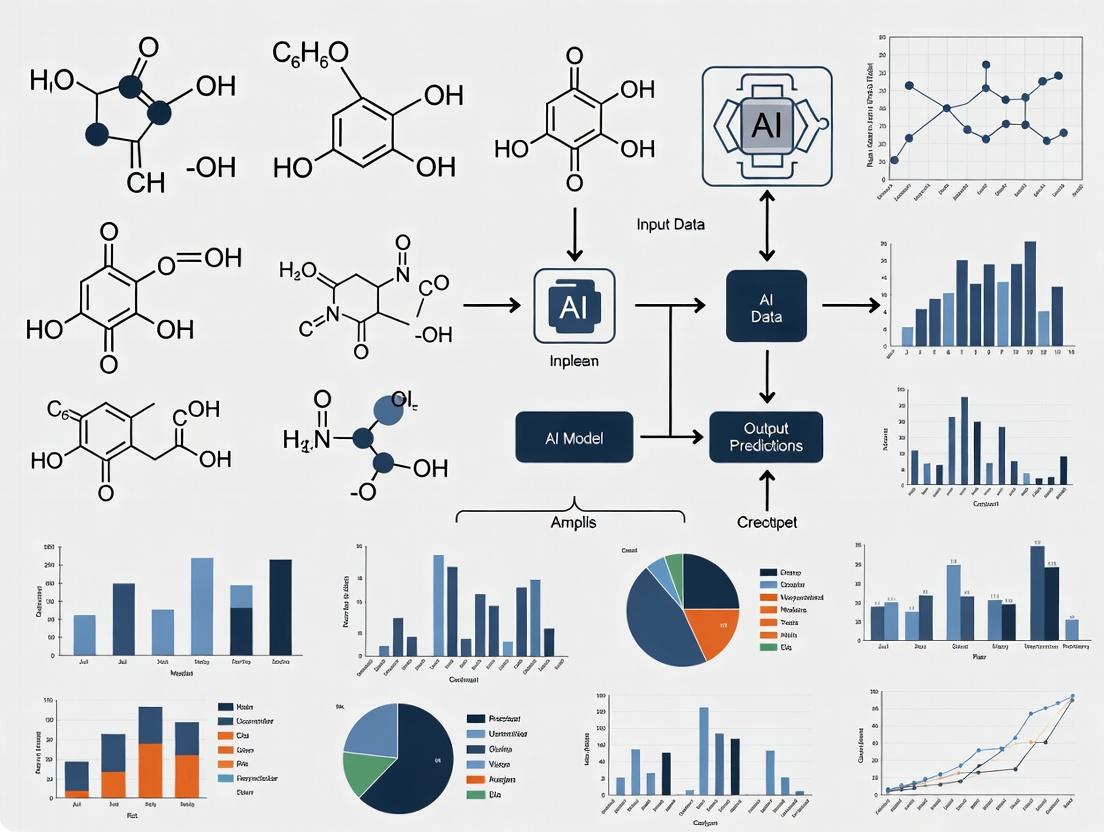
This article provides a comprehensive analysis of the 'black box' problem in AI for drug discovery, addressing the critical need for transparency among researchers and development professionals.
Decoding the Black Box: Achieving Transparency and Trust in AI-Driven Drug Discovery
Abstract
This article provides a comprehensive analysis of the 'black box' problem in AI for drug discovery, addressing the critical need for transparency among researchers and development professionals. It explores the fundamental risks of opaque models, details practical methodologies of Explainable AI (XAI), outlines strategies for troubleshooting bias and implementation challenges, and examines frameworks for validation and regulatory compliance. By synthesizing current research and solutions, the article offers a roadmap for integrating interpretable AI to enhance scientific rigor, foster trust, and accelerate the development of safe, effective therapeutics.
The Black Box Dilemma in Drug Discovery: Understanding the Core Risks and Ethical Imperatives
In the context of AI-driven drug discovery, the "Black Box Effect" refers to systems that deliver predictions without revealing the internal logic behind their conclusions [1]. For researchers and scientists, this opacity is more than a technical curiosity—it is a significant stumbling block that complicates the validation of targets, the understanding of biological mechanisms, and the justification of costly experimental follow-ups [1] [2]. The inability to interpret a model's decision-making process raises critical concerns about trust, efficacy, and safety, particularly in the high-stakes field of therapeutic development [3] [2].
This Technical Support Center is designed to assist drug development professionals in diagnosing, troubleshooting, and overcoming the challenges posed by opaque AI/ML models. By providing clear guidance on Explainable AI (XAI) techniques and practical troubleshooting steps, we aim to bridge the gap between powerful predictive algorithms and the interpretable, actionable insights required for rigorous scientific research.
Core Concepts: Interpretability vs. Explainability
Understanding the tools available to open the black box begins with clarifying key terminology:
- Interpretability refers to the ability to discern the cause-and-effect relationships within a model, often by analyzing how changes in input features affect the output, even if the model's complete internal workings remain complex [4].
- Explainability is a related concept that seeks to answer the "why" behind a specific model prediction in human-understandable terms [4].
A primary strategy is to use inherently interpretable models (like linear regression or decision trees) whose structures are transparent by design [5]. However, for complex tasks requiring deep learning or ensemble methods, post-hoc interpretability techniques are essential. These methods, applied after a model is trained, can be model-agnostic (applicable to any model) or model-specific [5].
The following diagram categorizes the main approaches to tackling model opacity, illustrating the path from a trained black-box model to human-understandable insights.
Technical Support Center: Troubleshooting Guide & FAQs
Frequently Asked Questions (FAQs)
Q1: My deep learning model for toxicity prediction has high accuracy, but reviewers keep asking for "mechanistic insight." How can I provide this from a black box model? [3] [2]
A: This is a common hurdle in publishing and validating AI work in drug discovery. To address it:
- Employ Post-Hoc Explainability Techniques: Use model-agnostic methods like SHAP (Shapley Additive exPlanations) or LIME (Local Interpretable Model-agnostic Explanations) to generate feature importance scores for individual predictions [4]. For a global view, use Partial Dependence Plots (PDP) to show the average relationship between a key molecular descriptor (e.g., logP, presence of a toxicophore) and the predicted toxicity [4].
- Link Features to Domain Knowledge: Map the high-importance features identified by SHAP or LIME back to known chemical or biological principles. For example, if the model consistently highlights a specific substructure, correlate this with literature on structural alerts for toxicity.
- Validate with Experimental Data: Use the model's explanations to form a testable hypothesis. If the model predicts toxicity based on feature X, design a small wet-lab experiment (e.g., a cell-based assay) to confirm that modifying feature X alters the toxic outcome. This bridges the AI prediction and biological validation [1].
Q2: We are using a random forest model to prioritize novel drug targets from genomic data. How can we be confident it's learning real biology and not just dataset artifacts? [1] [5]
A: Ensuring biological fidelity is critical.
- Conduct Permutation Feature Importance Analysis: This technique shuffles each feature column and measures the resulting increase in model error. Features whose permutation causes a large error increase are considered important. This helps distinguish causal signals from noise [4].
- Implement Rigorous Data Sanitization: The most common source of artifact is data leakage or batch effects. Ensure that no information from the validation/test sets leaks into the training process. For genomic data, correct for batch effects and platform-specific biases before training.
- Use Domain Knowledge as a Filter: Integrate prior biological knowledge into your model's feature set or as a post-processing filter. For instance, Envisagenics incorporates RNA-protein interaction data and known regulatory circuits of the spliceosome directly into its predictive features, grounding the model in mechanistic biology [1].
Q3: What are the simplest first steps to make my AI/ML workflow more interpretable for a drug discovery project? [4] [5]
A: Start with straightforward, actionable practices:
- Baseline with Simple Models: Before deploying a complex neural network, always train a simpler, inherently interpretable model like a logistic regression or a shallow decision tree on the same data. Use its performance as a benchmark. If the complex model's superior accuracy doesn't justify its opacity, consider sticking with the simpler one [5].
- Generate and Review Feature Importance: For your chosen model, consistently calculate and document global feature importance (e.g., via mean decrease in impurity for tree-based models or coefficients for linear models). Have a domain expert review the top features for biological plausibility.
- Create Standard Interpretation Reports: For key predictions (e.g., a top-ranked drug candidate), automate a report that includes: the prediction, the confidence score, a local explanation (e.g., SHAP values showing the top 5 features driving this specific prediction), and a counterfactual suggestion (e.g., "Which molecular property would most reduce the predicted off-target risk?").
Q4: Our team has developed a promising predictive model, but the clinical team doesn't trust it because they "can't see how it works." How do we build trust? [1] [2]
A: Building trust requires transparency and collaboration.
- Visualize the Decision Pathway: Create intuitive visualizations of how data flows through your model to a prediction. For a model analyzing cell images, use saliency maps to highlight which regions of the image most influenced the classification [4] [6].
- Implement a "Glass Box" Prototype: Develop a simplified, interpretable version of your model (a surrogate model) that mimics the predictions of the black-box system for the most common cases. A clinician can interact with and understand this surrogate, building confidence in the overall system's logic [4].
- Facilitate Interactive Exploration: Allow users to ask "what-if" questions. Build a simple interface where scientists can adjust input parameters (e.g., gene expression levels) and see how the model's prediction changes in real-time. This interactive exploration demystifies the model's behavior [6].
Q5: Are there specific XAI techniques recommended for different stages of the drug discovery pipeline? [3]
A: Yes, the choice of XAI technique can be tailored to the stage-specific question.
| Drug Discovery Stage | Primary AI Task | Recommended XAI Techniques | Goal of Interpretation |
|---|---|---|---|
| Target Identification | Prioritizing genes/proteins from omics data. | Permutation Feature Importance, Global Surrogate Models (e.g., a decision tree) [4] [5]. | Understand which genomic or pathway features the model uses globally to identify high-priority targets. |
| Compound Screening & Design | Predicting activity, toxicity, or ADMET properties. | SHAP, LIME, Counterfactual Explanations [4]. | Explain why a specific compound was predicted to be active/toxic and suggest structural modifications. |
| Preclinical Validation | Analyzing high-content imaging or biomarker data. | Layer-wise Relevance Propagation (LRP), Attention Mechanisms, Saliency Maps [6]. | Identify which parts of an image or which biomarkers the model focused on to make its assessment. |
Featured Experimental Protocol: Decoding Splicing Modulation with Interpretable AI
This protocol is adapted from the methodology of Envisagenics, which uses its SpliceCore platform to transparently predict splice-switching oligonucleotide (SSO) drug targets [1].
Objective: To identify and validate novel, druggable splicing events in a disease context (e.g., triple-negative breast cancer) using an interpretable AI/ML workflow.
Detailed Methodology:
Data Curation & Feature Engineering:
- Input: Collect RNA-sequencing data from diseased and healthy control tissues. Perform alternative splicing analysis to quantify splicing event levels (e.g., percent spliced in, PSI).
- Feature Construction: Instead of using raw data, engineer biologically meaningful features. Map splicing events to 32 unique regulatory circuits of the spliceosome—defined networks of RNA-protein interactions. The presence and activity level of each circuit for a given splicing event become the discrete, quantifiable predictive features for the ML model [1].
Model Training with Interpretability by Design:
- Train a model (e.g., a gradient boosting machine) to predict splicing disruption using the regulatory circuit features.
- Key Transparency Step: Prioritize model transparency. This may involve sacrificing marginal predictive accuracy for a model whose feature weights (importance) can be clearly articulated and mapped back to the biological function of the corresponding spliceosome circuit [1].
Prediction & Druggability Mapping:
- Apply the trained model to the transcriptome of the target disease to predict dysregulated, disease-driving splicing events.
- Overlay RNA-binding protein (RBP) binding site data and secondary structure information onto the top predictions to create a "druggability map." This map identifies optimal binding sites for antisense oligonucleotides (ASOs) or splice-switching oligonucleotides (SSOs) designed to correct the splicing defect [1].
In Vitro Validation:
- Design SSOs targeting the highest-ranked predicted sites.
- Transfert cell lines with the SSOs and measure the correction of the aberrant splicing event via RT-PCR or nanostring.
- Assess downstream functional effects using relevant cell viability, migration, or gene expression assays.
The workflow below illustrates this integrated cycle of computational prediction and experimental validation.
The Scientist's Toolkit: Research Reagent Solutions
The following table details essential computational and biological reagents for implementing interpretable AI workflows in splicing-targeted drug discovery, as exemplified in the protocol above.
| Research Reagent / Solution | Primary Function in Interpretable AI Workflow | Key Consideration for Transparency |
|---|---|---|
| SpliceCore or Similar AI Platform [1] | Cloud-based platform for exon-centric analysis; identifies splicing events and maps them to regulatory circuits for use as interpretable ML features. | Ensures features are grounded in RNA biology, making model outputs relatable and actionable. |
| RNA-seq Datasets (Disease & Control) | Primary input data for quantifying alternative splicing events (e.g., using tools like rMATS, LeafCutter). | Quality and batch effect correction are critical to prevent model from learning technical artifacts instead of biology. |
| Spliceosome Regulatory Circuit Database | A curated knowledge base defining the 32+ mechanistic units (RNA-protein interaction networks) of the spliceosome [1]. | Provides the ontology for translating raw splicing data into biologically meaningful, interpretable model features. |
| RNA-Protein Interaction (CLIP-seq) Data | Maps binding sites of RNA-binding proteins (RBPs) across the transcriptome. | Integrated post-prediction to assess "druggability" by identifying accessible sites for oligonucleotide binding. |
| Splice-Switching Oligonucleotide (SSO) Libraries | Molecules designed to hybridize to pre-mRNA and modulate splicing. Used for experimental validation of AI predictions [1]. | Validation of AI predictions with SSOs provides a direct functional readout, closing the loop between computation and biology. |
| Interpretable ML Software Libraries(e.g., SHAP, LIME, Eli5) | Python/R packages that implement post-hoc explanation algorithms on top of existing black-box models. | Allows researchers to add interpretability layers to complex models without redesigning the entire AI pipeline. |
The integration of Artificial Intelligence (AI) and Machine Learning (ML) into drug discovery has accelerated target identification, molecular design, and preclinical analysis. However, the "black box" nature of many complex models—particularly deep learning—poses a significant risk to the foundational pillars of drug development: safety, efficacy, and scientific trust. When researchers cannot interrogate how an AI model arrived at a novel drug candidate or a toxicity prediction, it undermines the rigorous validation processes required by regulators and the scientific method itself. This technical support center provides actionable guidance for researchers to implement transparent, interpretable, and reproducible AI-driven workflows, thereby mitigating the risks associated with opaque models.
Technical Support Center: Troubleshooting AI-Driven Experiments
Frequently Asked Questions (FAQs) & Troubleshooting Guides
Q1: My AI model for virtual screening identified a lead compound, but I cannot explain its decision. How can I validate this finding before proceeding to synthesis? A: This is a classic "black box" output. Follow this protocol:
- Employ Post-Hoc Interpretation Tools: Use SHAP (SHapley Additive exPlanations) or LIME (Local Interpretable Model-agnostic Explanations) to generate feature importance scores for the predicted compound.
- Perform Similarity Analysis: Calculate Tanimoto coefficients or use Matched Molecular Pair analysis against known actives in your training set. High similarity may provide a traditional chemical rationale.
- Initiate a Focused In Silico Assay: Dock the compound into the target's crystal structure (if available) and analyze interaction fingerprints. Compare these to interactions made by known binders.
- Design a Control Set: Synthesize or acquire a small set of analogues with systematic variations on the unexplained pharmacophore to test the model's sensitivity.
Q2: My predictive model for cytotoxicity shows high accuracy on test data but fails drastically in preliminary wet-lab experiments. What could be wrong? A: This indicates a potential "domain shift" or hidden bias in your training data.
- Troubleshooting Steps:
- Audit Your Training Data: Check for source bias. Was data pooled from multiple cell lines or assay types? Use t-SNE or UMAP to visualize the chemical space of your training set versus your experimental compounds.
- Check for Data Leakage: Ensure no experimental compounds (or their close analogues) were inadvertently present in the training data. Examine the model's performance on truly external data.
- Implement Uncertainty Quantification: Use models that provide prediction confidence intervals (e.g., Bayesian Neural Networks, ensemble methods). Discard predictions with high epistemic uncertainty.
- Validate with a Simpler Model: Train a simple, interpretable model (like a random forest or linear model) on the same data. If it performs comparably, use its decision rules to cross-check the deep learning model's predictions.
Q3: How can I ensure the reproducibility of my AI-based drug response prediction model? A: Reproducibility is a cornerstone of transparency.
- Mandatory Documentation Checklist:
- Code & Environment: Publish code in a repository (e.g., GitHub, GitLab) with a detailed
README.mdand an environment file (e.g.,environment.yml,Dockerfile). - Data Provenance: Document the exact source, version, and pre-processing steps (including all normalization and filtering parameters) for all training and test data. Use unique identifiers (like DOIs) where possible.
- Hyperparameter Logging: Record every hyperparameter (learning rate, batch size, architecture specifics, dropout rates) using a framework like Weights & Biases or MLflow.
- Random Seed Declaration: Fix and report all random seeds for Python, NumPy, and deep learning frameworks (PyTorch, TensorFlow).
- Code & Environment: Publish code in a repository (e.g., GitHub, GitLab) with a detailed
Key Experimental Protocols for Transparent AI Validation
Protocol 1: Implementing SHAP for Compound Prioritization Explainability Objective: To explain the output of any ML model that predicts compound activity. Methodology:
- Train your predictive model (e.g., a graph neural network for property prediction).
- For the compound(s) of interest, instantiate a
shap.Explainer()using the appropriate explainer (e.g.,KernelExplainerfor any model,DeepExplainerfor neural networks). - Calculate SHAP values on a representative background dataset (e.g., 100 randomly sampled training compounds).
- Visualize the results using
shap.plots.waterfall()for single-prediction explanation orshap.plots.beeswarm()for global feature importance. - Map critical molecular features (e.g., specific functional groups identified by SHAP) back to structural alerts or pharmacophoric hypotheses.
Protocol 2: Counterfactual Analysis for Model Interrogation Objective: To understand the minimal changes required to flip a model's prediction (e.g., from "active" to "inactive"). Methodology:
- Start with a seed molecule predicted as "active."
- Use a library like
DiBSorMoliverseto generate a set of similar molecules via small, rational structural perturbations (e.g., adding/removing a methyl, changing a heteroatom). - Run the perturbed molecules through the trained AI model.
- Identify the molecule(s) with the highest structural similarity to the seed but a flipped prediction ("inactive").
- Analyze the structural difference between the seed and the counterfactual; this difference highlights the chemical feature the model deems critical for activity, providing a testable hypothesis.
Data & Materials
Quantitative Comparison of AI Explainability Techniques
Table 1: Comparison of Post-Hoc AI Interpretability Methods in Drug Discovery Contexts
| Method | Model Agnostic | Output Type | Computational Cost | Best Use Case in Drug R&D |
|---|---|---|---|---|
| SHAP | Yes | Global & Local Feature Importance | Medium-High | Explaining individual compound predictions & identifying key molecular descriptors. |
| LIME | Yes | Local Feature Importance | Low | Generating simple, intuitive explanations for a single prediction for interdisciplinary teams. |
| Attention Mechanisms | No (Built-in) | Feature Weights | Low | Interpreting sequence-based (proteins, genes) or graph-based (molecules) models inherently. |
| Counterfactual Analysis | Yes | Example-Based | Medium | Generating testable chemical hypotheses by finding minimal change to alter prediction. |
| Partial Dependence Plots | Yes | Global Feature Effect | Medium | Understanding the marginal effect of a specific molecular feature on model output. |
The Scientist's Toolkit: Essential Reagents for Transparent AI Workflows
Table 2: Research Reagent Solutions for Interpretable AI-Driven Research
| Item / Tool | Function / Purpose | Example/Provider |
|---|---|---|
| Explainability Libraries | Provide post-hoc analysis of black-box models. | SHAP, LIME, Captum (for PyTorch), ALIBI |
| Cheminformatics Toolkits | Handle molecular representation, featurization, and similarity analysis. | RDKit, OpenBabel, ChemPy |
| Uncertainty Quantification Frameworks | Estimate model confidence and reliability of predictions. | Monte Carlo Dropout (in TensorFlow/PyTorch), Bayesian Neural Networks (via Pyro, TensorFlow Probability) |
| Experiment Tracking Platforms | Log hyperparameters, code versions, and results for full reproducibility. | Weights & Biases, MLflow, Neptune.ai |
| Standardized Datasets | Provide benchmark data for fair comparison and model validation. | MoleculeNet, Therapeutics Data Commons, ChEMBL |
| Molecular Docking Suite | Perform structural validation of AI-predicted active compounds. | AutoDock Vina, Glide, GOLD |
Visual Workflows & Diagrams
Diagram 1: Workflow for Integrating XAI into Drug Discovery
Diagram 2: SHAP Protocol for Explaining Compound Activity
Technical Support Center: AI Ethics & Equity in Drug Discovery
Welcome to the Technical Support Center for AI Ethics and Equity in Drug Discovery Research. This resource is designed for researchers, scientists, and drug development professionals navigating the challenges of algorithmic transparency and fairness. The guidance below is framed within the critical thesis of addressing the "black box" problem in AI to build more accountable and equitable research pipelines [7] [8].
Troubleshooting Guides
Problem Category 1: Suspected Algorithmic Bias in Pre-Clinical Screening
- Symptoms: Your AI model for target identification or compound screening shows high performance overall but consistently fails or performs poorly for specific molecular subgroups or patient-derived cell lines. You suspect the training data may be unrepresentative.
- Diagnostic Steps:
- Audit Training Data Demographics: Quantify the representation of biological sex, genetic ancestry, and disease subtypes in your training datasets. A 2023 systematic review found that 50% of healthcare AI studies had a high risk of bias, often due to imbalanced or incomplete datasets [8].
- Implement Explainable AI (xAI) Techniques: Use tools like SHAP (SHapley Additive exPlanations) or LIME (Local Interpretable Model-agnostic Explanations) to identify which features (e.g., specific genetic markers) are most influential in your model's predictions. This can reveal if predictions are unfairly driven by proxies for demographic factors [7].
- Perform Disaggregated Evaluation: Break down your model's performance metrics (accuracy, sensitivity, AUC-ROC) by subgroup (e.g., by sex or ancestral population) instead of relying on aggregate scores. This can uncover hidden disparities [9].
- Resolution Protocol:
- Data Augmentation & Rebalancing: If gaps are found, employ techniques like synthetic data generation (using GANs or SMOTE) to carefully augment underrepresented groups in your training set, ensuring biological plausibility is maintained [7] [9].
- Incorporate Bias Mitigation Algorithms: Integrate fairness-aware learning algorithms (e.g., adversarial debiasing, reweighting methods) during model training to penalize unfair associations [8].
- Adopt Dual-Track Verification: As recommended by ethical frameworks, synchronize AI virtual model predictions with targeted in vitro or animal experiments specifically designed to test the subgroups where AI performance was weak [10]. Do not rely on AI prediction alone for safety and efficacy.
Problem Category 2: Unrepresentative Patient Recruitment in AI-Optimized Clinical Trials
- Symptoms: An AI tool used to optimize trial site selection or patient pre-screening is resulting in a recruited cohort that lacks diversity compared to the real-world disease population. This threatens the generalizability of your trial results.
- Diagnostic Steps:
- Interrogate Historical Data Bias: Analyze the historical clinical trial data used to train the recruitment AI. Check for documented underrepresentation of racial and ethnic minorities, women, or older adults [11] [12]. For instance, a 2024 analysis of SLE trials found only 4.7% implemented specific strategies to recruit from marginalized populations [12].
- Map "Digital Phenotype" Bias: Determine if the digital biomarkers or eligibility criteria suggested by the AI (e.g., specific lab ranges, imaging features) are known to vary demographically and may inadvertently exclude groups [9].
- Community Feedback Loop: Establish a process for community advisory boards to review AI-suggested recruitment plans and identify potential structural or cultural barriers they may create [11].
- Resolution Protocol:
- Apply Recruitment Best Practices Proactively: Integrate evidence-based strategies into your trial design from the start, as reactive measures are less effective [11].
- Budget for Equity: Allocate funds for participant support (travel, parking, childcare) [11].
- Staff Training: Require cultural competency and communication training for all research staff [11].
- Community Partnership: Collaborate with community health centers and trusted local leaders for trial design and outreach [11].
- Leverage Decentralized Trial (DCT) Tools: Use FDA-endorsed DCT frameworks and digital health technologies to lower geographic and mobility barriers to participation [13].
- Continuous Monitoring with xAI: Use explainable AI tools to continuously monitor the demographics of recruited patients versus targets. If bias is detected, use counterfactual explanations to ask, "What factors would need to change for this patient to have been eligible?" and adjust protocols accordingly [7].
- Apply Recruitment Best Practices Proactively: Integrate evidence-based strategies into your trial design from the start, as reactive measures are less effective [11].
Problem Category 3: The "Black Box" Problem Impeding Regulatory and Scientific Trust
- Symptoms: Your deep learning model is highly predictive, but you cannot explain its reasoning to internal peers, journal reviewers, or regulatory bodies. This opacity hinders adoption and challenges fundamental scientific principles.
- Diagnostic Steps:
- Assess Model Complexity vs. Need: Determine if a simpler, more interpretable model (e.g., linear model, decision tree) could achieve acceptable performance for the task. Often, complexity is over-applied.
- Document the "Explainability Gap": Systematically list all questions about the model that cannot be answered (e.g., "Why did compound A score higher than B?", "Which molecular substructure is key to the predicted toxicity?").
- Resolution Protocol:
- Build an Explainability-by-Design Pipeline: Integrate xAI methods not as an afterthought, but as a core component of the model development cycle [7]. For drug discovery, prioritize techniques that provide biological insight, such as attention mechanisms that highlight relevant protein domains or chemical substructures.
- Develop a Model Fact Sheet: Create standardized documentation detailing the model's intended use, training data demographics, known limitations, fairness evaluations, and example explanations.
- Align with Regulatory Frameworks: Understand that while AI for pure research may have exemptions, systems influencing clinical decisions are increasingly regulated. The EU AI Act, for example, mandates transparency for high-risk systems [7]. Proactively adopt these principles.
Frequently Asked Questions (FAQs)
Q1: Our training data is inevitably skewed because historical biomedical data lacks diversity. How can we ever build fair AI? A1: Perfectly representative historical data is rare, but this is not an insurmountable barrier. The strategy is threefold: First, acknowledge and quantify the bias in your current data. Second, use complementary techniques like transfer learning from related domains, synthetic data augmentation for underrepresented groups, and active learning to strategically collect new, balanced data. Third, implement robust, ongoing bias detection throughout the model lifecycle, not just at training [9] [8]. The goal is progressive improvement, not instant perfection.
Q2: What are the most practical first steps to make our clinical trial recruitment AI more equitable? A2: Begin with three actionable steps:
- Set and Monitor Explicit Diversity Targets: Based on disease epidemiology, proactively set enrollment goals for underrepresented groups (e.g., "30% of our cohort for Disease X will be from Population Y") [11]. Monitor this in real-time.
- Expand Eligibility Criteria Review: Use AI not to restrict, but to simulate expanded criteria. Work with clinicians to analyze how relaxing certain strict, non-safety-critical eligibility criteria (common in oncology) could increase diversity while maintaining scientific integrity [13].
- Incorporate Social Determinants of Health (SDOH) Data: If possible and privacy-compliant, use anonymized ZIP code-level SDOH data (e.g., transportation access, income level) to identify and mitigate geographic recruitment deserts, moving beyond purely clinical site selection [9].
Q3: How do we balance the demand for explainable AI with the superior performance of complex "black box" models like deep neural networks? A3: This is a key trade-off. The resolution involves shifting the question from "which model" to "what explanation." The goal is not always a fully interpretable model but a reliable explanation of a complex model's output. Use post-hoc xAI techniques (e.g., counterfactual explanations) to generate trustworthy insights. For example, "The model predicts high toxicity because this molecule contains a reactive thioester group, similar to known toxic compound Z." This provides the necessary scientific insight without sacrificing performance [7] [8]. Furthermore, regulatory guidance is evolving to accept well-validated explanations even for complex models [7].
Q4: Who is ultimately responsible if an AI tool leads to biased outcomes in drug discovery? A4: Responsibility is shared across the ecosystem, but primary accountability lies with the drug development sponsor and the AI tool developers. Researchers have a professional obligation to conduct due diligence. This includes auditing AI tools for bias, demanding transparency from vendors, and adhering to ethical frameworks like the four-principle approach (autonomy, justice, non-maleficence, beneficence) for the entire AI-assisted R&D cycle [10]. Regulatory agencies like the FDA are clarifying guidelines, but the implementation responsibility rests with the industry [13].
Table 1: Survey of Stroke Clinical Trial Researchers on Minority Inclusion Practices (n=93) [11]
| Practice | Number of Researchers | Percentage |
|---|---|---|
| Proactively set minority recruitment goals | 43 | 51.2% |
| Required cultural competency staff training | 29 | 36.3% |
| Collaborated with community on trial design | 44 | 51.2% |
| Reported being "successful" in minority recruitment | 31 | 36.9% |
Table 2: Analysis of Bias Risk in Healthcare AI Studies [8]
| Study Focus | Finding | Implication for Drug Discovery |
|---|---|---|
| General Healthcare AI Models (n=48) | 50% had high risk of bias (ROB); only 20% low ROB. | Half of published models may have significant fairness issues. |
| Neuroimaging AI for Psychiatry (n=555) | 83% rated high ROB; 97.5% used only high-income region data. | Extreme geographic/data bias limits global applicability of tools. |
Experimental Protocol: Dual-Track Validation for AI-Predicted Toxicity
Objective: To validate and mitigate risk from an AI model predicting a novel compound's intergenerational toxicity, a known blind spot in accelerated AI-driven development [10].
Background: AI can simulate virtual animal models, but a "black box" prediction of long-term safety is insufficient. This protocol synchronizes in silico and in vivo tracks.
Materials: See "The Scientist's Toolkit" below.
Procedure:
- AI Prediction Phase: Input the novel compound structure into the trained toxicity prediction model (e.g., using DeepChem). Record the predicted toxicity score and the xAI-derived rationale (e.g., highlighted molecular alerts) [10] [7].
- Dual-Track Experimental Design:
- Track A (AI-Informed In Vivo): Design a targeted animal study focusing on the specific toxicity endpoint and organ system predicted by the AI model. Use the xAI rationale to select relevant biomarkers for monitoring.
- Track B (Standard In Vivo): Run a parallel, traditional toxicology study following standard regulatory guidelines (e.g., ICH S5), which is broader and not informed by the AI prediction.
- Analysis & Reconciliation:
- Compare outcomes from Tracks A and B. Does Track A confirm the AI prediction with greater efficiency?
- Critically, does Track B reveal any unpredicted toxicities missed by the AI? This is crucial for risk mitigation.
- Use the combined data to refine the AI model, closing the loop between prediction and biological reality.
Ethical Note: This protocol aligns with the non-maleficence and beneficence principles by actively seeking to uncover harm missed by accelerated AI cycles [10].
Visualizing the Workflow and Framework
Diagram 1: The Bias Amplification Cycle & Mitigation Points in AI Drug Discovery
Diagram 2: Operational AI Ethics Framework for the Drug Development Lifecycle [10]
Table 3: Essential Resources for Bias-Aware AI Research in Drug Discovery
| Tool / Resource | Function / Purpose | Key Consideration for Bias Mitigation |
|---|---|---|
| DeepChem | Open-source toolkit for deep learning in drug discovery, chemistry, and biology [10]. | Allows for building and dissecting models. Use to implement and test fairness-aware graph neural networks. |
| SHAP/LIME Libraries | Explainable AI (xAI) libraries for interpreting model predictions [7] [8]. | Core diagnostic tool. Use to audit which features drive predictions and identify proxy bias. |
| Synthetic Data Generation Tools (GANs, SMOTE) | Generates synthetic data samples to balance underrepresented classes in training sets [7] [9]. | Apply carefully to augment rare subgroups. Must validate that synthetic data preserves real biological variance. |
| AI Fairness 360 (AIF360) / Fairlearn | Open-source toolkits containing algorithms to detect and mitigate bias throughout the ML lifecycle [8]. | Provides standardized metrics (demographic parity, equalized odds) and debiasing algorithms for systematic use. |
| Community Advisory Board (CAB) Framework | Structured partnership with patient and community representatives [11]. | Critical for external validity. Use CABs to review AI-driven recruitment plans, consent forms, and trial design for cultural appropriateness. |
| FDA Guidance on Enhancing Clinical Trial Diversity | Final guidance document outlining approaches to broaden eligibility criteria, enrollment practices, and trial designs [13]. | Regulatory benchmark. Use to inform the development of AI tools for recruitment, ensuring they align with agency expectations for diversity. |
The integration of Artificial Intelligence (AI) into drug discovery promises to revolutionize the field by accelerating target identification, compound screening, and predictive toxicology [14]. However, the inherent "black box" problem—where the decision-making process of complex AI models is opaque—poses a fundamental challenge to scientific validation, regulatory approval, and ethical deployment [7]. This opacity conflicts with core ethical principles essential to biomedical research: respect for autonomy, which requires understandable information for consent; justice, which demands fair and unbiased outcomes; and non-maleficence, the duty to prevent harm [15].
This technical support center is designed to help researchers, scientists, and drug development professionals navigate these challenges. By framing common technical issues within an ethical framework and providing actionable troubleshooting guides, we aim to bridge the gap between advanced AI capabilities and the rigorous, principled standards required for trustworthy drug discovery.
Troubleshooting Guide: Ethical AI in Practice
This section addresses specific, high-impact problems grouped by the ethical principle they most directly impact. Each entry follows a problem-diagnosis-solution format.
Principle: Explicability
- Core Question: How can we understand and trust AI model predictions? [15]
- Common Issue: Model Interpretability & "Black Box" Predictions
- Problem: A deep learning model for predicting compound efficacy shows high accuracy but provides no insight into which molecular features drove the prediction, making scientific validation and hypothesis generation impossible [7].
- Diagnosis: This is a classic explicability deficit. The model lacks integrated Explainable AI (xAI) techniques, preventing researchers from transforming predictions into actionable biological insights [7].
- Solution: Implement post-hoc and intrinsic xAI methods.
- Apply SHAP (SHapley Additive exPlanations) or LIME (Local Interpretable Model-agnostic Explanations): Use these tools on your model to generate feature importance scores for individual predictions, highlighting key molecular descriptors [7].
- Employ Counterfactual Analysis: Use xAI tools to ask "what-if" questions (e.g., "How would the prediction change if this functional group were removed?") to explore the model's decision boundaries and refine compound design [7].
- Document Rationale: For regulatory compliance, especially under frameworks like the EU AI Act, maintain an audit trail of the xAI methods used and the insights derived to demonstrate transparency [7].
Principle: Justice
- Core Question: How do we ensure AI promotes fairness and does not perpetuate bias? [15]
- Common Issue: Bias in Training Data and Model Outputs
- Problem: A model trained primarily on genomic data from populations of European ancestry performs poorly when predicting drug responses for other demographic groups, risking inequitable health outcomes [7].
- Diagnosis: The training data suffers from a representation bias and potentially a historical bias, leading the AI to reproduce and amplify existing healthcare disparities [7].
- Solution: Proactively identify and mitigate bias throughout the AI lifecycle.
- Bias Audit: Before training, use tools like
AequitasorFairlearnto audit your dataset for representation gaps across key demographic variables (e.g., sex, ancestry) [7]. - Mitigation Strategies:
- Technical: Apply algorithmic fairness constraints during model training or use post-processing techniques to calibrate outputs for different groups [7].
- Data-Centric: Augment data using synthetic data generation techniques (e.g., via Generative Adversarial Networks) to carefully balance underrepresented scenarios without compromising privacy [7].
- Continuous Monitoring: Establish fairness metrics (e.g., equalized odds, demographic parity) and monitor them on validation sets that mirror real-world diversity [16].
- Bias Audit: Before training, use tools like
Principle: Non-Maleficence
- Core Question: How do we prevent AI from causing harm? [15] [17]
- Common Issue: AI Hallucinations and Erroneous Predictions
- Problem: A generative AI model for de novo molecular design proposes compounds with chemically impossible structures or unrealistic binding affinities, wasting valuable experimental resources [14].
- Diagnosis: The model may be generating "hallucinations"—confident but incorrect outputs—due to overfitting, training on noisy data, or a lack of grounding in physical laws [14] [7].
- Solution: Implement robust validation and grounding pipelines.
- Rule-Based Filtering: Integrate a post-generation filter that checks all proposed molecules against fundamental rules of chemistry (e.g., valency, synthetic accessibility scores).
- Multi-Model Consensus: Use a panel of different, independently trained models (an "ensemble") to evaluate outputs. Predictions are only advanced if a consensus is reached [16].
- Iterative Human-in-the-Loop (HITL) Review: Design workflows where AI-generated candidates are automatically flagged for expert review based on uncertainty metrics (e.g., high prediction variance) or novelty scores [14].
Principle: Autonomy
- Core Question: How does AI support, rather than undermine, informed human decision-making? [15] [18]
- Common Issue: Informed Consent for AI-Driven Clinical Trials
- Problem: Patients struggle to understand how their data will be used by complex AI algorithms in a clinical trial, compromising the validity of informed consent [18].
- Diagnosis: Traditional consent forms are ill-suited for explaining dynamic, data-driven AI processes. This fails to provide the "epistemic scaffolding" needed for genuine autonomous decision-making [18].
- Solution: Develop AI-enhanced consent processes that scaffold understanding.
- Structured LLM Interaction: Implement a secure, clinically validated Large Language Model (LLM) interface. This allows patients to ask questions in their own words about AI's role, data privacy, and algorithm-based decisions at their own pace [18].
- Dynamic Documentation: The system generates a report summarizing the patient's questions, concerns, and level of understanding, which is then reviewed by the study physician to address any remaining gaps [18].
- Transparency of Process: Clearly communicate the core principles: that AI is a tool to analyze patterns, that human researchers oversee all decisions, and that patients retain the right to withdraw their data [19].
Experimental Protocols for Ethical AI Validation
Protocol 1: xAI Validation for a Target Identification Model
- Objective: To validate and explain the predictions of a deep learning model identifying novel disease-associated protein targets.
- Materials: Trained target identification model, hold-out validation dataset, SHAP/LIME libraries, access to biological pathway databases (e.g., KEGG, Reactome).
- Method:
- Prediction & Baseline Interpretation: Run the validation dataset through the model. For each high-priority predicted target, generate a baseline SHAP force plot.
- Biological Plausibility Check: Cross-reference the top 10 features (e.g., gene expression levels, protein interaction network centrality) driving each prediction with known biological literature and pathway databases.
- Counterfactual Testing: For a subset of predictions, systematically alter key input features (e.g., simulate a different mutation status) and re-run the model to confirm the direction of change aligns with biological expectation [7].
- Expert Review Panel: Present the xAI outputs (SHAP plots, counterfactual results) to a panel of disease biologists for blind assessment of the rationale's plausibility.
- Success Metric: >80% of high-priority predictions must receive a "biologically plausible" or "very plausible" rating from the expert panel based on the xAI-provided rationale.
Protocol 2: Bias Detection and Mitigation in a Toxicity Predictor
- Objective: To audit and mitigate subgroup performance disparity in a model predicting compound hepatotoxicity.
- Materials: Toxicity prediction model, training and test datasets annotated with compound structural classes and demographic origin of the underlying assay data, fairness auditing toolkit (
Fairlearn). - Method:
- Disparity Measurement: Segment your test set by compound structural class (e.g., kinase inhibitors vs. GPCR ligands). Calculate performance metrics (AUC, precision, recall) for each subgroup [7].
- Root Cause Analysis: If performance disparity >15% is found, audit the training data distribution for the underperforming class. Analyze feature importance differences between groups using xAI.
- Mitigation Intervention: Employ a re-weighting technique (assigning higher sample weights to the underrepresented class during training) or use a fairness-constrained optimizer [7].
- Validation: Re-train the model with the mitigation strategy. Re-evaluate performance on the held-out test set to confirm reduction in disparity without significant overall performance loss.
- Success Metric: Post-mitigation, the maximum performance gap between any two major compound structural classes is reduced to <10%.
Table 1: AI in Biotech: Market Forecast and Performance Metrics This table synthesizes key quantitative data on the impact and expectations for AI in drug discovery [16].
| Metric Category | Specific Metric | 2024/2025 Value | 2034 Projection/Note | Source / Context |
|---|---|---|---|---|
| Market Size | Global AI in Biotech Market | $4.70B (2024) | $27.43B (2034) | Projected CAGR of 19.29% [16]. |
| Market Size | Global AI in Biotech Market | $5.60B (2025) | - | Expected yearly growth [16]. |
| Pipeline Impact | Share of AI-discovered drugs | - | ~30% (by 2025) | Projection from World Economic Forum [16]. |
| Efficiency Gains | Time savings for pre-clinical stage | - | Up to 40% saved | For challenging targets [16]. |
| Efficiency Gains | Cost savings for pre-clinical stage | - | Up to 30% saved | For challenging targets [16]. |
| Benchmarking | Phase 2 trial failure rates | No significant difference | Between AI-discovered and traditional drugs [16]. |
Table 2: Research Reagent Solutions for Ethical AI Experimentation Essential software tools and frameworks for implementing the ethical principles discussed [16] [18] [7].
| Item Name | Category | Function/Brief Explanation |
|---|---|---|
| SHAP (SHapley Additive exPlanations) | xAI Library | Explains the output of any machine learning model by calculating the contribution of each feature to a specific prediction, based on game theory. |
| LIME (Local Interpretable Model-agnostic Explanations) | xAI Library | Creates a local, interpretable model to approximate the predictions of a black-box model for individual instances. |
| Fairlearn | Fairness Toolkit | An open-source Python package to assess and improve the fairness of AI systems, including metrics and mitigation algorithms. |
| AI Fairness 360 (AIF360) | Fairness Toolkit | A comprehensive open-source toolkit from IBM with metrics, datasets, and algorithms to check and mitigate bias throughout the AI lifecycle. |
| Clinically-Validated LLM Interface | Autonomy Scaffold | A controlled Large Language Model system, fine-tuned on medical literature and consent guidelines, to support patient Q&A and comprehension monitoring [18]. |
| Synthetic Data Generation Platform (e.g., GANs) | Data Augmentation | Generates realistic, artificial datasets to balance underrepresented groups in training data, mitigating bias while protecting privacy [7]. |
| Multi-Agent Lab System (e.g., BioMARS) | Autonomous Research | A system using LLM agents to design, execute, and inspect biological experiments, enhancing reproducibility but requiring human oversight for complex tasks [16]. |
Visual Guides: Workflows and Frameworks
Diagram 1: xAI-Integrated Validation Workflow for Drug Discovery AI This diagram outlines a robust workflow integrating Explainable AI (xAI) techniques to validate and interpret predictions from a black-box model, ensuring scientific and ethical scrutiny.
Diagram 2: Scaffolded Autonomy Process for AI-Informed Consent This diagram illustrates the scaffolded autonomy process using LLMs to enhance patient understanding and support truly informed consent for AI-involved clinical research [18].
Technical Support Center: Troubleshooting AI in Drug Discovery Research
Welcome, Researcher. This support center provides targeted guidance for addressing the "black box" problem in AI-driven drug discovery. The following troubleshooting guides and FAQs are designed to help you diagnose failures, improve model interpretability, and validate AI outputs within your experimental workflows [20] [7].
Troubleshooting Guide: Common Experimental Failures
This guide addresses frequent pain points where a lack of explainability can derail a research pipeline.
Issue 1: AI Model for Target Identification Shows High Validation Accuracy but Suggests Biologically Implausible Targets.
- Root Cause: The model is likely exploiting dataset bias or confounding features rather than learning the true biological signal [20] [7]. For example, a model may associate a disease with lab-specific slide preparation artifacts or with patient demographic data correlated with the condition, not the underlying pathology.
- Diagnostic Step: Perform feature attribution analysis using explainable AI (XAI) techniques like SHAP or LIME. Examine the top features influencing the model's predictions.
- Solution: If features are non-biological (e.g., image background, batch identifiers), you must deconfound your training data. Apply techniques such as batch effect correction, stratified sampling, or use a custom explainability framework to design a test that isolates the signal of interest [20] [21].
- Preventive Measure: Integrate XAI checks during model development, not just post-hoc. Use diverse, multi-center datasets for training to reduce bias [21] [7].
Issue 2: AI-Designed Compound Fails in Preclinical Toxicity Studies Despite Favorable In Silico ADMET Predictions.
- Root Cause: The toxicity was not represented in the model's training data, or the model's chemical space exploration prioritized binding efficacy over safety, venturing into regions with unknown toxicity profiles [22] [23].
- Diagnostic Step: Use counterfactual explanation tools. Ask: "What minimal changes to the compound's structure would flip the model's prediction from 'non-toxic' to 'toxic'?" Analyze if those structural motifs are known in toxicology databases [7].
- Solution: Enhance training data with high-quality toxicity data, including published failure data. Implement multi-objective optimization in your generative AI, explicitly penalizing predicted toxicity and structural alerts during molecule generation [14] [23].
- Preventive Measure: Move toxicity prediction earlier in the workflow. Use AI to run in silico panels against a wider range of off-target proteins beyond the standard secondary pharmacology panel [22].
Issue 3: High-Performing Diagnostic AI Model Fails in External Clinical Validation.
- Root Cause: Shortcut learning. The model has learned spurious correlations in your training set (e.g., associating a brand of imaging equipment with a disease prevalent at a specific hospital) [20].
- Diagnostic Step: Employ model behavior visualization tools (like the LENS system). Test if the model activates on irrelevant background features or if its attention maps align with a clinician's expert focus areas [20].
- Solution: Create a challenge test set designed to break the shortcut. For a histopathology model, this could involve slides with the disease but without the confounding feature, or slides with the confounding feature but without the disease. Retrain the model using methods that force it to focus on the core pathology [20].
- Preventive Measure: Collaborate closely with clinical domain experts during dataset curation and model evaluation to identify potential shortcuts [20].
Table 1: Summary of Common AI Model Failures and Diagnostic Actions
| Failure Mode | Likely Root Cause | Key Diagnostic Action | Primary Solution Path |
|---|---|---|---|
| Biologically implausible predictions | Dataset bias & confounding features | Perform feature attribution analysis (SHAP, LIME) | Deconfound training data; use multi-source datasets [20] [7] |
| Unexpected toxicity in vivo | Gaps in toxicity training data; generative model bias | Conduct counterfactual explanation analysis | Augment data with toxicity failures; implement multi-objective AI design [22] [23] |
| Poor external validation performance | Shortcut learning (spurious correlations) | Use model visualization (e.g., attention maps) | Create and test against a challenge set; apply robust training [20] |
Frequently Asked Questions (FAQs)
Q1: Our team prioritizes getting accurate predictions to accelerate projects. Why should we slow down to implement explainability? A1: Because unexplainable accuracy is a high-risk liability. A model with 95% accuracy on your test set may have learned a flaw that causes 100% failure upon deployment or in the next phase of research [2] [20]. In drug discovery, where decisions cascade into years of investment and impact patient safety, understanding the "why" is non-negotiable for risk mitigation. Explainability is not about slowing down; it's about ensuring your project's foundation is solid [14] [7].
Q2: What is a practical first step to make our existing "black box" model more interpretable? A2: Start with post-hoc explanation techniques applied to critical predictions. For a compound prioritization model, use a tool like SHAP to generate a list of the molecular features (e.g., specific functional groups, solubility parameters) that most contributed to a single compound's high score. Present this list to your medicinal chemists. Their feedback on whether these features make sense will immediately validate or question the model's logic and build collaborative trust [21] [7].
Q3: We found a significant demographic bias in our training data. How can we fix the model without recollecting all the data? A3: Several technical strategies can mitigate bias:
- Data Augmentation: Use synthetic data generation or weighting techniques to balance the representation of underrepresented groups in your training set [7].
- Algorithmic Fairness: Employ fairness-aware machine learning algorithms that include constraints or penalties for biased predictions during model training [7].
- Federated Learning: If data silos are the issue, consider a federated learning approach. This allows you to train a model across multiple, diverse datasets without the data ever leaving its secure source, naturally improving representativeness [23]. The key is to use XAI tools to first quantify the bias and then monitor its reduction during these mitigation steps [7].
Q4: Are we legally required to use explainable AI for drug discovery? A4: The regulatory landscape is evolving. While AI used "for the sole purpose of scientific research and development" may be exempt from strict regulations like the EU AI Act, the principle of transparency is becoming a standard expectation [7]. Regulatory agencies like the FDA and EMA emphasize the need for understanding and validating AI tools used in the development process. Furthermore, if an AI-derived product enters clinical trials or clinical use, its validation will require substantial evidence of robustness and understanding, which XAI directly supports [24] [7]. Proactively adopting explainability is a best practice for future-proofing your research.
Q5: How can we validate an AI model that claims to perform a "superhuman" task, like predicting genetic mutations from histology images? A5: You must design a "superhuman test" with a human-verifiable ground truth [20]. The protocol from Serre's group is exemplary:
- Isolate the Signal: Use a precise method like laser capture microdissection to extract pure cell populations of interest, removing confounding tissue features [20].
- Obtain Definitive Ground Truth: Genetically sequence these isolated cells to obtain a definitive label (e.g., KRAS+ or KRAS-) [20].
- Train and Test on Clean Data: Train your model only on these isolated, genetically confirmed image patches. Then test it on a held-out set of similarly clean patches [20].
- Analyze Failures: If the model fails on this clean test, it cannot perform the superhuman task. If it succeeds, you have strong evidence it is learning the true visual signature of the mutation. This method moves validation beyond correlation to causation [20].
Table 2: Experimental Protocol for Validating a "Superhuman" AI Diagnostic Model [20]
| Step | Protocol Detail | Purpose | Key Reagent/Instrument |
|---|---|---|---|
| 1. Sample Preparation | Perform laser capture microdissection (LCM) on tissue slides to isolate specific, homogeneous cell clusters. | To create a purified input signal, removing microenvironmental confounders. | Laser Capture Microdissection System |
| 2. Ground Truthing | Subject the isolated cell clusters to genetic sequencing (e.g., RNA-seq, PCR) or proteomic analysis. | To obtain a definitive, molecular-level label for each image patch. | Next-Generation Sequencer |
| 3. Data Curation | Pair each high-resolution image patch of isolated cells with its molecular profile label. Curate training and test sets. | To create a clean, causally-linked dataset for model training and evaluation. | Image Database Management Software |
| 4. Model Training & Testing | Train a vision model (e.g., CNN) on the training set. Evaluate its performance on the held-out test set of isolated patches. | To assess the model's ability to learn the genuine visual correlate of the molecular state. | GPU Cluster, Deep Learning Framework |
| 5. Explanation & Analysis | Use XAI methods (saliency maps, feature visualization) on model predictions to see what image features it used. | To verify the model is focusing on biologically plausible cellular morphology, not artifacts. | Explainability Toolbox (e.g., Captum, iNNvestigate) |
The Scientist's Toolkit: Research Reagent Solutions
Essential computational and data resources for building explainable, robust AI in drug discovery.
- Explainability Software Libraries: SHAP (SHapley Additive exPlanations) and LIME (Local Interpretable Model-agnostic Explanations). Used for post-hoc explanation of any machine learning model's individual predictions [21] [7].
- Specialized XAI Platforms: Tools like the LENS (Learnable Explanation via Network Structures) visualization system. Allows researchers to interactively probe which features a deep neural network uses for object recognition, crucial for diagnosing shortcut learning [20].
- High-Quality, Curated Public Databases: ChEMBL (bioactivity data), Protein Data Bank (PDB) (3D structures), UK Biobank (genomic and health data). Provide essential, structured data for training and validating models. Must be carefully harmonized to avoid batch effects [23].
- Federated Learning Platforms: Software like the Lifebit Federated AI Platform. Enables training models on distributed, private datasets across institutions without data movement, addressing data silo and privacy challenges while improving data diversity [23].
- In Silico Toxicity Prediction Suites: Tools that expand beyond standard panels to predict interactions with a wide range of off-target proteins and adverse outcome pathways. Critical for early toxicity flagging [22].
Visualizing the Black Box Problem & Solution Workflow
The following diagrams map the logical consequences of opaque AI models and outline a rigorous validation workflow to ensure reliability.
Diagram 1: Mapping how unexplainable AI models create multidimensional risks in biomedical research, synthesizing issues from algorithmic shortcuts to patient harm [2] [20] [22].
Diagram 2: A step-by-step experimental workflow for rigorously validating an AI model's claim to perform a "superhuman" biomedical task, ensuring it learns true biological signals and not data artifacts [20].
Explainable AI (XAI) in Action: Key Techniques and Real-World Applications in Pharma
The integration of Artificial Intelligence (AI) into drug discovery has revolutionized the identification of therapeutic targets and the optimization of drug candidates [25]. However, the "black box" nature of advanced AI models, where inputs and outputs are visible but the internal decision-making logic is obscured, poses a significant barrier to trust and adoption in the scientifically rigorous and safety-critical field of pharmaceutical research [2] [26]. This opacity makes it difficult for researchers to validate predictions, understand failure modes, and comply with regulatory standards for safety and efficacy.
Explainable AI (XAI) has emerged as a crucial interdisciplinary field aimed at making AI models more transparent, interpretable, and trustworthy [27]. Its core goals are to provide human-understandable insights into model predictions, establish accountability for AI-driven decisions, and ultimately build the confidence necessary for deploying AI in high-stakes scenarios like drug development [25]. This technical support center is designed to assist researchers in implementing XAI techniques to address the black box problem within their drug discovery workflows.
Understanding the XAI Landscape in Drug Discovery
The application of XAI in drug discovery is a rapidly growing field. A bibliometric analysis of research from 2002 to mid-2024 shows a decisive shift from theoretical exploration to active application.
Table: Annual Publication Trends in XAI for Drug Research (2017-2024) [3]
| Year | Total Publications (TP) | Description of Trend |
|---|---|---|
| 2017 & prior | <5 per year | Field in early exploration stage. |
| 2019-2021 | Avg. 36.3 per year | Period of significant growth and high-quality development. |
| 2022-2024 | >100 per year (avg.) | Steady development and increased academic attention. |
| Future | Projected continuous rise | Field is expected to maintain an upward trajectory. |
Geographically, research is concentrated in major scientific hubs, with specific regions developing distinct strengths.
Table: Top Countries Contributing to XAI in Drug Research (by Publication Count) [3]
| Rank | Country | Total Publications (TP) | Total Citations (TC) | TC/TP Ratio | Notable Research Focus |
|---|---|---|---|---|---|
| 1 | China | 212 | 2949 | 13.91 | High volume of research output. |
| 2 | USA | 145 | 2920 | 20.14 | Broad applications across the pipeline. |
| 3 | Germany | 48 | 1491 | 31.06 | Multi-target compounds, drug response prediction. |
| 4 | Switzerland | 19 | 645 | 33.95 | Molecular property prediction, drug safety. |
| 5 | Thailand | 19 | 508 | 26.74 | Biologics, peptides for infections and cancer. |
The high TC/TP ratios for countries like Germany, Switzerland, and Thailand indicate influential, high-impact research, often characterized by deep interdisciplinary collaboration between computational and biomedical scientists [3].
Core Technical Protocols for XAI in Drug Discovery
Implementing XAI requires systematic methodologies. Below are detailed protocols for two fundamental XAI approaches.
Experimental Protocol 1: Generating Model-Agnostic Explanations with SHAP (SHapley Additive exPlanations)
- Objective: To explain the prediction of any machine learning model (e.g., a bioactivity classifier) by quantifying the marginal contribution of each input feature (e.g., molecular descriptor, fingerprint bit).
- Materials: A trained AI/ML model, a dataset of molecular instances for explanation, the
shapPython library. - Methodology:
- Model Preparation: Load your pre-trained model (e.g., a random forest or deep neural network predicting binding affinity).
- Background Selection: Select a representative subset of your training data (~100-500 instances) to serve as the "background" distribution.
- Explainer Initialization: Instantiate a SHAP explainer object (e.g.,
shap.KernelExplainerfor model-agnostic use) by passing your model and the background dataset. - Explanation Calculation: For a specific molecule of interest (the "query instance"), compute SHAP values using the explainer. These values are calculated by evaluating the model's output with and without every possible combination of features.
- Visualization & Interpretation:
- Use
shap.summary_plotto view global feature importance across the dataset. - Use
shap.force_plotorshap.decision_plotto visualize the local explanation for the single query molecule, showing how each feature pushed the prediction from the base value to the final output.
- Use
Experimental Protocol 2: Implementing Local Interpretable Explanations with LIME (Local Interpretable Model-agnostic Explanations)
- Objective: To create a simple, interpretable local surrogate model (like linear regression) that approximates the complex model's predictions for a specific instance and its immediate neighbors.
- Materials: A trained AI/ML model, a single query instance for explanation, the
limePython library. - Methodology:
- Instance Perturbation: Generate a new dataset of perturbed samples around the query instance (e.g., for text or image data, turn words/pixels on/off; for tabular data, perturb feature values).
- Black-Box Prediction: Use the complex, original "black-box" model to make predictions for each of these perturbed samples.
- Surrogate Model Fitting: Fit an interpretable model (e.g., a linear model with Lasso regularization) on this new dataset. The features are the perturbations, and the labels are the corresponding black-box predictions.
- Interpretation: Analyze the weights of the fitted linear model. Features with the largest absolute weights are the most important for the black-box model's prediction on the specific query instance. This provides an intuitive, localized explanation.
The XAI-Integrated Drug Discovery Pipeline The following diagram illustrates how XAI techniques integrate into and enhance a modern AI-supported drug development pipeline [25].
How SHAP Values Explain a Model's Prediction This diagram details the computational process behind SHAP values, which are a cornerstone of model-agnostic explanation [3].
The Scientist's Toolkit: Essential XAI Research Reagents
Table: Key XAI Tools and Resources for Drug Discovery Research
| Tool/Resource Name | Type | Primary Function in Drug Discovery | Key Reference/ Source |
|---|---|---|---|
| SHAP (SHapley Additive exPlanations) | Model-agnostic explanation library | Quantifies the contribution of each molecular feature (e.g., a chemical substructure) to a model's prediction, enabling local and global interpretability. | [3] [25] |
| LIME (Local Interpretable Model-agnostic Explanations) | Model-agnostic explanation library | Creates simple, local surrogate models (e.g., linear models) to approximate and explain individual predictions of complex models. | [3] [25] |
| ChEMBL, PubChem | Chemical & Bioactivity Databases | Provide large-scale, structured datasets of molecules and their biological properties essential for training and validating predictive AI models. | [3] |
| RDKit | Cheminformatics Toolkit | Handles molecular representation (e.g., SMILES, fingerprints), descriptor calculation, and substructure analysis, which are foundational for both model input and XAI output interpretation. | Implied in [3] [25] |
| Atomwise, Insilico Medicine Platforms | AI-Driven Drug Discovery Platforms | Real-world examples of integrated AI platforms where XAI is critical for validating target and compound selection decisions. | [26] |
Technical Support Center: FAQs & Troubleshooting
Q1: How do I validate if the explanations provided by an XAI method (like SHAP or LIME) are correct or trustworthy? A1: Validating explanations is an active research area. A pragmatic multi-method approach is recommended [27]:
- Sanity Checks: Remove a feature deemed important by the explanation. Does the model's prediction change significantly? Conversely, does adding random noise to an "unimportant" feature leave the prediction stable?
- Stability Testing: Apply the XAI method multiple times with slight variations (e.g., different background samples for SHAP). Trustworthy explanations should be stable and not vary wildly.
- Human-in-the-Loop Evaluation: Present explanations to domain experts (medicinal chemists, biologists). Do the highlighted molecular features or biological pathways align with established domain knowledge?
- Explanation Accuracy: For surrogate-based methods like LIME, measure how well the simple explanation model fits the complex model's predictions in the local neighborhood (e.g., using R-squared).
Q2: My model uses complex data types like molecular graphs or protein sequences. Which XAI methods are most suitable? A2: For non-tabular data, you need specialized XAI approaches:
- Graph Neural Networks (GNNs): Use GNNExplainer or PGExplainer, which are designed to identify important nodes (atoms) and edges (bonds) within a molecular graph that contribute to the prediction.
- Sequence Models (for proteins/genes): Methods like attention visualization (for Transformer-based models) or input perturbation (systematically masking sequence segments) can highlight which residues or regions of the sequence the model "attends to."
- Integrated Gradients: A gradient-based method that can be applied to various data types by accumulating the model's gradients along a path from a baseline input (e.g., a blank graph or zeroed sequence) to the actual input.
Q3: The XAI output highlights thousands of features from my high-dimensional omics data. How can I make this interpretable? A3: High-dimensional explanations require aggregation and contextualization:
- Pathway/Functional Enrichment Analysis: Do not interpret individual genes. Instead, map the top-weighted genes from the XAI output to biological pathways (using tools like DAVID, Enrichr, or GSEA). An explanation implicating a coherent biological pathway (e.g., "p53 signaling") is more meaningful than a list of genes.
- Hierarchical Summarization: For structural data, aggregate atomic-level SHAP values up to functional group or chemical scaffold levels to provide chemist-friendly explanations.
- Dimensionality Reduction: Visualize the explanation vectors using t-SNE or UMAP to see if molecules with similar explanations cluster together biologically.
Q4: I'm preparing a regulatory submission. How can XAI help demonstrate the validity of our AI-derived drug candidate? A4: XAI provides critical evidence for regulatory science:
- Mechanistic Plausibility: Use XAI to demonstrate that the model's prediction for efficacy relies on features (e.g., binding to a specific protein pocket) with a known mechanistic link to the disease biology. This builds a "biologically plausible story."
- Safety Risk Assessment: Apply XAI to toxicity predictors to understand why a compound is flagged as potentially toxic (e.g., is it activating an adverse outcome pathway?). This informs safer lead optimization.
- Model Transparency Dossier: Compile XAI analyses as part of your documentation, showing consistent, stable, and intelligible reasoning behind model decisions, which aligns with regulatory pushes for transparent AI [2].
Q5: What are the most common pitfalls when implementing XAI, and how can I avoid them? A5: Common pitfalls and their mitigations include:
- Pitfall: Confusing Correlation with Causation. An XAI method highlights a feature as important, but it may be a spurious correlation in the data.
- Mitigation: Corroborate findings with experimental data or established domain knowledge. Use controlled in silico experiments.
- Pitfall: Misinterpreting Local for Global. A feature important for one molecule's prediction may not be globally important.
- Mitigation: Always complement local explanations (for one compound) with global summaries (across the entire test set or representative clusters).
- Pitfall: Over-reliance on a Single XAI Method. Different methods can yield different explanations for the same prediction.
- Mitigation: Adopt a multi-method strategy. If SHAP, LIME, and a gradient-based method all highlight similar features, confidence in the explanation increases.
- Pitfall: Ignoring Data Quality. "Garbage in, garbage out" applies to explanations. Biased or poor-quality training data leads to untrustworthy explanations.
- Mitigation: Rigorously audit and curate training data. Use XAI itself as a diagnostic to see if models are relying on artifacts or biases in the data [26].
The integration of Artificial Intelligence (AI) and Machine Learning (ML) into drug discovery has revolutionized the identification of novel drug targets and the prediction of compound efficacy [7]. However, the "black box" nature of many advanced models—where inputs and outputs are visible but the internal logic is not—poses a critical barrier to scientific trust, regulatory acceptance, and the iterative refinement of hypotheses [1] [7]. This lack of transparency is particularly problematic in molecular analysis, where understanding why a model predicts a molecule to be active, toxic, or synthesizable is as crucial as the prediction itself [7].
This technical support center is framed within a broader thesis addressing the black box problem. It provides actionable guidance for implementing three cornerstone model-agnostic Explainable AI (XAI) techniques—SHAP, LIME, and Anchors—specifically for molecular analysis tasks. Model-agnostic methods are essential as they allow researchers to explain any existing black-box model (e.g., deep neural networks, complex ensembles) without requiring access to its internal architecture [28]. By enabling post-hoc interpretability, these techniques help researchers validate models, uncover spurious correlations, generate biologically plausible hypotheses, and build the confidence necessary to translate AI-driven insights into viable laboratory experiments and, ultimately, clinical applications [1] [29].
Technical Support Center: FAQs & Troubleshooting Guides
FAQ: Foundational Concepts
Q1: What are the core differences between SHAP, LIME, and Anchors, and when should I use each? A1: These techniques offer complementary approaches to explainability. Your choice depends on whether you need local or global insights, the required explanation format, and the nature of your molecular data.
Table 1: Comparison of Core XAI Techniques for Molecular Analysis
| Criteria | SHAP (SHapley Additive exPlanations) | LIME (Local Interpretable Model-agnostic Explanations) | Anchors |
|---|---|---|---|
| Core Philosophy | Based on cooperative game theory, attributing prediction value fairly among input features [30] [31]. | Approximates the black-box model locally with an interpretable surrogate model (e.g., linear model) [30] [28]. | Finds a "sufficient" condition (a set of "if" rules) that anchors the prediction with high probability [28]. |
| Explanation Scope | Both Local & Global. Provides feature importance for single predictions and across the dataset [30]. | Primarily Local. Explains individual predictions [30] [28]. | Local. Provides a rule-based explanation for a single instance. |
| Output Format | Numeric (Shapley values) and visual plots (summary, dependence, force plots). | Visual, textual, or numeric highlights of contributing features [30]. | Human-readable "IF-THEN" rules (e.g., "IF molecular weight > 500 AND presence of carboxyl group THEN predict: High Permeability"). |
| Best Use Case in Molecular Analysis | Identifying which molecular descriptors/features consistently drive activity across a compound series (global). Quantifying the contribution of a specific substructure to a single molecule's predicted toxicity (local). | Understanding why a specific novel molecule was misclassified. Debugging individual predictions on complex molecular graphs or images. | Generating clear, Boolean rules for a prediction that are easily communicated and validated in a wet-lab context. |
| Key Consideration | Computationally expensive for many features or large datasets. Values can be affected by feature collinearity [32]. | Explanations can be unstable; small changes in the sampling neighborhood may alter the result [28]. | The search for an anchor rule can be computationally intensive for high-dimensional data. |
Q2: How do I choose the right explainability metric for my molecular analysis project? A2: Beyond standard performance metrics (AUC, Accuracy), evaluating the explanations themselves is critical for scientific rigor. Use a combination of the following metrics [31]:
Table 2: Key Metrics for Evaluating XAI Explanations
| Metric | Definition | Interpretation in Molecular Context |
|---|---|---|
| Fidelity | How well the explanation (e.g., LIME's surrogate model) matches the original black-box model's behavior locally. | Ensures the features you're told are important for a specific molecule truly reflect what the complex model used. High fidelity is non-negotiable for reliable insight [31]. |
| Stability/Robustness | The consistency of explanations for similar inputs or under slight perturbations. | If two molecules with nearly identical fingerprints yield vastly different explanation maps, the explanation is unstable and less trustworthy [28]. |
| Comprehensibility | How easily a domain expert (e.g., a medicinal chemist) can understand and act on the explanation. | Rule-based Anchors often score highly here. Complex SHAP summary plots may require more expertise to interpret. |
| Representativeness | The degree to which local explanations aggregate to form a coherent global picture of model behavior. | Do the local explanations for active compounds collectively point to a plausible common pharmacophore? |
Troubleshooting Guide: Common Implementation Issues
Issue 1: Unstable or Inconsistent LIME Explanations Problem: Each time you run LIME on the same molecule, you get a different set of "important" features [28]. Diagnosis & Solution:
- Cause: The random sampling process used to create the local perturbation neighborhood is highly sensitive [28].
- Fix:
- Increase Sample Size: Drastically increase the
num_samplesparameter (e.g., from 1,000 to 5,000 or 10,000) to stabilize the surrogate model. - Set a Random Seed: Always fix the random seed (
random_state) in your LIME implementation to ensure reproducibility during development. - Use SLIME or BayesLIME: Consider stabilized variants of LIME designed to mitigate this exact issue [28].
- Aggregate Explanations: Run LIME multiple times on the same instance and average the feature importance scores.
- Increase Sample Size: Drastically increase the
Issue 2: Computationally Expensive SHAP Calculations Problem: Calculating exact SHAP values for your large molecular dataset or complex model is taking days. Diagnosis & Solution:
- Cause: Exact KernelSHAP has exponential complexity. TreeSHAP is efficient but only for tree-based models.
- Fix:
- Use Approximate Methods: For non-tree models, use
KernelExplainerwith a reducednsamplesparameter or theLinearExplainer,DeepExplainer, orGradientExplainerif they apply to your model architecture. - Employ Sampling: Calculate SHAP values on a strategically sampled subset of your data (e.g., all actives + a representative sample of inactives).
- Leverage GPU Acceleration: Ensure your SHAP library (like
shapin Python) is configured to use GPU if available, especially for deep learning models.
- Use Approximate Methods: For non-tree models, use
Issue 3: Explanations Highlight Chemically Irrelevant or Artifactual Features Problem: Your SHAP/LIME analysis identifies a seemingly random molecular feature (e.g., a specific atom index in a SMILES string or an image artifact) as the primary driver of activity [29]. Diagnosis & Solution:
- Cause: The model has learned a spurious correlation from biased training data, a common black-box problem [7] [29].
- Fix:
- Audit with Counterfactuals: Generate counterfactual examples. Ask: "What minimal change would flip the prediction?" If changing a trivial artifact flips the prediction, it indicates a problem [29].
- Inspect Training Data: Check if the highlighted artifactual feature correlates incorrectly with the target label in your training set.
- Incorporate Domain Knowledge: Use feature engineering or constraints to guide the model away from nonsensical features. This is the principle behind embedding domain knowledge into the AI pipeline [1].
Experimental Protocols for Molecular Analysis
Protocol 1: Global Model Interpretation with SHAP for a Virtual Screening Model Objective: To identify the molecular descriptors and substructures that a trained activity classification model uses globally to distinguish active from inactive compounds. Procedure:
- Model & Data: Train your black-box classifier (e.g., a Random Forest or Graph Neural Network) on your labeled compound dataset.
- SHAP Explainer Initialization: Choose an appropriate SHAP explainer. For tree-based models, use
shap.TreeExplainer(model). For others, useshap.KernelExplainer(model.predict, background_data)wherebackground_datais a representative sample (~100-500 molecules) of your training set. - Value Calculation: Compute SHAP values for a validation set or a diverse compound set:
shap_values = explainer.shap_values(validation_data). - Visualization & Analysis:
- Summary Plot:
shap.summary_plot(shap_values, validation_data)displays mean absolute SHAP values per feature (global importance) and shows the distribution of each feature's impact. - Dependence Plot:
shap.dependence_plot("descriptor_name", shap_values, validation_data)to analyze the interaction effect of a key descriptor with another feature.
- Summary Plot:
- Validation: Correlate top SHAP features with known medicinal chemistry principles (e.g., Lipinski's descriptors, privileged substructures). Plan a small wet-lab synthesis to test compounds designed around these features.
Protocol 2: Local Explanation for a Single Molecule Prediction using LIME Objective: To understand why a specific lead compound was predicted to have high hepatotoxicity. Procedure:
- Prepare Instance: Encode the molecule of interest into the same feature representation (e.g., ECFP fingerprint, descriptor array) used by the trained toxicity model.
- Create LIME Explainer: Instantiate a tabular explainer:
explainer = lime.lime_tabular.LimeTabularExplainer(training_data, mode="classification", feature_names=feature_list). - Generate Explanation:
exp = explainer.explain_instance(molecule_features, model.predict_proba, num_features=10). - Interpretation: Use
exp.as_list()to get a list of contributing features and their weights. Useexp.show_in_notebook()to visualize which specific substructures (if fingerprints are mapped back) increase or decrease the probability of toxicity. - Hypothesis Generation: The explanation may highlight a specific functional group (e.g., an aniline). The hypothesis is that this group is responsible for the predicted toxicity. This can be tested by synthesizing and evaluating an analog without that group.
Protocol 3: Generating Human-Readable Rules with Anchors Objective: To establish a clear, verifiable condition for when a solubility regression model predicts "High Solubility." Procedure:
- Select Instance: Choose a molecule that is predicted to have "High Solubility."
- Define Perturbation Method: Specify how to generate "neighboring" molecules (e.g., by randomly toggling bits in a fingerprint or using a molecular generator).
- Run Anchor Algorithm: Use the Anchor framework to search for a rule. The algorithm will iteratively propose rules like
IF "NumHDonors <= 3" AND "Presence_of_ionizable_group" THEN PREDICT: High Solubility. - Evaluate Rule Precision: The algorithm returns a rule with a precision metric (e.g., 0.95), meaning 95% of molecules satisfying this rule also receive the "High Solubility" prediction from the black-box model.
- Application: This rule can now be used as a simple, interpretable filter in compound design or as a check on the model's logic for critical compounds.
Table 3: Key Research Reagent Solutions for XAI in Molecular Analysis
| Item / Resource | Function & Application in XAI Experiments | Example / Notes |
|---|---|---|
| Curated Molecular Datasets | Provide the ground-truth data for training models and benchmarking explanations. Essential for avoiding bias [7]. | TOX21, MoleculeNet, ChEMBL. Ensure datasets are diverse and well-annotated to prevent biased explanations [7]. |
| Standardized Molecular Featurizers | Convert molecular structures into consistent numerical representations (features) that models and XAI tools can process. | RDKit (for fingerprints, descriptors), DeepChem (for multiple featurization methods). Consistency is key for stable explanations. |
| XAI Software Libraries | Implement the core algorithms for SHAP, LIME, and Anchors. | shap library, lime package, anchor (from the original authors). Ensure library versions are compatible with your ML framework. |
| Model Training Frameworks | Develop and train the black-box models that will be explained. | Scikit-learn, PyTorch, TensorFlow, DeepChem. Model-agnostic XAI requires the model to have a prediction function interface. |
| Visualization & Analysis Suites | Translate XAI outputs (values, rules) into chemically intuitive visualizations. | Custom plotting with matplotlib/seaborn, Cheminformatics toolkits to map fingerprint bits to substructures. |
| High-Performance Computing (HPC) / Cloud Resources | Handle the computational load of training complex models and running explanation algorithms, especially for large datasets. | Cloud platforms (AWS, GCP) or institutional HPC clusters with GPU nodes. Crucial for SHAP on large sets or Anchors with complex search. |
Mandatory Visualizations: Workflows and Logical Relationships
Title: XAI Integration in Drug Discovery Pipeline
Title: Comparative Logic of SHAP, LIME & Anchors
The integration of artificial intelligence (AI) into drug discovery has revolutionized the identification of novel drug targets and the prediction of compound efficacy, dramatically accelerating research and development timelines [7] [33]. However, this power comes with a significant challenge: the "black box" problem. Many advanced AI models, particularly deep learning systems, provide predictions without revealing the internal reasoning behind their decisions [7] [1]. This opacity is a major barrier in a field where scientific understanding is paramount; knowing why a model suggests a particular target or compound is as critical as the suggestion itself for building trust, ensuring scientific validity, and meeting emerging regulatory standards [7] [33]. Explainable AI (XAI) addresses this by providing transparency. Two fundamental approaches in XAI are global interpretability, which explains the model's overall behavior and logic, and local interpretability, which explains individual predictions [33]. Choosing the correct approach is essential for effective target identification and compound screening. This technical support center provides troubleshooting guides and FAQs to help researchers navigate these choices and implement robust, interpretable AI workflows.
Understanding Global vs. Local Interpretability
Before addressing specific issues, it is crucial to understand the core distinction between global and local interpretability methods and their primary applications in the drug discovery pipeline.
Global Interpretability aims to explain the overall logic and decision-making process of a machine learning model. It answers questions like: "What are the most important features driving all of this model's predictions?" or "What general rules has the model learned?" Global methods, such as feature importance rankings derived from models like Random Forest or global surrogate models, are essential for understanding broad biological or chemical trends, validating a model's learned mechanisms against domain knowledge, and auditing for systemic bias [33]. They are typically applied during model development, validation, and when establishing trust in a new screening platform.
Local Interpretability focuses on explaining individual predictions. It answers the question: "Why did the model make this specific prediction for this specific compound or target?" Techniques like LIME (Local Interpretable Model-agnostic Explanations) and SHAP (SHapley Additive exPlanations) are prominent local methods [33]. They are indispensable for rationalizing a hit compound from a screen, guiding lead optimization by highlighting which molecular substructures contributed to a favorable ADMET prediction, or debugging why a particular target was prioritized [33].
The following table summarizes the key differences and applications:
Table 1: Comparison of Global and Local Interpretability Methods
| Aspect | Global Interpretability | Local Interpretability |
|---|---|---|
| Scope | Explains the model's overall behavior and logic. | Explains individual predictions or decisions. |
| Primary Question | "How does the model work in general?" | "Why did the model make this specific prediction?" |
| Common Techniques | Feature importance (e.g., from Random Forest, XGBoost), global surrogate models, rule extraction. | LIME, SHAP, counterfactual explanations, attention mechanisms. |
| Key Use Case in Drug Discovery | Model validation, understanding learned biological/chemical rules, identifying systemic bias in training data. | Hit rationalization, guiding lead optimization (e.g., SAR analysis), debugging individual predictions. |
| Stage in Pipeline | Early model development & validation, platform auditing. | Late-stage screening analysis, lead candidate investigation. |
| Advantage | Provides a holistic view of model mechanics; good for trust-building. | Offers precise, actionable insights for specific cases. |
| Limitation | May oversimplify complex, non-linear decision boundaries. | Explanations may not generalize to the model's overall behavior. |
Technical Support FAQs & Troubleshooting Guides
FAQ 1: My high-throughput screening (HTS) hit list from an AI model contains unexpected compounds. How can I determine if these are valid discoveries or model errors?
Issue: The AI model prioritized compounds with unfamiliar scaffolds or unexpected activity, creating uncertainty about whether to allocate resources for experimental validation.
Solution: Employ a two-step interpretability diagnostic to triage the hits.
- Apply Local Interpretability (e.g., SHAP): For each unexpected hit, use SHAP values to generate a force plot. This will identify which specific molecular features or descriptors (e.g., a particular functional group, topological torsion, or calculated property) most strongly contributed to its high prediction score [33].
- Cross-Reference with Global Insights: Examine your model's global feature importance. Are the features highlighted by SHAP for the unexpected hit also among the model's top global drivers? If yes, it suggests the hit aligns with the model's core learned logic, even if it surprises you. This warrants closer biophysical inspection. If no, the hit may be an outlier based on a spurious correlation unique to that instance, signaling a higher risk of error.
Actionable Protocol:
- Step 1: Generate SHAP explanations for the top 20 unexpected hits.
- Step 2: For each hit, note the top 3 contributing features.
- Step 3: Compare these features against the model's top 10 global features.
- Step 4: Prioritize for validation those hits where at least one key local feature aligns with a high-importance global feature.
FAQ 2: When validating a new AI target identification platform, how do I prove it's learning biologically meaningful rules and not just data artifacts?
Issue: Need to build internal and regulatory confidence that the AI platform's predictions are based on credible biology, not biased or noisy data [7] [1].
Solution: Use global interpretability methods to perform a "biological audit." The goal is to sacrifice a small amount of predictive accuracy for significantly greater transparency and trust [1].
Troubleshooting Protocol: Model Interrogation for Biological Validity:
- Extract Global Feature Importance: Determine the most influential input features (e.g., gene expression levels, protein domain presence, pathway activity scores) across all predictions.
- Hypothesis-Driven Validation: Formulate testable biological hypotheses based on these top features. For example, if the model heavily weights a specific cell signaling pathway, the hypothesis would be that targets ranked highly by the model are functionally enriched within that pathway.
- Conduct Enrichment Analysis: Use independent databases (e.g., Gene Ontology, KEGG) to statistically test if the model's top-predicted targets are enriched for the hypothesized biological functions or pathways.
- Iterate with Domain Knowledge: Integrate expert feedback. If the top features are not biologically intuitive, collaborate with biologists to examine them. This may reveal novel biology or expose a need to adjust the training data to reduce bias [7].
FAQ 3: How can I use XAI to guide medicinal chemistry efforts during lead optimization?
Issue: After identifying a hit compound, chemists need actionable guidance on which parts of the molecule to modify to improve properties like potency, selectivity, or metabolic stability.
Solution: Leverage local interpretability methods as a virtual SAR (Structure-Activity Relationship) tool. Techniques like SHAP or attention mechanisms in graph neural networks can highlight atoms, bonds, or substructures that favorably or adversely influence the prediction [33].
Experimental Protocol for Explainable Lead Optimization:
- Generate Local Explanations: For your lead compound and several close analogs, run SHAP analysis on a trained property predictor (e.g., for metabolic stability).
- Visualize Contributions: Map SHAP values onto the molecular structure. Atoms/substructures colored red positively contribute to the desired property (e.g., stability), while blue areas detract from it.
- Design New Analogues: Use these maps to guide synthesis. Protect or incorporate red-highlighted features. Modify or remove blue-highlighted features through bioisosteric replacement or scaffold morphing.
- Validate Iteratively: Synthesize and test the new analogues. Feed the experimental results back into the model to refine future predictions and explanations, creating a closed-loop, AI-assisted design cycle.
FAQ 4: Our compound management system is highly automated. How can we ensure the data quality for AI screening is maintained?
Issue: Automated compound storage, retrieval, and plating are essential for high-throughput screening but can introduce errors (e.g., mislabeling, degradation, plate positioning errors) that corrupt the training data for AI models, leading to unreliable predictions [34].
Solution: Implement a robust data QC pipeline integrated with XAI monitoring.
Troubleshooting Guide for Data Integrity:
- Symptom: Model performance degrades over time or shows strange, unpredictable patterns.
- Checkpoint 1: Physical Audit: Cross-reference a sample of compounds from the screening library between the digital inventory and physical storage. Ensure barcodes and locations match [34].
- Checkpoint 2: Control Compound Analysis: Regularly include control compounds (known agonists/antagonists) in screening plates. If the AI model's predictions for these controls drift, it signals an issue with the assay or data input pipeline.
- Checkpoint 3: XAI Consistency Check: Use a global interpretability method monthly to track the top 10 most important features for a standard prediction task. A sudden, unexplained shift in these features can indicate a change in the underlying data distribution due to a management system error.
- Corrective Action: Any failure at these checkpoints should trigger a halt in model retraining and a full audit of the compound management and data logging workflows [34].
Featured Experimental Protocol: Integrating XAI into a High-Throughput Screening Workflow
This protocol details how to embed explainability into a standard cell-based HTS campaign to identify compounds that modulate a specific signaling pathway, ensuring results are interpretable and actionable [35].
Objective: To screen a 100,000-compound library using a reporter cell line and employ XAI to validate hits and understand structure-activity trends.
Materials: Reporter cell line (e.g., luciferase under pathway-responsive promoter), compound library, robotic liquid handling system, multi-well plate reader, compute cluster for AI/XAI analysis [35].
Step-by-Step Methodology:
- Primary Screening: Plate reporter cells in 384-well plates. Using automation, transfer compounds from the library (e.g., at 10 µM) to assay plates. Incubate for the required time and measure luminescence [35].
- Hit Identification: Calculate Z-scores. Select primary hits that activate/inhibit the signal >3 standard deviations from the median.
- AI Model Training: Train a binary classifier (e.g., Random Forest or Graph Convolutional Network) to predict "hit" vs. "non-hit" using the primary screen data. Use extended connectivity fingerprints (ECFPs) or molecular graphs as features.
- Global Interpretability Analysis:
- For the trained model, calculate global feature importance (e.g., Gini importance for Random Forest).
- Map the top molecular features back to chemical substructures. Are they consistent with known pharmacophores for the target pathway? This validates the screen's biological relevance.
- Local Interpretability & Hit Triage:
- For each primary hit, calculate SHAP values using the trained model.
- Cluster hits based on their SHAP explanation profiles (i.e., which substructures drove their activity).
- Prioritize for dose-response confirmation those hits whose explanations are most consistent with the global model logic and/or form coherent clusters, indicating a robust SAR.
- Confirmatory Screening & Iteration: Test prioritized hits in a dose-response format. Use the confirmatory data to retrain the AI model and refine the XAI explanations for the next round of optimization.
The Scientist's Toolkit: Key Research Reagent Solutions
Table 2: Essential Materials for Interpretable AI-Driven Screening Experiments
| Item | Function in Experiment | Key Consideration for XAI |
|---|---|---|
| Diverse Compound Library | Provides the chemical space for screening against a biological target or phenotype [35]. | Library diversity and representation bias directly impact model generalizability and the fairness of explanations [7]. |
| Reporter Cell Lines | Engineered cells that produce a measurable signal (e.g., luminescence) upon pathway activation, enabling high-throughput phenotypic screening [35]. | The biological fidelity of the reporter system is critical. Explanations from an AI model are only as good as the data; a misleading assay generates misleading explanations. |
| Validated Control Compounds | Known agonists/antagonists used to normalize data, calculate Z-scores, and monitor assay performance [35]. | Essential for creating a "ground truth" dataset to validate that the AI model (and its explanations) are capturing real biology, not assay artifacts. |
| qHTS (Quantitative High-Throughput Screening) Setup | Screening compounds at multiple concentrations simultaneously to generate dose-response curves during the primary screen [35]. | Provides richer, continuous data for training more robust AI models, which in turn yield more reliable and nuanced explanations. |
| Standardized Molecular Descriptors/Fingerprints | Numerical representations of chemical structure (e.g., ECFP, RDKit descriptors) used as input features for AI models. | The choice of descriptor fundamentally shapes what the model can learn and what can be explained. Domain knowledge should guide descriptor selection. |
| XAI Software Libraries | Tools like SHAP, LIME, Captum, or domain-specific packages for generating explanations [33]. | Must be compatible with the underlying AI model (model-agnostic vs. specific). Integration into the analysis workflow is key for efficiency. |
| Biological Knowledge Databases | Independent resources (e.g., UniProt, KEGG, ChEMBL) for validating features identified by global interpretability methods. | Crucial for the "biological audit" step to transform model explanations into testable scientific hypotheses [1]. |
The integration of Artificial Intelligence (AI) into drug discovery has created a paradigm shift, dramatically accelerating processes from target identification to lead optimization [3] [25]. However, the superior predictive power of advanced machine learning (ML) and deep learning (DL) models often comes at the cost of interpretability. These models frequently operate as "black boxes," where the internal logic connecting input data to a final prediction is opaque [1] [7]. This lack of transparency is a critical barrier in a field where understanding the why behind a prediction is as important as the prediction itself; it hinders scientific trust, complicates hypothesis generation, and raises significant challenges for regulatory validation [7] [25].
Explainable Artificial Intelligence (XAI) has emerged as the essential solution to this problem. XAI provides a suite of techniques and frameworks designed to make the decision-making processes of AI models understandable to human researchers [3] [25]. By illuminating which molecular features, structural motifs, or biological pathways most influence a model's output, XAI transforms AI from an inscrutable oracle into a collaborative, insightful partner. This technical support center is designed to guide researchers, scientists, and drug development professionals in applying XAI methodologies to overcome the black-box problem. Through detailed case studies, troubleshooting guides, and experimental protocols, we focus on three critical stages of the pipeline: target discovery, toxicity prediction, and lead optimization.
XAI for Target Discovery: From Splicing Events to Novel Targets
FAQ: How can I use XAI to prioritize novel RNA splicing targets and ensure my model's predictions are biologically interpretable?
- Problem: My AI model identifies potential disease-linked splicing events, but the results are a ranked list without mechanistic insight. I cannot tell why the model flagged a particular event, making it difficult to design follow-up experiments or oligonucleotide therapeutics.
- Solution: Implement an XAI framework that integrates domain-specific biological features into the model architecture. Instead of using generic molecular descriptors, engineer features that represent quantifiable biological mechanisms, such as RNA-protein interaction scores or the strength of splice regulatory circuits [1]. Techniques like SHAP (SHapley Additive exPlanations) can then be applied post-hoc to quantify the contribution of each engineered feature to the final prediction. This reveals whether a prediction was driven by a disruption in a known regulatory protein binding site or another mechanistic feature, providing an actionable hypothesis for validation [1] [25].
- Troubleshooting Guide:
- Issue: Model predictions seem accurate but are biologically implausible.
- Check: The feature engineering process. Ensure the quantifiable features (e.g., interaction scores) truly reflect the underlying biology. Incorporate domain expert feedback to validate feature relevance [1].
- Issue: SHAP analysis highlights too many features, making interpretation difficult.
- Action: Apply feature selection or regularization during model training to reduce dimensionality. Focus on the top 5-10 features with the highest mean absolute SHAP values for biological interpretation [25].
- Issue: Model predictions seem accurate but are biologically implausible.
Experimental Protocol: Identifying Splicing-Derived Drug Targets with an Explainable AI Platform
This protocol is based on the approach used by Envisagenics' SpliceCore platform [1].
- Data Curation & Feature Engineering:
- Compile RNA-seq datasets from diseased and healthy tissues.
- Quantify alternative splicing events (e.g., exon skipping, intron retention).
- Engineer interpretable features: For each splicing event, compute features representing the activity of 32 unique regulatory circuits of the spliceosome (e.g., strength of exon definition signals, protein binding site occupancy scores) [1].
- Model Training:
- Train a classifier (e.g., Random Forest, Gradient Boosting) to predict disease-associated splicing events using the regulatory circuit features.
- Prioritize model transparency; a slight sacrifice in predictive accuracy for greater interpretability is acceptable [1].
- XAI Application & Target Prioritization:
- Apply SHAP analysis to the trained model.
- For each high-priority predicted event, generate a SHAP force plot. This visualizes how each regulatory circuit feature pushed the model's prediction from the base value towards the final outcome (disease-linked).
- Biologically validate top targets where the explanation points to a clear, druggable mechanism (e.g., an event strongly dependent on a single protein's binding site, ideal for an antisense oligonucleotide intervention) [1].
XAI for Toxicity Prediction: Interpreting Cardiac Risk Biomarkers
FAQ: How do I determine which in-silico biomarkers are most important for predicting cardiotoxicity risk, and how can I build a more interpretable and reliable model?
- Problem: I have a dataset of in-silico action potential biomarkers for a set of drugs and want to predict Torsades de Pointes (TdP) risk. While my ensemble model has good accuracy, it's unclear which biomarkers (e.g., APD90, CaD90, qNet) are driving the high-risk classification for any given drug, limiting my confidence in the prediction [36].
- Solution: Employ a model-agnostic XAI method like SHAP to decompose the prediction output of any trained classifier (ANN, SVM, XGBoost, etc.). SHAP assigns each input feature (biomarker) an importance value for a specific prediction, showing whether it increased or decreased the risk score [36]. This allows you to:
- Audit the Model: Confirm it relies on biologically plausible biomarkers.
- Generate Insights: Discover that for a particular drug, a prolonged calcium transient (
CaD90) was more influential than action potential prolongation (APD90), suggesting a different underlying pro-arrhythmic mechanism. - Optimize the Model: Use SHAP-based feature importance to select the most predictive subset of biomarkers, potentially improving model performance and reducing overfitting [36].
- Troubleshooting Guide:
- Issue: SHAP values for the same biomarker vary significantly across different ML models (e.g., ANN vs. Random Forest).
- Interpretation: This is expected. Different models capture relationships between features in different ways. The "optimal" biomarker set may be model-dependent [36]. Use this to your advantage by selecting the model whose explained logic best aligns with known cardiac electrophysiology.
- Issue: The model performs well on the training set but explanations seem nonsensical for new drug compounds.
- Action: Check for applicability domain violation. The new drug's biomarker profile may lie outside the chemical space the model was trained on. Use distance metrics (e.g., leverage) to detect outliers before trusting predictions or explanations [37].
- Issue: SHAP values for the same biomarker vary significantly across different ML models (e.g., ANN vs. Random Forest).
Experimental Protocol: SHAP-Based Analysis for Cardiac Toxicity Risk Classification
This protocol is adapted from the CiPA-based study using in-silico biomarkers to classify TdP risk [36].
- Data Generation & Preprocessing:
- Use a human ventricular cell model (e.g., O'Hara-Rudy dynamic model) to simulate the effect of 28 reference drugs with known TdP risk at multiple concentrations [36].
- From each simulation, extract 12 key in-silico biomarkers:
dVm/dt_max,dVm/dt_repol,APD90,APD50,APDtri,CaD90,CaD50,CaTri,CaDiastole,qInward,qNet, andAPresting[36]. - Split the data into a training set (e.g., 12 drugs) and a hold-out test set (e.g., 16 drugs).
- Model Training & Evaluation:
- Train multiple classifiers (ANN, SVM, Random Forest, XGBoost) on the training set to predict high/intermediate/low TdP risk.
- Tune hyperparameters using Grid Search. Evaluate performance on the test set using Area Under the Curve (AUC) metrics.
- XAI Implementation & Biomarker Ranking:
- Apply the SHAP
KernelExplainerorTreeExplainer(for tree-based models) to each trained classifier. - Calculate the mean absolute SHAP value for each biomarker across all predictions in the test set. This provides a global measure of feature importance.
- For individual drug predictions, generate local explanation plots (force plots or waterfall plots) to see the contribution of each biomarker to that specific drug's risk score.
- Use the SHAP summary to select an optimal subset of biomarkers and retrain models to compare performance.
- Apply the SHAP
Table 1: Model Performance and Key Biomarkers for Cardiac Toxicity Prediction (Adapted from [36])
| Machine Learning Model | AUC (High Risk) | AUC (Intermediate Risk) | AUC (Low Risk) | Top 3 Biomarkers by SHAP Importance |
|---|---|---|---|---|
| Artificial Neural Network (ANN) | 0.92 | 0.83 | 0.98 | APD90, qNet, CaD90 |
| Support Vector Machine (SVM) | 0.88 | 0.80 | 0.95 | dVm/dt_repol, APDtri, qInward |
| Random Forest (RF) | 0.85 | 0.78 | 0.93 | qNet, CaD50, APD90 |
| XGBoost | 0.90 | 0.82 | 0.97 | APD90, qNet, CaTri |
XAI Workflow for Cardiac Toxicity Prediction
XAI for Lead Optimization: Explaining and Guiding Generative AI
FAQ: My generative AI model proposes novel molecular structures with good predicted affinity, but I don't understand what makes them good. How can XAI help me interpret and trust these generated leads?
- Problem: A variational autoencoder (VAE) or other generative model produces molecules with excellent predicted docking scores against my target. However, the generation process is opaque. I cannot identify the critical pharmacophoric features or rationalize why one generated scaffold might be preferable to another, hindering synthetic prioritization and further optimization [38].
- Solution: Integrate XAI at two levels within an active learning (AL) cycle:
- Explain the Predictor: Use SHAP or similar techniques on the affinity prediction model (e.g., the docking score predictor or a QSAR model) that guides the generator. This reveals which molecular fragments or descriptors (e.g., presence of a hydrogen bond donor, hydrophobic cluster) are associated with higher predicted affinity [38] [39].
- Analyze the Latent Space: For VAEs, project the generated molecules and known actives into the model's latent space. Use dimensionality reduction (t-SNE, UMAP) and color molecules by properties. This can visually reveal clusters of molecules with similar features and how the generator navigates this space to optimize properties [38].
- Troubleshooting Guide:
- Issue: The generative model keeps producing molecules similar to the training data, lacking novelty.
- Action: Inspect the "similarity" filter in your AL cycle. Use XAI on the similarity metric to understand which structural features are causing high similarity. Adjust the filter to allow greater deviation in features deemed less critical by the affinity predictor's explanation [38].
- Issue: Explanations from the affinity predictor conflict with known structure-activity relationships (SAR).
- Action: This may indicate a bias or shortcut learned by the predictor. Use the explanation to identify the unreliable feature. Retrain the predictor with expanded data that breaks this spurious correlation, or incorporate the SAR knowledge as a constraint in the generative process [7].
- Issue: The generative model keeps producing molecules similar to the training data, lacking novelty.
Experimental Protocol: Explainable Generative AI with Active Learning for Lead Optimization
This protocol outlines the key steps for an explainable VAE-Active Learning workflow, as demonstrated for CDK2 and KRAS targets [38].
- Foundation Model & Initial Training:
- Represent molecules as SMILES strings. Train a VAE on a large, general chemical database (e.g., ChEMBL) to learn a valid molecular grammar [38].
- Fine-tune the VAE on a target-specific set of known actives (initial-specific training set).
- Nested Active Learning Cycle:
- Inner Cycle (Chemical Optimization): Sample the VAE to generate new molecules. Filter them using chemoinformatic oracles for drug-likeness (e.g., Lipinski's rules), synthetic accessibility (SAscore), and novelty (Tanimoto similarity < threshold vs. current set). Use SHAP on the SA predictor to understand which complex substructures lower synthesizability [38].
- Outer Cycle (Affinity Optimization): Periodically, dock the accumulated promising molecules. Use the docking score as an affinity oracle. Apply XAI methods to the docking pose analysis (e.g., PLIF fingerprints) to explain which protein-ligand interactions contribute most to the score. Molecules with good scores enter a "permanent-specific set" [38].
- Feedback Loop: The VAE is periodically fine-tuned on the growing "permanent-specific set," steering generation toward chemically sound, synthesizable, and high-affinity regions of chemical space.
- Candidate Explanation & Selection:
- For top candidates, perform advanced simulations (e.g., PELE, absolute binding free energy calculations).
- Generate a consolidated XAI report: Combine SHAP analysis from the docking model, visual analysis of the VAE latent space, and interaction diagrams from MD simulations to provide a multi-faceted rationale for selecting a molecule for synthesis [38].
Table 2: Experimental Validation of XAI-Guided Generative AI Outputs [38]
| Target | Training Set Size | Key Challenge | XAI/AL Strategy | Experimental Outcome |
|---|---|---|---|---|
| CDK2 | Large (>10k known inhibitors) | Overcoming patent saturation, discovering novel scaffolds. | Active learning with novelty filter; XAI on docking poses to prioritize diverse interactions. | 9 molecules synthesized; 8 showed in vitro activity; 1 with nanomolar potency. |
| KRAS (G12D) | Small (sparse chemical space) | Navigating limited data to find novel, potent binders. | Heavy reliance on physics-based (docking) oracle; XAI used to validate that predictions relied on key salt-bridge with Asp12. | 4 molecules identified in-silico with predicted activity, prioritized based on explainable binding interactions. |
The Scientist's Toolkit: Essential Reagents & Solutions for XAI Experiments
Table 3: Key Research Reagent Solutions for XAI-Driven Drug Discovery
| Item / Resource | Category | Primary Function in XAI Workflow | Example / Source |
|---|---|---|---|
| SHAP (SHapley Additive exPlanations) | Software Library | Model-agnostic explanation of any ML model's output by computing feature importance values based on cooperative game theory. | Python shap library [36] [25] |
| LIME (Local Interpretable Model-agnostic Explanations) | Software Library | Creates a local, interpretable surrogate model (e.g., linear model) to approximate the predictions of a black-box model for a specific instance. | Python lime package [25] |
| VAE (Variational Autoencoder) Framework | Generative Model | Learns a continuous, structured latent representation of molecules; enables interpolation and guided generation of novel structures. | Implemented in PyTorch/TensorFlow; core of the lead optimization protocol [38] |
| O'Hara-Rudy (ORd) Dynamic Model | In-Silico Physiology | Provides human ventricular action potential simulations to generate in-silico biomarkers for cardiotoxicity prediction. | Open-source computational model [36] |
| CiPA Ion Channel Dataset | Reference Data | Provides standardized in-vitro patch-clamp data for key cardiac ion channels (hERG, ICaL, INaL, etc.) for model training and validation. | Publicly available on GitHub/FDA repository [36] |
| ChEMBL Database | Chemical Database | A manually curated database of bioactive molecules with drug-like properties. Used for training foundational AI models and for bioactivity data [37] [38] | |
| RDKit | Cheminformatics Toolkit | Open-source toolkit for cheminformatics used for molecule manipulation, descriptor calculation, fingerprint generation, and visualization. | Python rdkit library [39] |
| Docking Software (AutoDock, Glide, etc.) | Molecular Modeling | Predicts the binding pose and affinity of a small molecule within a protein target's binding site. Serves as an affinity oracle in generative AI cycles [38] [39] |
Explainable VAE-Active Learning Workflow for Lead Optimization
Technical Support Center: Troubleshooting the Dual-Track Workflow
This technical support center provides targeted guidance for researchers implementing the 'Dual-Track' verification approach, which integrates Explainable AI (XAI) with traditional experimental methods to address the black box problem in AI-driven drug discovery [33]. The following FAQs address common practical, technical, and interpretive challenges encountered during this process.
Frequently Asked Questions (FAQs) & Troubleshooting Guides
1. FAQ: Our XAI model for compound toxicity prediction is highly accurate on test sets, but the explanations (e.g., SHAP values) highlight molecular features that contradict established medicinal chemistry principles. How should we proceed before initiating costly wet-lab experiments?
- Problem: A conflict between AI-driven predictions and domain knowledge, risking wasted resources on biologically implausible candidates.
- Solution: Initiate a structured "Explanation Audit" within the dual-track framework.
- Step 1: Fidelity Check. Verify if the XAI explanation accurately reflects the model's true reasoning. Use sensitivity analysis or simple sanity checks (e.g., does perturbing the highlighted feature drastically change the prediction?) [33].
- Step 2: Track-Specific Validation.
- XAI Track: Employ a second, different XAI technique (e.g., use LIME if SHAP was first) on the same prediction. Consistent features across methods are more reliable [40].
- Traditional Track: Design a small-scale, focused in silico or in vitro experiment. If a specific chemical subgroup is flagged, use molecular docking or a limited functional assay to probe its role independently [1].
- Step 3: Iterative Refinement. Use the findings from the traditional track to retrain or constrain the AI model, aligning it more closely with domain knowledge. This feedback loop is core to the dual-track approach [1].
- Preventative Advice: Integrate domain knowledge as a regularization component during model training to penalize biologically implausible feature associations from the start [1].
2. FAQ: When validating an XAI-identified novel drug target, what is the minimum traditional evidence required to consider it a credible lead rather than an algorithmic artifact?
- Problem: Determining the sufficiency of evidence to transition from a computational finding to a validated biological hypothesis.
- Solution: Adopt a multi-evidence threshold framework. The table below outlines a graded validation protocol.
Table: Multi-Evidence Thresholds for XAI-Target Validation
| Evidence Tier | Traditional Method | Success Criteria | Purpose |
|---|---|---|---|
| Tier 1: Orthogonal Bioinformatic | Pathway enrichment analysis; correlation with disease genomics data. | Significant enrichment (p < 0.05); alignment with known disease biology [3]. | Confirms target relevance within broader biological context. |
| Tier 2: In Vitro Functional | Gene knockdown/knockout (e.g., siRNA, CRISPR) in relevant cell lines. | Significant change (e.g., >50%) in disease-relevant phenotype (proliferation, apoptosis) [1]. | Establishes direct causal role of the target. |
| Tier 3: Expression & Pharmacological | Confirm target protein expression in disease tissues (IHC); use of a known tool compound (agonist/antagonist). | Detectable protein expression; phenotype modulation by tool compound matches knockdown effect [33]. | Confirms "druggability" and translational relevance. |
| Tier 4: Early In Vivo | Pilot study in a relevant animal model (if a tool compound exists). | Measurable impact on disease model with acceptable preliminary safety profile. | Provides preliminary in vivo proof-of-concept. |
- Procedure: A target should sequentially pass Tiers 1 and 2 to be considered a high-confidence lead. Tiers 3 and 4 are required for definitive candidate selection [41].
3. FAQ: How do we resolve discrepancies between the in vivo efficacy results of an AI-optimized lead compound and the XAI explanation of its predicted mechanism of action?
- Problem: The compound is active in vivo, but the observed phenotypic or biomarker effects do not align with the molecular mechanism the XAI model highlighted.
- Solution: Execute a "Mechanism Deconvolution" workflow.
- Step 1: Pharmacokinetic (PK) Check. First, rule out a simple PK disconnect. Measure compound exposure (plasma concentration) in the animal model at the efficacious dose. Lack of exposure invalidates all downstream analysis [33].
- Step 2: Broad Phenotypic Profiling. If PK is adequate, use transcriptomics (RNA-seq) or proteomics from treated vs. control tissue. Analyze the differentially expressed genes/proteins for pathway enrichment.
- Step 3: Reconciliation Analysis. Compare the enriched pathways from Step 2 with the pathway implied by the XAI's original molecular feature explanation.
- If they converge: The XAI explanation was correct but perhaps incomplete. Update the model's knowledge base.
- If they diverge: The AI may have identified a real but novel or polypharmacological mechanism. The traditional data now provides the correct hypothesis for follow-up.
- Next Steps: Use the new mechanistic insight from traditional profiling to search for better biomarkers for future compounds or to refine the AI model's training objective [33].
4. FAQ: Our dual-track process generates a large volume of mixed data (explanations, assay results, images). What is a practical strategy to integrate and visualize this for team decision-making?
- Problem: Information overload from disparate data types hinders clear interpretation and consensus.
- Solution: Implement a unified "Decision Dashboard" with the following panels:
- Compound/Project Summary View: Key metrics (e.g., predicted potency, measured IC50, solubility, clearance).
- XAI Explanation Panel: Standardized visualizations (e.g., SHAP summary plots for a compound series, attention maps on a protein structure) [33] [42].
- Traditional Data Panel: Links to assay reports, dose-response curves, and histology images with annotated findings.
- Correlation & Discrepancy Highlight: An automated module that flags agreements (e.g., XAI-highlighted feature confirmed by mutagenesis assay) and major discrepancies (e.g., predicted high permeability but low Caco-2 assay result) for immediate attention [43].
- Tool Implementation: Leverage platforms like KNIME or Spotfire that can handle diverse data types and create interactive dashboards. Establish standard operating procedures (SOPs) for how data from each track must be formatted for dashboard ingestion.
Experimental Protocols for Key Dual-Track Procedures
Protocol 1: Validating an XAI-Derived Hypothesis for a Splice-Modulating Drug Target This protocol is adapted from the industry case study of Envisagenics's SpliceCore platform [1].
- Objective: To experimentally verify a novel RNA splicing target and optimal binding site identified by an XAI platform.
- Materials: Cell line with the target splicing event, splice-switching oligonucleotide (SSO) libraries, transfection reagent, RT-PCR reagents, sequencing capabilities.
- XAI Track Input: The platform identifies a splicing event (e.g., exon inclusion/skipping) linked to disease and predicts the most therapeutically relevant regulatory circuit and optimal SSO binding site within the pre-mRNA [1].
- Traditional Track Verification Steps:
- Design SSOs: Synthesize SSOs targeting the XAI-predicted binding site and several control sites (scrambled sequence, predicted poor sites).
- In Vitro Transfection: Transfert the cell line with each SSO using appropriate controls (untreated, vehicle).
- RNA Analysis: a. Extract total RNA 48 hours post-transfection. b. Perform RT-PCR using primers flanking the alternative exon. c. Analyze PCR products by gel electrophoresis or capillary electrophoresis to quantify the ratio of spliced isoforms.
- Validation: The SSO targeting the XAI-predicted optimal site should show the most significant and specific modulation of the splicing event towards the therapeutic isoform compared to all controls [1].
- Functional Assay: Couple the successful splicing modulation to a downstream functional readout (e.g., cell viability, migration assay) to confirm phenotypic impact.
Protocol 2: Performing a Lead Optimization Cycle with SHAP-Informed Chemistry
- Objective: To use SHAP feature importance from an ADMET (Absorption, Distribution, Metabolism, Excretion, Toxicity) model to guide the design of the next synthetic batch of lead compounds [33].
- Materials: Current lead compound series with associated in vitro ADMET data, SHAP analysis software (e.g.,
shapPython library), medicinal chemistry resources. - Procedure:
- Model & Explain: Train a predictive model (e.g., Random Forest) on your lead series data for a key property (e.g., metabolic clearance). Generate SHAP values for every prediction.
- Analyze Global Explanations: Examine the SHAP summary plot to identify which molecular descriptors (e.g., number of hydrogen bond donors, logP, presence of a specific substructure) most strongly drive predictions of good and bad clearance across the entire dataset [33].
- Plan Synthesis (Traditional Track): The chemistry team uses these global insights to design new analogs:
- Enhance a positive feature: If a certain fragment correlates with low clearance, incorporate it into more compounds.
- Mitigate a negative feature: If a structural motif is flagged for high clearance, synthesize variants without it or with subtle modifications.
- Iterate: Test the new batch of compounds in the relevant in vitro assay, add the new data to the training set, and repeat the cycle. This closes the dual-track loop, using traditional chemistry to test and refine the AI's explanatory hypotheses.
Visual Guides to Workflows and Relationships
Diagram: Dual-Track Verification Workflow Logic
Diagram: XAI Target Explanation in RNA Splicing Modulation
The Scientist's Toolkit: Key Research Reagent Solutions
Table: Essential Materials for Dual-Track Pre-clinical Research
| Reagent/Tool Category | Specific Example | Function in Dual-Track Approach | Primary Track |
|---|---|---|---|
| XAI Software Libraries | SHAP (shap), LIME (lime), Captum (for PyTorch). |
Generate post-hoc explanations for black-box model predictions, quantifying feature importance for individual compounds or targets [33] [42]. | XAI |
| Bioinformatic Databases | UniProt, KEGG/Reactome, TCGA, GTEx. | Provide orthogonal biological context to assess the plausibility of XAI-identified targets or mechanisms (Tier 1 validation) [3]. | Traditional |
| Gene Editing Kits | CRISPR-Cas9 knockout/activation kits, siRNA pools. | Functionally validate the necessity of an XAI-predicted target in disease-relevant cellular phenotypes (Tier 2 validation) [1]. | Traditional |
| Tool Compounds | Known agonists/antagonists for target families; proteolysis-targeting chimeras (PROTACs). | Pharmacologically probe the role of a predicted target, linking target engagement to phenotype (Tier 3 validation) [33]. | Traditional |
| Multi-Omics Assay Kits | RNA-seq library prep kits, phospho-protein multiplex assays. | Generate broad phenotypic profiles to reconcile or deconvolute mechanisms when XAI explanations and in vivo results diverge [33]. | Traditional |
| Data Integration & Visualization | Dashboard software (e.g., TIBCO Spotfire, R Shiny). | Create unified views of XAI explanations and traditional assay data to facilitate team-based decision-making and discrepancy analysis [43]. | Integration |
Overcoming Key Challenges: Mitigating Bias, Managing Data, and Building Operational Trust
Center Overview: This technical support center provides targeted guidance for researchers addressing bias in non-representative datasets within AI-driven drug discovery. The resources below offer practical solutions for detecting, troubleshooting, and mitigating algorithmic bias to enhance model fairness, interpretability, and regulatory compliance, directly supporting the broader goal of resolving the black box problem in pharmaceutical AI.
Troubleshooting Guides & FAQs
General Principles and Dataset Issues
Q1: What are the most common sources of bias in drug discovery AI datasets, and how do they manifest in model predictions?
Bias typically originates from three interconnected sources: data, algorithms, and human decision-making [9]. In drug discovery, this often manifests as:
- Representation Bias: Key demographic or biological groups are underrepresented. For example, datasets for target discovery or toxicity prediction may overrepresent male biological sex or specific ethnic genotypes [7] [9].
- Historical/Societal Bias: Models trained on historical biomedical data can perpetuate past inequalities, such as the systemic under-inclusion of women or minority populations in clinical research [8].
- Measurement Bias: Arises from instruments or protocols that perform unevenly across groups (e.g., a diagnostic tool calibrated for a specific skin tone) [9].
- Aggregation Bias: Occurs when a model trained on a general population performs poorly on subgroups with distinct biological characteristics [8].
Manifestation in Predictions: These biases lead to models with skewed performance, such as over-predicting drug efficacy for overrepresented groups or failing to identify safety signals in underrepresented populations [7]. This can result in reduced generalizability of discovered compounds and increased risk of adverse events in later-stage trials [9].
Q2: Our model performs well on validation sets but fails on external datasets. Could this be a bias issue, and how can we diagnose it?
Yes, this is a classic sign of dataset bias and poor generalizability. This discrepancy often stems from a lack of diversity in your training and validation data, causing the model to learn spurious correlations specific to your dataset rather than general biological principles [14] [9].
Diagnostic Protocol:
- Benchmark with Disaggregated Evaluation: Break down your model's performance metrics (e.g., accuracy, AUC-ROC) not just overall, but by key biological and demographic subgroups (e.g., sex, genetic ancestry, disease subtype). Significant performance gaps indicate bias [44].
- Conduct a Fairness Audit: Apply fairness metrics to quantify disparities. Common metrics include [44] [8]:
- Demographic Parity: Do positive outcomes (e.g., "drug candidate") occur equally across groups?
- Equalized Odds: Are true positive and false positive rates similar across groups?
- Predictive Rate Parity: Does the positive predictive value hold across groups?
- Use Explainable AI (xAI) Techniques: Employ tools like SHAP or LIME to analyze if the important features driving predictions differ significantly between your internal and external datasets. This can reveal if the model is relying on irrelevant or biased correlates [7].
Algorithmic and Model-Specific Problems
Q3: How can we implement explainable AI (xAI) to "open the black box" and identify bias in our target identification models?
xAI is critical for moving from opaque predictions to interpretable insights. The goal is not just to explain a single prediction, but to understand the model's general logic [7].
Implementation Strategy:
- Integrate xAI Early: Build interpretability into the model development cycle, not as an afterthought. Use inherently more interpretable models (e.g., decision trees with depth limits) where high accuracy is not severely compromised [1].
- Employ Post-hoc Explanation Methods: For complex models (e.g., deep neural networks), use techniques like:
- Feature Importance: Rank which input features (e.g., gene expression levels, protein domains) most influence the output.
- Counterfactual Explanations: Ask "what if" questions to understand how predictions change if specific input features were altered. This is particularly useful for refining drug design [7].
- Saliency Maps: For image-based data (e.g., histology, protein structures), visualize which regions of the input image the model focused on for its prediction.
- Domain Knowledge Integration: As practiced by companies like Envisagenics, encode biological domain knowledge (e.g., known gene pathways, protein-protein interaction networks) directly into the model's architecture or as a validation layer. This creates a feedback loop that grounds AI predictions in established science, making them more relatable and auditable [1].
Q4: We suspect our generative AI model for molecular design is producing biased compound libraries. What steps can we take?
Generative AI models can amplify biases present in their training data, leading to libraries skewed toward chemical spaces or pharmacophores overrepresented in the training set [7].
Corrective Action Protocol:
- Audit the Training Data: Profile the chemical and biological space of your training compounds. Analyze distributions of key properties (molecular weight, lipophilicity, scaffolds) and their association with biological targets or origins. Look for overrepresentation of certain classes [44].
- Analyze Model Outputs: Generate a large set of candidate molecules and analyze their distributions across the same chemical and biological spaces. Compare these distributions to the training data and to an ideal, unbiased distribution.
- Implement Bias-Aware Sampling: Adjust the sampling process from the generative model to encourage exploration of under-represented regions of chemical space.
- Use Adversarial Debiasing: Train an adversarial network to predict a protected attribute (e.g., "origin from a male-only assay") from the generated molecule. Use this signal to penalize the generator for producing molecules that correlate with that attribute, thereby encouraging it to generate more diverse outputs.
Compliance and Validation
Q5: What are the key regulatory considerations regarding bias and transparency for AI in drug discovery, particularly under the EU AI Act?
Regulatory landscapes are evolving. A critical phase of the EU AI Act came into force in August 2025 [7].
- High-Risk Classification: AI systems used in healthcare and drug development that are involved in patient management are classified as "high-risk," mandating strict transparency and accountability requirements [7].
- Scientific Research Exemption: Crucially, AI systems used "for the sole purpose of scientific research and development" are generally excluded from the Act's scope. This means early-stage drug discovery tools may not be directly regulated as high-risk systems [7].
- Transparency Principle: Regardless of formal classification, the regulatory trend demands transparency. Providers of general-purpose AI models (like some LLMs) must provide transparency on training data and methodology [7]. Proactively documenting bias audits and xAI processes is essential for future-proofing and building trust with regulators and partners.
Q6: How do we formally document a bias audit for an AI model used in preclinical development?
Documentation is critical for internal validation and potential regulatory submissions. Follow a structured audit report framework [44].
Bias Audit Report Template:
| Section | Key Content to Document |
|---|---|
| 1. Executive Summary | Scope, models audited, summary of findings, and overall bias risk assessment. |
| 2. Methodology | Description of datasets (size, source, demographics), fairness metrics chosen (e.g., demographic parity, equalized odds), and tools used (e.g., AIF360, Fairlearn) [45]. |
| 3. Data Analysis | Analysis of training/validation data representation for key subgroups. Tables showing distribution by sex, ethnicity, disease subtype, etc. |
| 4. Model Analysis | Results of fairness metrics across subgroups. Include visualizations like disparity charts. Results from xAI analyses (e.g., feature importance variance across groups). |
| 5. Bias Mitigation | Description of any mitigation techniques applied (e.g., reweighting, adversarial debiasing) and their impact on performance and fairness. |
| 6. Conclusions & Recommendations | Statement on fairness of the current model. Recommendations for model use, retraining, or data collection. |
Detailed Experimental Protocols
Protocol 1: Conducting a Systematic Bias Audit for a Predictive Model
This protocol outlines a 7-step audit process adapted for drug discovery contexts [44].
Objective: To systematically detect, quantify, and document algorithmic bias in an AI/ML model used for tasks like efficacy or toxicity prediction.
Materials: Training/validation datasets, model code/weights, bias detection toolkit (e.g., IBM AI Fairness 360 (AIF360), Fairlearn) [45], computational environment.
Procedure:
- Check the Data: Quantify representation. Calculate the prevalence of biological sex, genetic ancestry markers, disease stages, and other relevant subgroups in your dataset. Use tools to identify significant underrepresentation (e.g., < 30% for a binary group) [44] [9].
- Examine the Model: Review the model architecture and features. Are protected attributes (e.g., sex) or clear proxies (e.g., a gene highly correlated with ancestry) used directly as input features? [44]
- Measure Fairness: Select appropriate fairness metrics [8]. For a toxicity classifier, Equalized Odds (comparing false negative rates across groups) is critical to ensure safety signals are not missed for any population. Compute these metrics on a held-out test set stratified by subgroup.
- Use Bias Detection Methods: Run statistical tests like disparate impact analysis (a rule of thumb: outcome rate for a minority group should be >80% of the majority group's rate) [44]. Use visualization tools like Google's What-If Tool to interactively probe model behavior across subgroups [45].
- Check for Combined (Intersectional) Biases: Analyze performance for individuals at the intersection of multiple groups (e.g., "female" AND "specific genetic variant"). Performance gaps can be more severe for these intersectional classes [44] [46].
- Consider Real-World Impact: Contextualize statistical findings. A small disparity in a high-stakes decision (e.g., prioritizing a drug target for a fatal disease) may have a major ethical impact [44].
- Document and Report: Compile findings using the Bias Audit Report Template (see Q6).
Protocol 2: Unsupervised Bias Detection in Model Predictions
This protocol uses the Unsupervised Bias Detection Tool to find unfairness without pre-defined demographic labels [46].
Objective: To identify clusters of data points (e.g., compounds, patients) where the model performs significantly worse, potentially revealing hidden biased patterns.
Materials: Tabular dataset of model inputs and corresponding performance metric (e.g., error rate, prediction score). The Unsupervised Bias Detection Tool (accessible via Algorithm Audit) [46].
Procedure:
- Data Preparation: Format your data into a table. One column must be the
bias_variable(e.g., prediction error, where lower is better). Other columns are the model's input features. Ensure no missing values [46]. - Tool Configuration:
- Upload the dataset to the local tool.
- Specify the
bias_variablecolumn and its direction (e.g., "lower is better"). - Set hyperparameters:
iterations(default=3),minimal_cluster_size(default=1% of data) [46].
- Run Hierarchical Bias-Aware Clustering (HBAC): The tool automatically splits data (80/20 train/test) and runs the HBAC algorithm. It seeks clusters with high internal similarity but a
bias_variablemean that deviates from the dataset average [46]. - Statistical Testing: The tool performs a Z-test to check if the
bias_variablein the most deviating cluster is statistically significantly different from the rest of the data. If so, it then runs hypothesis tests on input features to characterize the cluster [46]. - Interpretation: The tool outputs a report identifying the worst-performing cluster. Analyze the common features of this cluster (e.g., "compounds with high molecular weight and low solubility"). This profile may reveal an underserved subspace in your chemical or biological domain, guiding targeted data collection or model refinement [46].
Workflow Diagram: Unsupervised Bias Detection Protocol
The Scientist's Toolkit: Research Reagent Solutions
This table lists essential software tools and methodological "reagents" for bias identification and mitigation.
| Tool/Reagent | Primary Function | Key Application in Drug Discovery | Source/Availability |
|---|---|---|---|
| IBM AI Fairness 360 (AIF360) | Comprehensive toolkit with 70+ fairness metrics and 10+ bias mitigation algorithms. | Measuring disparate impact in trial patient selection models; mitigating bias in toxicity classifiers. | Open-source Python library [45]. |
| Fairlearn | Assess and improve model fairness, focusing on unfairness metrics and mitigation. | Evaluating equity in models predicting patient response to therapy. | Open-source Python library [45]. |
| What-If Tool (WIT) | Interactive visual interface for probing model behavior without coding. | Exploring how small molecule property predictions change for different chemical subspaces. | Open-source, available via TensorBoard or standalone [45]. |
| Unsupervised Bias Detection Tool | Detects performance anomalies across data clusters without predefined protected labels. | Discovering underserved subpopulations in phenotypic screening data or biased chemical spaces in generative models. | Web app and pip package (unsupervised-bias-detection) [46]. |
| Counterfactual Explanation Methods | Generate "what-if" scenarios to explain individual predictions. | Understanding why a target was deemed druggable; refining compound design by testing hypothetical features. | Implemented in libraries like alibi, DiCE. |
| Synthetic Data Augmentation | Generates balanced, synthetic data to fill representation gaps. | Augmenting rare cell type images in histology models or generating compounds for underrepresented target classes. | Tools like SDV, GANs. |
Bias Mitigation Pipeline Diagram
Addressing the Gender Data Gap and Other Systemic Biases in Biomedical AI
Troubleshooting Guide: Identifying and Mitigating AI Bias in Drug Discovery
Researchers encountering biased or unexplainable outputs from AI models in drug discovery can use this guide to diagnose and address common issues. The following table outlines specific problems, their potential root causes, and actionable solutions based on current research and methodologies [47] [48] [49].
| Problem Symptom | Potential Root Cause & Stage in AI Pipeline | Diagnostic Checklist | Recommended Mitigation Strategy |
|---|---|---|---|
| Poor Model Generalization: Model performs well on initial validation cohort but fails on external datasets or specific patient subgroups [48]. | Data Stage: Training data lacks demographic diversity (e.g., underrepresents women, ethnic minorities, or elderly populations) [50] [51]. | 1. Audit training dataset composition by sex, age, ethnicity [48].2. Perform subgroup analysis (e.g., stratified by sex) on validation metrics [48].3. Check for correlation between model error and demographic features. | 1. Cultivate large, diverse datasets [48].2. Apply statistical techniques for imbalanced data (e.g., oversampling underrepresented groups) [48].3. Use transfer learning from models trained on related, more diverse data [51]. |
| Unexplainable "Black Box" Predictions: The AI identifies a promising drug candidate but provides no interpretable reasoning for its selection, hindering scientific validation and optimization [47] [49]. | Model Development Stage: Use of complex, non-interpretable deep learning models without explainable AI (XAI) integration [47]. | 1. Determine if the model architecture is inherently interpretable (e.g., linear models, decision trees) or a "black box" (e.g., deep neural networks) [47].2. Assess if XAI tools (e.g., SHAP, LIME) are applied and if they yield chemically or biologically meaningful insights. | 1. Implement "Glass Box" probabilistic methods that provide transparent reasoning from the outset [47].2. Apply post-hoc XAI techniques. For molecule analysis, use methods like Monte Carlo Tree Search to identify causative chemical substructures [49].3. Prioritize model architectures that balance predictive power with explainability. |
| Perpetuation of Historical Bias: The model's outputs reinforce known healthcare disparities (e.g., underestimating disease risk in groups with historically less access to care) [48] [52]. | Data & Labeling Stage: Training data reflects historical inequalities in diagnosis, treatment, or access. Labels may contain human cognitive biases [48] [52]. | 1. Analyze the sources of training data and labels for historical bias [52].2. Check if proxy labels (e.g., healthcare cost as a proxy for need) are skewed [52].3. Audit for "non-randomly missing data" correlated with socioeconomic status [48]. | 1. Use expert consensus labeling and bias-aware protocols [48].2. Correct labels by using more representative factors (e.g., zip codes for SES instead of race) [48].3. Incorporate social determinants of health (SDoH) data to fill gaps [48]. |
| Gender-Specific Performance Gap: Model accuracy or predictive power significantly differs for male vs. female patient data, leading to suboptimal drug efficacy or safety predictions for one sex [50] [51]. | Data & Model Design Stage: Gender data gap in biomedical research; model fails to account for sex-specific physiology, pharmacokinetics, or symptom presentation [50] [51]. | 1. Disaggregate all performance metrics by sex [50].2. Validate if training data includes sex-specific outcome variables and hormonal variables where relevant [50].3. For drug discovery, check if preclinical data includes female animal models [51]. | 1. Mandate sex-stratified data collection and reporting [50] [51].2. Develop and use gender-sensitive model architectures [50].3. Leverage resources like the Janusmed Sex and Gender Database to inform model development [50]. |
| Overreliance on Aggregate Metrics: The model shows high overall accuracy/AUC but masks severe underperformance in key demographic subgroups [48]. | Model Evaluation Stage: Evaluation protocol overemphasizes whole-cohort performance, failing to detect disparate impact [48]. | 1. Replace or supplement aggregate metrics with worst-case subgroup performance [48].2. Implement fairness metrics (e.g., equalized odds, demographic parity). | 1. Integrate bias-centered optimization metrics directly into the model training loop [48].2. Conduct rigorous subgroup analysis as a standard validation step [48].3. Establish performance equity thresholds for deployment. |
Frequently Asked Questions (FAQs)
Q1: Our model for predicting cardiovascular event risk performs equally well for men and women in terms of AUC. Does this mean it is free from gender bias? A1: Not necessarily. Equal aggregate performance can mask critical disparities. You must investigate how the model achieves this performance. For instance, women often present with "atypical" symptoms (e.g., fatigue, nausea) compared to men's "typical" chest pain [50]. A model achieving equal AUC might be doing so by correctly identifying high-risk men based on standard features while systematically misclassifying a subset of high-risk women whose features differ. Conduct a detailed error analysis stratified by sex and symptom type to uncover such latent biases [48].
Q2: What are the most practical first steps to "de-bias" an existing AI model we've already trained on a dataset that we now realize lacks diversity? A2: Start with comprehensive auditing and targeted mitigation:
- Audit: Characterize your training data's sociodemographic composition and perform a rigorous subgroup performance analysis [48].
- Mitigate in Data: If retraining is possible, use techniques like re-sampling (oversampling underrepresented groups) or data augmentation with synthetic data (if validated carefully) to balance class distributions [48].
- Mitigate in Model: Apply post-processing or in-processing fairness algorithms to adjust decision thresholds for different subgroups [48]. However, note that technical fixes have limits; the most robust solution is to acquire more diverse data for future iterations.
- Transparency: Clearly document the model's limitations, the populations it was tested on, and its known performance gaps [53] [51].
Q3: We are building a Digital Patient Twin (DPT) for chronic disease management. How can we ensure it does not perpetuate the gender data gap? A3: Building an equitable DPT requires a proactive, gender-sensitive design [50]:
- Inclusive Data Integration: Intentionally incorporate sex-specific physiological variables (e.g., hormonal cycles), pharmacokinetic data, and gender-specific symptom profiles (e.g., for cardiovascular disease or rheumatoid arthritis) [50].
- Co-Creation: Involve gender medicine experts, sociologists, and patient advocates from diverse backgrounds in the design process [50] [51].
- Utilize Specialized Resources: Integrate knowledge from databases like Janusmed Sex and Gender Database, which provides evidence-based information on sex and gender differences in medication [50].
- Dynamic Validation: Continuously validate the DPT's predictions against real-world outcomes disaggregated by sex and gender, and establish feedback loops for correction [50] [51].
Q4: Explainable AI (XAI) seems to add complexity. Why is it critical for regulatory approval and clinical adoption in drug discovery? A4: XAI moves AI from being an inscrutable "oracle" to a collaborative scientific tool. In the landmark MRSA antibiotic discovery study, XAI (via Monte Carlo Tree Search) was used to identify the specific chemical substructures responsible for antibacterial activity [49]. This explainability:
- Builds Trust: Provides medicinal chemists with a rationale they can understand and evaluate, fostering collaboration between AI and domain experts [47] [49].
- Guides Optimization: Revealed substructures serve as starting points for "design-driven" AI to generate novel, optimized compounds [49].
- Informs Validation: A clear hypothesis about the mechanism (e.g., which substructure is causative) allows for more targeted and efficient preclinical and clinical testing [49]. While the FDA doesn't currently require a full mechanism of action, the field is progressing toward incorporating explainability into the approval process [49].
Q5: How can we responsibly use AI models that may have been trained on biased data while we work on developing better versions? A5: Responsible use involves rigorous guardrails and clear communication:
- Contextual Deployment: Strictly limit the model's use to populations and contexts demographically similar to its training data, where its performance is well-validated [48].
- Human-in-the-Loop (HITL): Never allow the model to operate autonomously. Ensure its outputs are always reviewed by a human expert who is trained to recognize its potential biases and limitations [54] [53].
- Informed Consent: When applicable, communicate to patients or end-users that AI tools are aiding decision-making, along with a transparent account of the tool's known limitations [53].
- Continuous Monitoring: Establish active surveillance to detect performance degradation or emergent biases in real-world use [48] [52].
Detailed Experimental Protocols
Protocol: Implementing Explainable AI (XAI) for Compound Prioritization in Antibiotic Discovery
This protocol is adapted from the methodology used to discover a new class of MRSA antibiotics [49].
Objective: To screen millions of compounds for antibiotic activity, prioritize hits, and identify the causative chemical substructures responsible for the activity using explainable AI.
Materials:
- Compound Library: A database of commercially available chemical structures (e.g., ZINC20).
- Training Data: A curated set of compounds with known antibiotic activity labels against the target pathogen (e.g., MRSA).
- Software: Deep learning framework (e.g., TensorFlow, PyTorch); Monte Carlo Tree Search (MCTS) library; cheminformatics toolkit (e.g., RDKit).
Methodology:
- Primary Activity Model Training:
- Encode the chemical structures of your training compounds (e.g., using SMILES strings and molecular fingerprints).
- Train a deep neural network to classify compounds as "antibacterial" or "non-antibacterial" based on the labeled training data.
- Toxicity Filter Model:
- Train a second deep learning model to predict human cell cytotoxicity using a separate labeled dataset.
- Large-Scale Screening:
- Use the trained activity model to predict the antibacterial probability for all ~12 million compounds in your screening library [49].
- Apply the toxicity filter to remove compounds with high predicted cytotoxicity.
- Rank the remaining compounds by predicted activity and select the top candidates from distinct structural classes for in vitro testing.
- Explainability Analysis via Monte Carlo Tree Search (MCTS):
- Input: A confirmed active compound from experimental testing.
- Process: The MCTS algorithm iteratively "prunes" the molecule by removing atoms and bonds, creating many possible substructures.
- Evaluation: Each pruned substructure is fed back into the primary activity model to predict its antibacterial probability.
- Output: The algorithm identifies the minimal chemical substructure that retains high predicted activity. This substructure is hypothesized to be the core "causative" motif responsible for the antibiotic effect [49].
- Validation and Iteration:
- Chemically synthesize or acquire compounds containing the identified substructure for biological validation.
- Use the discovered substructure as a seed for generative AI models to design novel, optimized antibiotic candidates.
Protocol: Auditing an AI Model for Gender-Based Performance Disparity
Objective: To systematically evaluate whether a biomedical AI model performs equitably across male and female subgroups.
Materials:
- Trained AI Model for a specific clinical task (e.g., disease diagnosis, risk prediction).
- Validation Dataset with ground-truth labels, containing sex metadata for all samples.
- Evaluation Software capable of calculating stratified metrics.
Methodology:
- Data Stratification: Split your validation dataset into male (M) and female (F) cohorts based on the recorded sex metadata.
- Comprehensive Metric Calculation: Run the model on the entire validation set and on each stratified cohort (M and F) separately. Calculate a suite of metrics for each:
- Standard Metrics: Accuracy, Sensitivity (Recall), Specificity, Precision, AUC-ROC.
- Calibration Metrics: Observe if predicted probabilities align with actual outcomes for each group (e.g., via calibration plots).
- Disparity Analysis:
- Calculate the absolute difference (|M - F|) for each metric.
- Perform statistical tests (e.g., bootstrapping, permutation tests) to determine if observed differences are significant (p < 0.05).
- Focus on Clinical Impact: Pay particular attention to disparities in sensitivity. For example, a lower sensitivity in the female cohort for a disease detection model means more false negatives, which could lead to dangerous diagnostic delays [50] [51].
- Error Analysis: Manually or semi-automatically review the cases where the model made errors (false positives, false negatives) in each cohort. Look for systematic patterns in the input data that might explain the disparity.
- Reporting: Document all findings transparently, including cohort sizes, all stratified metrics, disparity measures, and statistical significance. This audit report is essential for responsible communication about the model's capabilities and limitations [48] [53].
Diagrams of System Workflows and Bias Pathways
The Scientist's Toolkit: Essential Research Reagent Solutions
This table lists key reagents, databases, and software tools crucial for conducting experiments related to bias-aware and explainable AI in biomedical research.
| Tool/Reagent Name | Type | Primary Function in Bias & XAI Research | Key Considerations |
|---|---|---|---|
| Janusmed Sex and Gender Database [50] | Knowledge Database | Provides evidence-based information on sex and gender differences in pharmacokinetics, side effects, and drug efficacy. Used to inform and validate gender-sensitive AI models and Digital Patient Twins (DPTs). | Essential for moving beyond binary sex variables; incorporates nuanced gender-specific health factors. |
| ZINC20/Similar Compound Libraries | Chemical Database | Large, publicly accessible libraries of commercially available chemical compounds. Used as the screening pool for AI-driven drug discovery campaigns (e.g., the MRSA study screened 12 million compounds) [49]. | Diversity and quality of chemical space representation are critical for identifying novel hits. |
| RDKit | Software Library (Cheminformatics) | Open-source toolkit for cheminformatics. Used to manipulate chemical structures, calculate molecular descriptors, and visualize molecules—integral for preparing training data and interpreting XAI outputs (like identified substructures). | Standard tool for converting between chemical representations (e.g., SMILES, graphs) for ML input. |
| Monte Carlo Tree Search (MCTS) Algorithm [49] | Explainability Software | A search algorithm adapted for explainable AI. Used to iteratively prune molecular graphs to identify the minimal substructure responsible for a model's predicted activity, cracking the "black box." | Requires integration with a trained activity prediction model and a molecular graph representation. |
| Fairlearn / AIF360 | Software Library (ML Fairness) | Open-source toolkits containing algorithms for assessing and mitigating unfairness in machine learning models. Used to calculate bias metrics, perform disparity analysis, and apply mitigation techniques during model training or post-processing. | Choice of fairness metric (e.g., demographic parity, equalized odds) must align with the clinical and ethical context. |
| Diverse, Annotated Biomedical Datasets (e.g., All of Us, UK Biobank) | Population-Scale Data | Large-scale biomedical datasets that prioritize diversity in recruitment (sex, ethnicity, socioeconomic status). Used to train and validate models on more representative populations, directly addressing the data gap. | Access can be controlled; requires ethical approval and robust data governance plans. |
| SHAP (SHapley Additive exPlanations) / LIME | Explainability Software | Model-agnostic XAI techniques used to explain individual predictions by attributing importance to each input feature. Useful for auditing model decisions on specific cases (e.g., why was this patient flagged as high-risk?). | Can be computationally intensive for deep learning models and explanations may sometimes be unstable. |
Technical Support Center: Troubleshooting AI in Drug Discovery
This technical support center is designed for researchers and scientists addressing the "black box" problem in AI-driven drug discovery. A "black box" AI system provides outputs without revealing the logic behind its decisions, which is problematic when these decisions affect patient health and resource allocation [2]. The following guides provide practical, actionable solutions to common experimental challenges using data augmentation, synthetic data, and fairness-aware algorithms.
Troubleshooting Guide 1: Data Augmentation & Synthetic Data
Q1: My model performs well on training data but fails to generalize to new, real-world molecular data. How can I improve its robustness?
- Problem Diagnosis: This is a classic sign of overfitting, often caused by a training dataset that is too small, lacks diversity, or has an imbalanced representation of critical properties (e.g., too few toxic compounds).
- Recommended Solution: Implement a synthetic data augmentation pipeline.
- Actionable Steps:
- Assess Data Quality & Balance: Quantify the class imbalance (e.g., active vs. inactive compounds, toxic vs. non-toxic). Calculate the ratio of the minority to the majority class [55].
- Select a Generation Method: For complex, high-dimensional molecular data (like chemical structures and multi-omics features), use advanced deep learning models like Conditional Tabular Generative Adversarial Networks (CTGANs). CTGANs are effective for tabular data containing mixed data types and can model complex distributions to generate realistic synthetic samples [55].
- Generate & Validate: Use the CTGAN to create synthetic data points for the underrepresented classes. Critically, validate that the synthetic data maintains the statistical distribution of the original data without replicating exact entries. Use visualization (t-SNE, PCA) and statistical tests (Kolmogorov-Smirnov) to compare real and synthetic feature distributions.
- Retrain & Evaluate: Retrain your model on the augmented dataset. Evaluate generalization on a held-out, real-world validation set, not the synthetic data. Monitor metrics like precision and recall for the previously underrepresented class.
Q2: I cannot share my proprietary biochemical dataset with collaborators due to privacy and intellectual property concerns, hindering model validation. What are my options?
- Problem Diagnosis: Data siloing is a major bottleneck in collaborative research, especially with sensitive patient-derived data or proprietary compound libraries [2].
- Recommended Solution: Create and share a privacy-preserving synthetic dataset.
- Actionable Steps:
- Generate a Fully Synthetic Cohort: Train a CTGAN or a similar model on your complete, sensitive dataset. The generator learns the underlying multivariate patterns and correlations (e.g., between a compound's structure and its off-target effects) without memorizing individual records [55].
- Anonymization Check: Ensure the synthetic data is truly anonymized. No sensitive Personally Identifiable Information (PII) or exact molecular records from the original set should be inferable. Perform record linkage attacks to test for data leakage.
- Share and Collaborate: The synthetic dataset can be shared freely across borders and organizations without regulatory hurdles (e.g., GDPR), enabling external validation, benchmark studies, and collaborative model development [55].
Q3: My model consistently underestimates toxicity risks for a specific class of compounds. How can I correct this bias?
- Problem Diagnosis: This is a sampling bias where the training data has insufficient examples of toxic compounds for that specific class, leading to poor predictive performance [56].
- Recommended Solution: Use targeted synthetic data generation to correct dataset imbalances.
- Actionable Steps:
- Identify the Bias: Isolate the subpopulation (e.g., compounds with a specific protein target or structural motif) where predictions are poor.
- Generate Targeted Data: Use conditional generation features of CTGANs. Create synthetic data points specifically for the underrepresented, high-toxic class within the identified subpopulation. This directly increases the model's exposure to the relevant patterns [55].
- Measure Impact: Retrain the model and measure the improvement using fairness-aware metrics (see Table 1) on the previously biased class, not just overall accuracy.
Diagram 1: Synthetic Data Augmentation with CTGAN
Troubleshooting Guide 2: Fairness-Aware Algorithms
Q1: I need to select a fairness metric for my model predicting clinical trial compound toxicity. Which one should I use, and what is the threshold?
- Problem Diagnosis: Choosing an inappropriate metric can mask bias. Fairness must be defined in context [56].
- Recommended Solution: Select metrics based on your domain-specific definition of fairness. Common metrics and their interpretations are listed below.
- Actionable Steps:
- Define your sensitive groups (e.g., compounds tested on different preclinical models, or patient subgroups based on genomics).
- Choose a metric from Table 1 based on your goal (e.g., equal error rates vs. equal approval rates).
- Calculate the metric for each group. A significant deviation from zero indicates bias that must be addressed.
Table 1: Key Fairness Metrics for Model Evaluation [56]
| Metric | Mathematical Formulation | Interpretation in Drug Discovery | Desired Value |
|---|---|---|---|
| Disparate Impact | (Approval Rate for Group A) / (Approval Rate for Group B) | Ratio of "low-toxicity" predictions between two compound classes or patient cohorts. | Close to 1.0 (A value < 0.8 or > 1.25 may indicate significant bias). |
| Statistical Parity Difference | (Approval Rate for Group A) - (Approval Rate for Group B) | Difference in "low-toxicity" prediction rates. | Close to 0. |
| Equalized Odds Difference | Average of (FPRA - FPRB) and (TPRA - TPRB) | Difference in model error rates (false positives/negatives) across groups. Ensures similar performance. | Close to 0. |
Q2: After identifying bias in my model's predictions, how can I technically mitigate it during the training process?
- Problem Diagnosis: Post-hoc adjustment of predictions is often insufficient. Bias needs to be addressed during model training [56].
- Recommended Solution: Implement an in-processing technique by adding a fairness constraint to your training objective.
- Actionable Steps:
- Formulate a Fairness-Loss Function: Combine your standard loss function (e.g., Cross-Entropy) with a fairness penalty. For example:
Total Loss = Standard Loss + λ * (Statistical Parity Difference)^2where λ is a hyperparameter controlling the fairness-accuracy trade-off. - Hyperparameter Tuning: Systematically tune λ using a validation set. You will create a Pareto frontier of fairness vs. accuracy. Domain expertise must guide the final model selection (e.g., a toxicity predictor may prioritize reducing false negatives for certain groups).
- Audit the Result: Evaluate the final model on the fairness metrics from Table 1 for all relevant subgroups.
- Formulate a Fairness-Loss Function: Combine your standard loss function (e.g., Cross-Entropy) with a fairness penalty. For example:
Diagram 2: In-Processing Fairness-Aware Training
Q3: My team's medicinal chemists do not trust the AI model's predictions because they are not interpretable. How can I build confidence?
- Problem Diagnosis: The "black box" problem directly erodes trust and hampers adoption, as experts cannot integrate AI insights with their domain knowledge [2] [1] [57].
- Recommended Solution: Integrate domain knowledge as a feedback loop into the model and prioritize interpretable features [1].
- Actionable Steps:
- Feature Engineering with Domain Insight: Instead of using only raw data, create features that are meaningful to chemists. For example, use known toxicophores, pharmacokinetic property ranges (like LogP), or bioactivity flags from secondary pharmacology panels as discrete, quantifiable input features [22] [1].
- Sacrifice Marginal Accuracy for Transparency: As implemented by Envisagenics, prefer slightly less complex models if they offer greater interpretability (e.g., tree-based models over deep neural networks). This allows you to articulate why a prediction was made [1].
- Implement a Human-in-the-Loop Workflow: Design the process so that model predictions (e.g., a potential drug target) are presented alongside the evidence (key contributing features). This allows the chemist to evaluate the reasoning and make an informed final decision, blending AI power with human expertise [57].
Troubleshooting Guide 3: Integrating Strategies for the Black Box Problem
Q1: How can I design an end-to-end experimental workflow that proactively addresses explainability and bias?
- Problem Diagnosis: Tackling black box AI requires a systematic, multi-stage approach integrated from the start of the project.
- Recommended Solution: Follow a principled workflow that combines the strategies above.
- Actionable Experimental Protocol:
- Data Curation & Augmentation:
- Model Development with Fairness Constraints:
- Rigorous, Multi-Dimensional Validation:
- Performance Validation: Use standard metrics (AUC, precision, recall).
- Fairness Validation: Apply metrics from Table 1 across all pre-defined sensitive subgroups.
- Explainability Validation: Use techniques like SHAP or LIME to generate post-hoc explanations. Have domain experts (medicinal chemists) assess whether the explanations are plausible and actionable [1] [57].
- Deployment with a Feedback Loop:
- Deploy the model as a decision support tool, not an autonomous system.
- Log cases where experts override the model and use these to continuously refine the training data and objectives [1].
Diagram 3: Integrated Workflow for Trustworthy AI
Q2: My leadership has unrealistic expectations that AI will immediately solve all toxicity prediction problems. How should I manage this?
- Problem Diagnosis: Overhyping AI leads to Fear of Missing Out (FOMO)-driven decisions, unrealistic expectations, and can ultimately set the field back after inevitable setbacks [57].
- Recommended Solution: Proactive communication and setting realistic, incremental goals.
- Actionable Steps:
- Educate on Current Capabilities: Clearly state that AI is a powerful augmentative tool, not a replacement for human expertise and wet-lab validation. Cite figures like "~56% of drug candidates fail due to safety problems" to underscore the complexity of the challenge [22].
- Define Measurable, Intermediate Milestones: Instead of promising a "solved" problem, propose a pilot project with clear KPIs. For example: "We will use fairness-aware AI to prioritize 50 compounds for secondary screening, aiming to reduce false negatives for hepatotoxicity by 20% compared to our current method."
- Highlight the Explainability Advantage: Frame your use of interpretable, fairness-aware models as a risk-mitigation strategy. It reduces the "black box" liability and builds institutional knowledge, making AI a sustainable long-term asset rather than a fleeting hype [2] [1] [57].
The Scientist's Toolkit: Research Reagent Solutions
Table 2: Key Computational Reagents & Platforms for Transparent AI
| Tool/Reagent Type | Example/Representative | Primary Function in Experiment | Considerations for Use |
|---|---|---|---|
| Synthetic Data Generator | Conditional Tabular GAN (CTGAN) [55] | Augments imbalanced datasets; creates privacy-preserving data shares. | Quality is dependent on input data. Requires validation of statistical fidelity. |
| Fairness Metric Library | AI Fairness 360 (IBM), Fairlearn | Quantifies bias across pre-defined subgroups using metrics like Disparate Impact [56]. | Choice of metric must align with ethical and domain-specific goals. |
| In-Processing Algorithm | Fairness constraints, Adversarial debiasing | Modifies the model training objective to penalize unfair predictions [56]. | Introduces a trade-off between accuracy and fairness; requires careful tuning. |
| Explainability Interface | SHAP, LIME, model-specific attention maps | Provides post-hoc explanations for individual predictions (e.g., which chemical features drove a toxicity score). | Explanations are approximations; must be validated by domain experts. |
| Domain-Knowledge Platform | Proprietary platforms (e.g., SpliceCore for RNA splicing) [1] | Encodes biological mechanism (e.g., regulatory circuits) into quantifiable model features. | Transforms opaque data into interpretable insights, building trust with scientists [1]. |
Technical Support Center: Troubleshooting AI & Collaboration in Drug Discovery
This Technical Support Center is designed to help research teams diagnose and solve common problems that arise when integrating artificial intelligence (AI) into drug discovery workflows. A core thesis is that the "black box" problem—where AI models provide predictions without transparent reasoning—is not merely a technical issue but is exacerbated by skills gaps and poor collaboration between computational and medicinal chemists [2] [7]. Addressing these human and procedural factors is essential for building trustworthy, effective AI-driven research programs.
Troubleshooting Guides
Problem 1: Unexplained or Untrustworthy AI Predictions
- Symptoms: The team cannot understand why an AI model recommended a specific compound or target. Medicinal chemists are hesitant to synthesize AI-proposed molecules due to a lack of intuitive reasoning [2] [7].
- Diagnostic Steps:
- Check Model Explainability: Determine if Explainable AI (xAI) tools like SHAP (SHapley Additive exPlanations) or LIME (Local Interpretable Model-agnostic Explanations) are integrated into the workflow [58].
- Audit Training Data: Investigate the dataset for bias, such as overrepresentation of certain chemical scaffolds or underrepresentation of failed experiments (negative data) [7] [59].
- Assess Cross-Domain Review: Verify if computational outputs were reviewed by medicinal chemistry experts for chemical feasibility and synthetic accessibility before experimental validation.
- Solutions:
- Implement xAI Protocols: Mandate the use of xAI techniques to generate visual explanations or counterfactual models (e.g., "What if this molecular subgroup were changed?") for key predictions [7].
- Initiate a "Model Interrogation" Meeting: Facilitate a structured session where computational scientists present the AI's top predictions along with xAI insights, and medicinal chemists challenge them based on chemical knowledge.
- Launch a Pilot Validation Project: Select a small number of AI-predicted compounds for rapid synthesis and testing. Use the results to build trust and iteratively improve the model [58].
Problem 2: Biased or Non-Generalizable Model Outputs
- Symptoms: AI models perform well on internal test sets but fail when applied to new chemical series or biological targets. Predictions may consistently favor molecules with similar properties, limiting chemical diversity [7].
- Diagnostic Steps:
- Analyze Data Provenance: Examine the training data for "batch effects" caused by non-standardized experimental protocols from different labs [59].
- Evaluate Data Diversity: Check if the dataset lacks information on critical ADMET (Absorption, Distribution, Metabolism, Excretion, Toxicity) properties or proteins to avoid (the "avoid-ome") [59].
- Identify Demographic Gaps: For patient-data-derived models, assess if genomic or clinical datasets sufficiently represent all demographic groups (e.g., sex, ethnicity) to prevent skewed outcomes [7].
- Solutions:
- Adopt Data Standardization: Implement reporting standards like those proposed by the Polaris benchmarking platform to ensure data consistency [59].
- Curate Negative Result Repositories: Proactively collect and share data from failed internal experiments to balance the AI's training set [59].
- Apply Data Augmentation: Use techniques to carefully generate synthetic data to improve representation of underrepresented chemical or biological spaces without compromising privacy [7].
Problem 3: Siloed Teams and Ineffective Collaboration
- Symptoms: Projects experience delays because computational and chemistry teams work sequentially instead of in parallel. Communication is poor, leading to misunderstandings about goals and capabilities [60].
- Diagnostic Steps:
- Map the Workflow: Diagram the current project path from hypothesis to experiment. Identify handoff points where information is simply "thrown over the wall."
- Survey Team Skills: Gauge proficiency in key "soft skills" like interdisciplinary communication, project management, and data literacy on both teams [60].
- Review Tools and Platforms: Check if teams are using incompatible data systems (e.g., spreadsheets, separate ELNs) that create information silos [61].
- Solutions:
- Create Integrated Project Teams: Form small, cross-functional teams with shared goals and metrics from a project's inception.
- Establish a Common Lexicon: Develop a shared glossary of terms to ensure "active compound," "lead," or "validation" means the same thing to all members.
- Invest in Unified Data Platforms: Deploy workflow-driven platforms (e.g., like BioRails) designed to harmonize experimental planning, data capture, and analysis across disciplines [61].
Frequently Asked Questions (FAQs)
Q1: Our AI model has high accuracy, so why do we need to understand its internal reasoning? A1: High accuracy does not guarantee reliability or safety. In drug discovery, understanding the why behind a prediction is critical for [2] [7]:
- Identifying Errors: Catching spurious correlations learned from biased data.
- Generating Novel Insights: The model's reasoning may reveal novel structure-activity relationships a human missed.
- Meeting Regulatory Standards: Regulations like the EU AI Act mandate transparency for high-risk applications, which may include aspects of drug development [7].
- Building Trust: Medicinal chemists are more likely to act on predictions they can rationalize, accelerating the design-make-test cycle.
Q2: What are the most critical skills our medicinal chemists need to work effectively with AI? A2: Beyond core chemistry expertise, the most critical skills are:
- Data Literacy: The ability to interpret statistical outputs, data visualizations, and probabilistic predictions from AI models [60].
- Computational Awareness: A foundational understanding of what AI/ML models can and cannot do, their limitations, and key concepts like training/validation splits.
- Adaptive Communication: The ability to articulate chemical intuition and structural feasibility concerns to data scientists in clear, non-technical terms [60].
Q3: What skills should our computational scientists develop to better support drug discovery? A3: Computational scientists should bridge the gap by cultivating:
- Domain Knowledge: Basic knowledge of medicinal chemistry principles, pharmacokinetics (ADME), and the practical constraints of chemical synthesis and assay development.
- Explainability Engineering: Proficiency in implementing and presenting xAI tools to translate model logic into chemist-friendly insights [58] [7].
- Collaborative Problem-Scoping: The skill to work with chemists to precisely define the scientific question, ensuring the AI is solving a relevant, well-framed problem.
Q4: How can we access high-quality, unbiased data to train our models? A4: Sourcing good data is a major challenge. Strategies include [59]:
- Internal Standardization: Rigorously standardizing your own experimental protocols to generate consistent, high-quality data.
- Leveraging Federated Learning: Participating in consortia (e.g., Melloddy project) that use privacy-preserving techniques to learn from pooled industry data without direct sharing [59].
- Targeted Public Data Curation: Using certified, high-quality public data sets (e.g., from Polaris) and supplementing them with proprietary data to fill gaps.
- Generating Critical Data: Proactively running experiments to characterize compounds against key "avoid-ome" targets to build crucial negative data libraries [59].
Q5: We have great technical talent, but projects still stall. What are we missing? A5: You are likely facing a soft skills gap. Technical knowledge must be coupled with [60]:
- Project Management: Ability to manage timelines, resources, and interdisciplinary dependencies.
- Interdisciplinary Empathy: The willingness to learn the basics of your collaborator's field to communicate effectively.
- Leadership and Influence: Skills to advocate for AI-driven approaches, manage change, and build consensus across traditional organizational boundaries.
Table 1: Quantitative Impact of Skills Gaps in AI-Driven Drug Discovery
| Metric | Finding | Source & Context |
|---|---|---|
| Market Growth (AI in Drug Discovery) | Projected CAGR of 32.8% (2023-2028). | Indicates rapid industry adoption and competitive pressure to integrate AI [62]. |
| Barrier to Scaling AI | 41% of organizations cite an insufficient amount of technical skills as a barrier. | Highlights a direct link between workforce skills and the ability to realize AI's value [62]. |
| Primary Skill Shortages | 63% of survey respondents identify AI and Machine Learning as the largest skill shortage areas. | Confirms a acute deficit in core computational talent [62]. |
| Publication Leadership | The United States holds the most publications in AI-based drug R&D; China ranks second. | Shows the field is globally competitive, driven by major research hubs [63]. |
| Top AI Techniques (Recent Focus) | Graph neural networks, Transformer models, and interpretable AI (xAI) are significantly highlighted. | Trends show a strong recent emphasis on solving transparency and "black box" issues [63]. |
Experimental Protocols for Validation and Collaboration
To mitigate the black box problem, rigorous experimental validation and structured collaboration are non-negotiable. Below are key protocols.
Protocol 1: Iterative AI Prediction Validation This protocol ensures AI-generated hypotheses are grounded in biological reality.
- Hypothesis Generation: The computational team uses AI models to generate predictions (e.g., potential active compounds, novel targets). xAI tools must be used to document the top features influencing each prediction [7].
- Cross-Functional Review: A joint team reviews predictions. Medicinal chemists assess synthetic feasibility and chemical novelty. Computational scientists present xAI rationale.
- Priority Ranking: Predictions are ranked based on a combined score of AI confidence, xAI plausibility, and chemical tractability.
- Wet-Lab Validation:
- Synthesis: High-priority small molecules are synthesized.
- Biochemical Assay: Primary target activity is tested.
- Counter-Screen: Compounds are screened against relevant "avoid-ome" targets (e.g., cytochrome P450 enzymes) to flag early liabilities [59].
- Feedback Loop: All results (positive and negative) are formatted and added to a dedicated database to retrain and improve the AI model [59].
Protocol 2: Interdisciplinary Project Kickoff Workshop This protocol aligns cross-functional teams at project start.
- Define the Unified Goal: Collaboratively write a one-page project charter stating the scientific question, success criteria, and desired endpoint.
- Skill and Resource Mapping: Team members list their core expertise, available tools, and needed resources. This exposes dependencies early.
- Develop a Shared Glossary: Define 5-10 key terms critical to the project (e.g., "lead," "validation," "model confidence") to ensure common understanding [60].
- Establish Communication Rhythms: Schedule recurring technical stand-ups and broader milestone reviews. Agree on primary communication channels (e.g., platform updates, lab notebooks).
- Plan the First Iteration: Agree on a small, achievable first cycle of the design-make-test-analyze loop to build momentum and trust.
Visualizations: Workflows and Relationships
Diagram 1: Root Cause & Solution Map for the AI Black Box Problem
Diagram 2: Collaborative AI-Driven Drug Discovery Workflow
The Scientist's Toolkit: Essential Reagents & Platforms
Table 2: Key Tools for Addressing Black Box AI & Fostering Collaboration
| Tool Category | Example/Name | Primary Function in Addressing Black Box/Collaboration |
|---|---|---|
| Explainable AI (xAI) Frameworks | SHAP, LIME, Attention Mechanisms [58] [7] | Provides post-hoc explanations for model predictions, highlighting which input features (e.g., molecular fragments) drove the output. Critical for building chemist trust. |
| Standardized Data Repositories | Polaris Benchmarking Platform [59] | Provides certified, high-quality public datasets with standardized reporting, reducing bias and batch effects that confuse AI models. |
| Unified Scientific Workflow Platforms | BioRails-type Platforms [61] | Integrates experimental planning, data capture, analysis, and inventory across teams in one system. Breaks down data silos and ensures traceability. |
| Federated Learning Systems | Melloddy Project Framework [59] | Enables multiple institutions to collaboratively train AI models on their combined data without sharing the raw, sensitive data itself, expanding data diversity. |
| Validation Experiment Tools | X-ray Crystallography, Cryo-EM, NMR Spectroscopy [58] | Provides high-resolution experimental data to validate AI-predicted protein-ligand structures or confirm compound activity. The essential ground truth for AI feedback. |
| "Avoid-ome" Assay Kits | ADMET/PK Profiling Panels [59] | Pre-configured assays for testing compounds against common off-targets (e.g., cytochrome P450s, hERG). Generates crucial negative data to train AI on what to avoid. |
This technical support center is designed for researchers, scientists, and drug development professionals navigating the integration of Explainable Artificial Intelligence (XAI) into established R&D workflows. The core challenge, known as the "black box" problem, refers to the inherent opacity of many advanced AI models, where inputs and outputs are visible, but the internal decision-making process is not [64]. This lack of transparency is a major barrier to trust, regulatory approval, and the reliable application of AI in high-stakes drug discovery [65] [66].
This guide provides practical, troubleshooting-focused support to help your team move beyond AI hype. It offers concrete methodologies for evaluating model reliability, strategies for weaving XAI into your existing processes, and clear answers to common technical and procedural hurdles. The goal is to enable the responsible adoption of AI tools that are not only powerful but also interpretable, auditable, and aligned with scientific rigor [67] [3].
The Black Box Problem in Context
In drug discovery, AI applications are heavily concentrated in early-stage research (e.g., target and molecule discovery), where regulatory scrutiny is lower. Adoption in later, clinically-relevant stages is more cautious, largely due to interpretability and validation concerns [66]. Countering hype requires a clear-eyed understanding of this disparity and implementing XAI to build the necessary trust for broader integration.
Core Quantitative Data: AI & XAI in Drug Discovery
To ground our discussion, the following tables summarize key data on AI adoption and XAI techniques relevant to pharmaceutical R&D.
Table 1: Distribution of AI Applications Across Drug Development Stages [66]
| Development Stage | Approximate % of AI Use Cases | Primary Challenges |
|---|---|---|
| Early Discovery (Target/Molecule ID) | 76% | Data quality, model generalizability |
| Preclinical Development | 21% | Translating in silico results to biological systems |
| Clinical Trials & Post-Market | 3% | Regulatory validation, explainability for patient safety |
Table 2: Comparison of Prominent XAI Techniques
| Technique | Type | Primary Use Case | Key Advantage | Consideration |
|---|---|---|---|---|
| SHAP (SHapley Additive exPlanations) [65] [3] | Model-agnostic | Global & local feature importance | Based on game theory; provides consistent attribution | Computationally intensive for large datasets |
| LIME (Local Interpretable Model-agnostic Explanations) [65] [68] | Model-agnostic | Local explanation for single prediction | Creates simple, interpretable local surrogate model | Explanations may not be globally accurate |
| Grad-CAM [68] | Model-specific (CNN) | Visualizing areas of focus in image data | Highlights important regions in input images | Applicable only to convolutional neural networks |
| Quantitative XAI Metrics (IoU, DSC) [68] | Evaluation framework | Quantifying reliability of model attention | Provides objective, reproducible scores for feature relevance | Requires ground-truth data for important features |
Troubleshooting Guides & FAQs
Section 1: Foundational Concepts & Integration Strategy
Q1: Our leadership is excited by AI hype but doesn't understand the "black box" problem. How do we communicate the critical need for XAI?
- The Issue: A disconnect between strategic vision and technical risk.
- The Solution: Frame the discussion around concrete risks and the RICE principles (Robustness, Interpretability, Controllability, Ethicality) [67].
- Interpretability & Robustness: Cite evidence that high-accuracy models can be unreliable if they focus on spurious features [68]. Explain that XAI is a necessary tool for validation, not just explanation. It helps verify that a model predicting drug toxicity is actually analyzing molecular features related to metabolism, not irrelevant noise in the training data.
- Controllability & Ethicality: Reference regulatory trends. The European Medicines Agency (EMA) explicitly prefers interpretable models and requires rigorous documentation for "black-box" ones [66]. The U.S. FDA also emphasizes the need for transparent model validation in submissions [66]. Proposing XAI demonstrates proactive risk management and prepares the organization for regulatory compliance.
Q2: Where in our established R&D workflow should we start integrating XAI?
- The Issue: Uncertainty about how to begin without disrupting ongoing projects.
- The Solution: Adopt a phased integration approach, starting with lower-risk, discovery-phase projects. The following workflow diagram illustrates key integration points.
Phased XAI Integration in R&D Workflow
Guidance: Begin with Phase 1. Apply SHAP or LIME to explain why a virtual screening model shortlisted certain compounds. This builds internal trust and expertise. For Phase 2, use XAI to interpret predictions from a deep learning model for cardiotoxicity, ensuring its reasoning aligns with known pharmacological principles [69]. Phase 3 involves close collaboration with regulatory affairs to ensure XAI outputs meet evolving standards for clinical trial analytics [66].
Section 2: Technical Implementation & Experimentation
Q3: We have a high-accuracy deep learning model for classifying compound activity. How can we tell if it's truly reliable or just finding shortcuts in the data?
- The Issue: Traditional metrics (accuracy, precision) are insufficient to assess model reliability and potential overfitting to irrelevant features [68].
- The Solution: Implement the Three-Stage XAI Evaluation Protocol [68]. This methodology moves beyond standard metrics to quantitatively assess what the model is learning.
Table 3: Three-Stage XAI Evaluation Protocol for Model Reliability
| Stage | Action | Goal | Tools/Metrics |
|---|---|---|---|
| 1. Traditional Performance | Evaluate standard classification metrics. | Establish baseline predictive power. | Accuracy, Precision, Recall, F1-Score. |
| 2. Qualitative XAI Analysis | Generate visual explanations for predictions. | Gain initial insight into features the model uses. | LIME, SHAP, Grad-CAM heatmaps. Visually check if highlighted areas are biologically/chemically relevant. |
| 3. Quantitative XAI Analysis | Objectively measure alignment between model attention and ground-truth important features. | Quantify reliability and expose overfitting. | IoU (Intersection over Union) & DSC (Dice Similarity Coefficient): Measure overlap between XAI highlights and expert-annotated key features [68]. Overfitting Ratio: Quantifies the model's reliance on insignificant features [68]. |
Experimental Protocol: Conducting a Quantitative XAI Analysis [68]
- Preparation: For a subset of your test data, have domain experts (e.g., medicinal chemists) annotate the truly important features (e.g., a specific molecular substructure or protein binding site).
- Generate Masks: Create binary masks from expert annotations (1=important, 0=unimportant). Generate corresponding masks from XAI output (e.g., thresholded LIME or Grad-CAM heatmaps).
- Calculate Metrics:
- IoU:
Area of Overlap / Area of Unionof the two masks. A score closer to 1 indicates high reliability. - DSC:
(2 * Area of Overlap) / (Total Pixels in Both Masks). Another robust measure of spatial overlap. - Overfitting Ratio: Analyze the XAI mask outside the expert-annotated area. A high value indicates the model is relying heavily on irrelevant features.
- IoU:
- Interpretation: A model with high accuracy but low IoU/high overfitting ratio is likely unreliable for real-world deployment, regardless of its headline performance number.
The logical flow of this diagnostic process is shown below.
Diagnosing Model Reliability with XAI
Q4: How do we choose between SHAP and LIME for our specific experiment?
- The Issue: Confusion about which XAI tool is most appropriate.
- The Solution: The choice depends on your specific question and computational constraints.
- Use SHAP when: You need global interpretability (understanding overall model behavior) or consistent, theoretically-grounded feature attributions across many predictions. It's ideal for analyzing feature importance across your entire screening library [65] [3].
- Use LIME when: You need to explain individual, puzzling predictions (e.g., "Why was this specific compound predicted to be toxic?"). It is faster for local explanations and useful for debugging [65].
- Best Practice: Start with LIME for initial debugging and individual case analysis. Employ SHAP for the final systematic validation report to be shared with stakeholders or included in regulatory documentation.
Section 3: Operational, Regulatory, and Cross-Functional Hurdles
Q5: Our biology and chemistry teams are skeptical of AI "oracle" models. How do we get them to engage with XAI outputs?
- The Issue: Cultural resistance from domain experts.
- The Solution: Position XAI as a collaborative validation tool, not an AI justification tool.
- Protocol: Organize a joint "model review" session. Present a few key predictions (both correct and incorrect) with their LIME/SHAP explanations.
- Facilitate Discussion: Ask the domain experts: "Do the highlighted features make biological sense to you?" This flips the script—you are using AI to generate hypotheses, but leveraging human expertise for final validation. It respects their domain knowledge and integrates them into the AI feedback loop [67].
Q6: What are the key regulatory requirements for XAI that we should prepare for?
- The Issue: Navigating evolving and divergent regulatory landscapes.
- The Solution: Develop documentation aligned with both U.S. FDA and EMA expectations [66].
- EMA-Focused Readiness: The EMA's 2024 Reflection Paper establishes clear requirements. Be prepared to:
- Document everything: Trace data provenance, model version, training parameters, and performance.
- Justify model choice: If using a complex "black-box" model, justify why a simpler, interpretable model was insufficient.
- Provide explainability metrics: Even for black-box models, include XAI outputs (like SHAP summary plots) as part of your validation package [66].
- FDA-Focused Readiness: The FDA's approach is more flexible and case-by-case. Engage early via pre-submission meetings. Focus on demonstrating a robust, reproducible model development process where XAI is used extensively for internal validation and error analysis [66].
- Core Principle: Regulators view XAI as part of Good Machine Learning Practice (GMLP). Your documentation should show that XAI was integral to the development lifecycle, not an afterthought.
- EMA-Focused Readiness: The EMA's 2024 Reflection Paper establishes clear requirements. Be prepared to:
The Scientist's Toolkit: Research Reagent Solutions
This table details essential "digital reagents" and tools for implementing XAI in computational drug discovery experiments.
Table 4: Key Research Reagent Solutions for XAI Integration
| Item Category | Specific Tool/Resource | Function in XAI Experimentation | Notes & Considerations |
|---|---|---|---|
| XAI Software Libraries | SHAP (Python library), LIME (Python library), Captum (PyTorch), tf-explain (TensorFlow) | Generate post-hoc explanations for model predictions. | SHAP is comprehensive but can be slow for very large models. LIME is faster for local explanations. |
| Visualization & Analysis | Matplotlib, Seaborn, Plotly, Streamlit (for dashboards) | Visualize feature importance plots, saliency maps, and interactive model audit reports. | Critical for communicating results to cross-functional teams. |
| Benchmark Datasets | MoleculeNet, PDBBind, TOX21 | Provide standardized public data with curated labels for training and, crucially, for evaluating if your model/XAI highlights relevant features. | Essential for the quantitative evaluation stage (Stage 3) to establish ground-truth benchmarks. |
| Model Training Frameworks | PyTorch, TensorFlow, JAX | Develop and train the underlying AI models that will later be explained. | Choose based on team expertise and model requirements. Most XAI libraries support major frameworks. |
| Data Provenance Tools | DVC (Data Version Control), MLflow, Weights & Biases | Track datasets, model versions, hyperparameters, and corresponding XAI results. | Non-negotiable for regulatory readiness. Links model outputs to specific data inputs [66]. |
Validation, Regulation, and Future Outlook: Measuring XAI's Impact and Navigating Compliance
The integration of advanced Artificial Intelligence (AI), particularly deep learning models, has revolutionized drug discovery by accelerating target identification, molecular screening, and property prediction [25]. However, these high-performance models often operate as "black boxes," where the internal decision-making process is opaque [3]. This lack of transparency is a critical barrier in pharmaceutical research, where understanding why a model predicts a molecule to be toxic or effective is as important as the prediction itself for ensuring safety, guiding optimization, and meeting regulatory standards [25].
Explainable AI (XAI) techniques are essential to address this opacity. Yet, with a growing number of XAI methods available—such as SHAP, LIME, and Integrated Gradients—researchers face a new challenge: selecting the most appropriate, reliable, and efficient technique for their specific task [70] [71]. Benchmarking frameworks provide the standardized, quantitative evaluation needed to make these informed choices, assessing explanations based on their performance (faithfulness to the model), stability (robustness to input changes), and computational cost [72] [71].
This technical support center provides drug discovery researchers with practical guides, troubleshooting advice, and methodological protocols for benchmarking XAI techniques within their experimental workflows.
Core Concepts in XAI Benchmarking
Benchmarking XAI methods involves systematic evaluation against defined metrics and datasets. Key concepts include:
- Faithfulness/Fidelity: Measures how accurately the explanation reflects the model's true reasoning process [71].
- Stability/Robustness: Assesses how consistent an explanation is when the input is slightly perturbed [72] [71].
- Complexity/Sparsity: Evaluates if the explanation is concise and highlights the most salient features, aiding interpretability [71].
- Computational Efficiency: Tracks the time and resources required to generate explanations [70].
Specialized benchmarks like XAI-Units use synthetic datasets and models with known internal logic to create "ground truth" for objective evaluation, similar to software unit tests [72]. Others, like BenchXAI, provide standardized pipelines to compare methods across multimodal biomedical data [70].
Technical Guide: Experimental Protocols for Benchmarking
Implementing a robust benchmark is crucial for credible results. Below is a generalized workflow and two specific protocols.
General Benchmarking Workflow
Diagram: Standard workflow for benchmarking XAI methods [70] [71].
Protocol 1: Using the XAI-Units Framework
This protocol is ideal for controlled, fundamental evaluation of how XAI methods handle specific reasoning tasks [72].
- Objective Setup: Define the model behavior to test (e.g., feature interaction, cancellation).
- Data & Model Generation: Use the XAI-Units package to programmatically generate a synthetic dataset and a paired model where the exact reasoning logic is known.
- XAI Method Execution: Apply multiple feature attribution methods (e.g., Saliency, Integrated Gradients, SHAP) to the model.
- Ground Truth Comparison: Compare the attributions from Step 3 against the known "ground truth" importance scores from the synthetic model.
- Metric Computation: Calculate metrics like Sensitivity Max (for stability) and Infidelity using the built-in suite.
Protocol 2: Evaluating on a Real-World Drug Discovery Task with BenchXAI
This protocol assesses XAI performance on a practical task, such as predicting molecular properties [70].
- Task Selection: Choose a relevant task (e.g., toxicity classification, solubility regression) and prepare your molecular dataset (e.g., SMILES strings with labels).
- Model Training: Train a deep neural network (e.g., Graph Neural Network) as the target black-box model.
- BenchXAI Integration: Implement the BenchXAI pipeline, configuring it to run several post-hoc XAI methods (e.g., Integrated Gradients, DeepLIFT, Guided Backpropagation).
- Sample-Wise Normalization: Apply BenchXAI's normalization approach to make attribution scores comparable across different samples and methods.
- Statistical Evaluation: Use the framework to compute and visualize performance metrics (faithfulness, stability) and computational time across all methods.
Troubleshooting Guide & FAQs
Q1: Different XAI methods give wildly different importance scores for the same molecule and model. Which one should I trust? A: This is a common issue due to varying methodological assumptions. Do not trust any single output blindly [72]. Implement a benchmarking protocol:
- Action: Use a framework like XAI-Units with a synthetic task to see which method's explanations best match a known ground truth [72].
- Check: On your real data, assess the stability of explanations. Run methods multiple times or with slight input perturbations. Highly unstable explanations are less reliable [71].
- Correlate: For key predictions, see if the top features identified by a method align with known domain knowledge (e.g., toxicophores in chemistry).
Q2: My XAI method is too slow for high-throughput screening or produces explanations that are too complex to interpret chemically. A: This highlights the trade-off between performance and cost/complexity [71].
- Performance vs. Speed: Gradient-based methods (e.g., Saliency) are faster but may be less faithful. Methods like SHAP are more accurate but computationally expensive [70]. Benchmark a subset of your data to profile the speed/faithfulness trade-off.
- Simplifying Explanations: Use metrics like Sparsity or Complexity to evaluate if explanations are concise [71]. Some methods offer parameters to limit the number of explained features. Post-process attributions to highlight only the top-K most important molecular substructures.
Q3: How do I validate that an explanation is correct when there's no ground truth, which is often the case with real biological data? A: Use indirect validation metrics and expert-in-the-loop analysis.
- Faithfulness Metrics: Employ metrics like Deletion/Insertion AUC (for images) or Feature Ablation Test (for tabular/molecular data). These test if progressively removing important features identified by the XAI method causes a corresponding drop in model prediction accuracy [71].
- Stability Check: A good explanation should be locally stable. Perturb non-essential features of your input molecule; the explanation should not change dramatically [72].
- Expert Review: Present the explanations (e.g., highlighted molecular graphs) to domain experts. While subjective, their assessment of biochemical plausibility is a crucial final check [25].
Q4: I am getting connectivity or API errors when trying to access external XAI tools or model hubs. A: This is often a network or configuration issue.
- Diagnose: Check your internet connection and firewall settings. Ensure outgoing requests to the service's API endpoints (e.g.,
api.x.ai/v1) are not blocked [73]. - Verify Credentials: Ensure your API key is valid, has not expired, and has the necessary permissions [74] [75].
- Check Service Status: Look for service outage notifications from the provider.
The Scientist's Toolkit: Essential Research Reagents & Software
The following table details key software tools and frameworks essential for conducting rigorous XAI benchmarking experiments in drug discovery.
| Item Name | Category | Function & Purpose | Key Considerations |
|---|---|---|---|
| XAI-Units [72] | Benchmarking Framework | Provides unit-test-like evaluation of XAI methods against synthetic models with known behavior. Establishes ground truth for objective comparison. | Ideal for fundamental method validation. Less direct for application-specific tuning. |
| BenchXAI [70] | Benchmarking Framework | A comprehensive package for evaluating up to 15 XAI methods on multimodal biomedical data (clinical, image, biomolecular). Includes sample-wise normalization. | Designed for real-world biomedical tasks. Good for comparing method suites. |
| SHAP (SHapley Additive exPlanations) [3] [25] | XAI Method | A game-theory approach to explain any model's output by attributing importance to each feature. Highly popular in drug discovery. | Computationally intensive for large datasets. KernelSHAP is model-agnostic; DeepSHAP is for neural networks. |
| Integrated Gradients [70] | XAI Method | An attribution method for deep networks that integrates gradients along a path from a baseline to the input. Provides theoretical guarantees. | Requires a meaningful baseline (e.g., zero embedding). A strong performer in benchmarks. |
| Domain-Specific Datasets (e.g., MoleculeNet, B-XAIC) [71] | Data | Curated datasets for molecular property prediction. Some benchmarks like B-XAIC include atom/bond-level ground-truth rationales for validation. | Critical for realistic evaluation. Datasets with known rationales are gold standards for validation. |
Comparative Performance of XAI Methods
Data from benchmarks like BenchXAI allow for informed method selection. The table below summarizes generalized findings across different data modalities [70].
| XAI Method | Performance (Faithfulness) | Stability | Computational Cost | Notes for Drug Discovery |
|---|---|---|---|---|
| Integrated Gradients | High | High | Medium | Reliable for DNNs on molecular graphs; requires careful baseline selection. |
| DeepLIFT / DeepSHAP | High | High | Medium | Good alternative to Integrated Gradients; can handle discrete inputs well. |
| GradientShap | Medium-High | Medium | Medium | Stochastic version of SHAP; useful for probabilistic assessments. |
| Saliency Maps | Low-Medium | Low | Low | Fast but often noisy and unfaithful; can be a weak baseline [72]. |
| Guided Backpropagation | Low | Low | Low | Tends to produce visually sharp but empirically misleading explanations [70]. |
| LRP-α1β0 | Variable | Variable | Medium | Performance highly dependent on task and rule selection [70]. |
Diagram: Relationships Between XAI Metrics and Goals
Diagram: How core XAI evaluation metrics contribute to the overarching goal of trustworthy explanations [71].
This technical support center provides guidance for researchers and developers navigating the new regulatory requirements for high-risk AI systems in drug discovery. A core challenge in this field is the "black box" problem, where AI models make predictions without revealing their internal logic [1]. This lack of transparency complicates scientific validation and clashes with emerging regulations that demand accountability, traceability, and human oversight [76] [2]. The following FAQs and guides are designed to help you troubleshoot technical and compliance issues, ensuring your AI-driven research is both innovative and adherent to the EU AI Act and U.S. FDA guidelines.
Frequently Asked Questions (FAQs) & Troubleshooting Guides
FAQ 1: My deep learning model for target identification is highly accurate but acts as a "black box." How can I improve its interpretability to meet regulatory expectations for transparency?
- Problem: Unexplainable model decisions hinder scientific trust and violate regulatory principles like transparency and human oversight mandated for high-risk AI systems [76] [2].
- Solution: Implement a multi-faceted explainability (XAI) strategy.
- Step 1: Integrate explainability by design. Before training, use domain knowledge to create interpretable features. For example, model biological pathways or protein interactions as discrete, quantifiable features the algorithm can use [1].
- Step 2: Apply post-hoc XAI techniques. Use tools like SHAP (SHapley Additive exPlanations) or LIME (Local Interpretable Model-agnostic Explanations) to generate feature importance scores for individual predictions.
- Step 3: Establish a validation protocol. Correlate the model's top explanatory features with known biological mechanisms from literature or new wet-lab experiments. Regulatory guidance emphasizes the need to understand a model's "context of use" [77].
- Step 4: Document all steps. Maintain detailed records of the model's design, features, XAI methods applied, and validation results for your quality management system [78].
FAQ 2: My training data is from a specific patient population. How do I ensure my model doesn't fail due to bias when applied more broadly?
- Problem: Biased data leads to biased models, causing performance drops, unfair outcomes, and potential harm [79]. Regulators require high-quality, representative data sets [76].
- Solution: Proactive bias detection and mitigation.
- Step 1: Audit your data. Quantify demographic, genetic, and clinical representation across subgroups. Use metrics to identify significant coverage gaps.
- Step 2: Apply bias mitigation techniques. These can be pre-processing (re-sampling data), in-processing (using fairness-aware algorithms), or post-processing (adjusting model outputs).
- Step 3: Implement continuous monitoring. After deployment, track model performance (e.g., accuracy, false positive rates) across different subgroups to detect "model drift" where performance degrades over time [79]. The FDA's Predetermined Change Control Plan guidance is designed for such updates [78].
- Step 4: Be transparent in submissions. Clearly document data sources, identified biases, mitigation steps, and ongoing monitoring plans for regulatory review [77].
FAQ 3: What are the concrete deadlines my AI-based drug discovery software must comply with under the EU AI Act?
- Problem: The EU AI Act has a complex, phased implementation timeline. Missing a deadline could result in non-compliance for products on the EU market [80].
- Solution: Reference the official timeline and classify your system.
Key Implementation Dates for the EU AI Act Relevant to Drug Discovery
| Date | Requirement | Relevant Entity |
|---|---|---|
| 2 February 2025 | Prohibitions on certain AI systems (e.g., subliminal manipulation) apply. | All providers/deployers |
| 2 August 2025 | Rules for General-Purpose AI (GPAI) models start to apply. | GPAI providers |
| 2 February 2026 | Commission to provide guidelines on implementing high-risk system requirements. | Commission |
| 2 August 2026 | Full applicability for most high-risk AI systems placed on the market. | Providers of high-risk AI |
| 2 August 2027 | Deadline for GPAI models placed on market before Aug 2025 to comply. | GPAI providers |
FAQ 4: The FDA has multiple guidance documents. Which ones apply to my AI tool for analyzing clinical trial data?
- Problem: The FDA has issued several guidances covering drugs, biologics, and devices. Applying the wrong framework causes delays.
- Solution: Use the FDA's risk-based framework. The "Context of Use" (COU) is critical [77].
- Step 1: Define your COU. Is the AI's output used directly in patient diagnosis/treatment (like a medical device), or to inform research and development decisions for a drug?
- Step 2: Select the appropriate guidance.
- For AI/ML as a Medical Device (SaMD): Follow the AI/ML SaMD Action Plan and related guidances (e.g., on Predetermined Change Control Plans) [78].
- For AI supporting drug development: Follow the draft guidance "Considerations for the Use of Artificial Intelligence..." (FDA-2024-D-4689), which provides a credibility assessment framework [77].
- Step 3: Engage early. The FDA recommends sponsors submit proposed COU and AI validation plans for feedback via existing pathways like INTERACT meetings [77].
FAQ 5: What specific documentation do I need to prepare for a regulatory submission involving a high-risk AI model?
- Problem: Incomplete documentation is a major reason for regulatory delays or requests for information.
- Solution: Build a comprehensive technical dossier. Core elements required by both EU and FDA frameworks include [77] [76] [78]:
- System Description: Detailed architecture, specifications, and design.
- Data Governance Report: Provenance, cleaning, labeling, and bias assessment of training/validation datasets.
- Validation & Testing Protocol: Detailed methodology, performance metrics, and results against a reference standard.
- Risk Management File: Identified risks, mitigation measures, and results of testing.
- Explainability Report: Methods used to ensure transparency and interpretability of outputs.
- Human Oversight Plan: Description of how experts will monitor and control the system's use.
- Post-Market Monitoring Plan: Strategy for continuous performance evaluation and updates.
This section provides a structured comparison of the two major regulatory frameworks affecting AI in drug discovery.
Comparison of EU AI Act and FDA Guidelines for High-Risk AI Systems
| Aspect | EU AI Act (Regulation (EU) 2024/1689) | U.S. FDA Guidance (Drug & Biologic Focus) |
|---|---|---|
| Legal Nature | Binding regulation across all EU Member States [76]. | Non-binding recommendations (draft guidance for industry) [77]. |
| Core Approach | Risk-based, with strict ex-ante (pre-market) compliance for high-risk AI [76]. | Risk-based credibility assessment for a specified "Context of Use" (COU) [77]. |
| Key Requirements | Quality management system, data governance, technical documentation, transparency, human oversight, accuracy/robustness [76]. | Establishment of "credibility" through fit-for-purpose data, appropriate validation, and independent replication [77]. |
| Transparency Focus | Requires information to users and ensure interpretability of outputs [76]. | Emphasizes understanding model's logic and limitations within its COU [77]. |
| Governance Body | National competent authorities and a European AI Office [80]. | FDA's Center for Drug Evaluation and Research (CDER) or Center for Biologics Evaluation and Research (CBER) [77]. |
| Post-Market Focus | Post-market monitoring system required for high-risk AI [80]. | Monitoring for model drift and updates via a Predetermined Change Control Plan is recommended [78] [79]. |
Experimental Protocols for Compliance & Validation
Protocol 1: Validating an AI Model Against Regulatory Standards This protocol outlines steps to generate evidence of your model's validity and robustness for regulatory submission.
- 1. Define Context of Use (COU) & Acceptable Criteria: Precisely state the model's purpose, clinical or research setting, and target population. Define pre-specified success criteria for accuracy, precision, and robustness [77].
- 2. Conduct Multi-Factor Validation:
- Performance: Test on a held-out external dataset not used in training.
- Robustness: Test with slightly perturbed input data to assess stability.
- Fairness: Evaluate performance metrics across relevant demographic and clinical subgroups [79].
- 3. Interpretability Analysis: Apply XAI methods and have domain experts (e.g., biologists, clinicians) assess the biological/clinical plausibility of the explanations [1].
- 4. Documentation & Reporting: Compile all results into the technical documentation required by the EU AI Act [81] or FDA's credibility assessment framework [77].
Protocol 2: Implementing a Bias Detection and Mitigation Pipeline This protocol provides a methodology to identify and address bias, a key regulatory concern.
- 1. Data Annotation & Stratification: Annotate your training data with relevant protected attributes (e.g., genetic ancestry, sex, disease subtype) where possible and ethically permissible.
- 2. Bias Metric Calculation: Calculate performance disparities across subgroups using metrics like difference in false positive rates or equal opportunity difference.
- 3. Mitigation Iteration: Apply a chosen mitigation technique (e.g., adversarial de-biasing, re-weighting). Retrain the model and re-calculate bias metrics. Iterate until disparities are minimized without significantly degrading overall performance.
- 4. Ongoing Audit Schedule: Establish a schedule to re-audit the model for bias after deployment using real-world data, as part of your post-market monitoring plan [80] [79].
Visualization of Workflows and Relationships
High-Risk AI System Validation and Deployment Workflow This diagram illustrates the critical stages from development to post-market monitoring, integrating key regulatory checkpoints from both the EU and FDA frameworks.
Troubleshooting Logic Map for "Black Box" & Compliance Issues This decision tree helps diagnose common root causes for model opacity and regulatory non-compliance, guiding users to relevant solutions.
The Scientist's Toolkit: Essential Research Reagents & Materials
This table lists key resources for developing transparent, regulatory-compliant AI models in drug discovery.
Key Resources for AI-Driven Drug Discovery Research
| Item | Function in Research | Relevance to Transparency/Compliance |
|---|---|---|
| Curated & Annotated Omics Datasets (e.g., RNA-seq, proteomics) | Provides high-quality training data for target identification and biomarker discovery. | Foundation for data governance requirements. Ensures traceability and representativeness, mitigating bias risk [76]. |
| Knowledge Graphs (e.g., disease pathways, protein-protein interactions) | Encodes domain knowledge into a structured, computable format. | Enables "explainability by design." Models can use known biological circuits as interpretable features, reducing the black box problem [1]. |
| Explainable AI (XAI) Software Libraries (e.g., SHAP, Captum, LIME) | Generates post-hoc explanations for model predictions. | Directly addresses transparency mandates. Provides evidence for how a model reached a specific output, required for technical documentation [77]. |
| Bias Detection & Fairness Toolkits (e.g., AIF360, Fairlearn) | Quantifies performance disparities across data subgroups. | Critical for fulfilling risk management obligations. Demonstrates proactive steps to ensure equity and safety [79]. |
| Electronic Lab Notebook (ELN) with AI Audit Trail | Logs all experiments, data versions, model parameters, and results. | Core component of a quality management system. Creates the indelible record required for regulatory audits and submissions [78] [81]. |
| Model Monitoring & Drift Detection Platform | Tracks model performance on live data post-deployment. | Essential for post-market surveillance plans. Allows for controlled updates under a Predetermined Change Control Plan (PCCP) [78] [79]. |
Building Auditable and Compliant AI Pipelines for Clinical and Pre-clinical Stages
This technical support center provides targeted guidance for researchers, scientists, and drug development professionals building artificial intelligence (AI) pipelines for drug discovery. The content is framed within a critical thesis: to overcome the "black box" problem in AI, the foundation must be a transparent, traceable, and fully documented data pipeline [82]. In regulated preclinical and clinical research, the inability to audit how training data was selected, transformed, and used undermines model credibility, hampers reproducibility, and creates significant compliance risks [83] [84]. This resource addresses common technical pitfalls that compromise pipeline auditability and provides solutions to ensure your AI workflows are robust, compliant, and reproducible.
Technical Support Center: FAQs & Troubleshooting
FAQs on Pipeline Design & Auditability
Q1: Why is a specialized data pipeline necessary for AI in drug discovery, rather than using raw Electronic Health Records (EHR) or experimental data directly? A1: Raw EHR and preclinical data are complex, high-dimensional, and irregularly structured, making them unsuitable for direct use in AI models [82]. A formal pipeline is required to transparently document the critical steps of converting this raw data into AI-ready datasets. This includes defining the target population, specifying feature extraction logic, handling missing data, and applying temporal aggregations. Without a traceable pipeline, these steps are opaque, making results irreproducible and non-compliant with emerging regulations like the European AI Act [82].
Q2: What is the most critical first step in building an auditable AI pipeline? A2: Establishing a declarative, machine-processable pipeline specification. This involves using a standardized language (e.g., a JSON-based schema) to explicitly define every data extraction and transformation step, rather than relying on manual, one-off scripts [82]. This specification document becomes the single source of truth for your dataset generation, enabling audit trails, facilitating collaboration between data scientists and medical experts, and ensuring the same dataset can be reproduced across different computing environments.
Q3: How can I ensure my AI pipeline facilitates federated learning across multiple research sites? A3: Auditability is a prerequisite for successful federated learning. A transparent pipeline specification ensures that phenotype definitions (e.g., patient selection criteria like "idiopathic pulmonary fibrosis") are based on clearly coded medical concepts rather than ambiguous labels [82]. This allows different sites to map their local data to the same standardized definitions accurately. Without this, models trained on seemingly identical criteria from different hospitals may perform poorly or introduce bias due to underlying data inconsistencies.
Troubleshooting Common Pipeline Errors
Issue 1: Pipeline Failure Due to Data Structure or Format Errors
- Symptoms: Pipeline run fails with errors such as "FileNotFoundError," "dataset folder structure is invalid," or "training/test set is empty" [85].
- Root Cause & Solution: This is almost always due to incorrect dataset formatting or an incomplete data split.
- Action 1: Verify your dataset follows the exact required folder structure and file naming conventions. Ensure all referenced files (e.g., images, documents) are in the correct location [85].
- Action 2: Check the data split file (e.g.,
split.csv). A common failure occurs when there are insufficient documents or samples to create both training and validation sets. You must add more data or adjust the split ratio [85]. - Preventive Best Practice: Implement a data validation module at the start of your pipeline that checks for schema compliance, expected file presence, and minimum sample sizes before any processing begins.
Issue 2: Pipeline Results are Irreproducible Between Runs or Teams
- Symptoms: Different team members generate slightly different datasets from the same source data, leading to varying model performance.
- Root Cause & Solution: The pipeline relies on implicit logic, manual steps, or non-versioned components.
- Action 1: Adopt a declarative pipeline specification. Replace custom scripts with a configuration file that defines data sources, transformations, and output schemas in a standardized format [82].
- Action 2: Enforce version control on all pipeline artifacts: the specification file, code libraries, and the source data schema itself. This creates a complete historical record.
- Preventive Best Practice: Use a pipeline engine (like the referenced "onfhir-feast") designed to execute declarative specifications, ensuring the process is independent of individual environments [82].
Issue 3: AI Model Performance is Biased or Poor for Certain Patient Subgroups
- Symptoms: The model performs well on the overall test set but fails for specific demographic or clinical subgroups.
- Root Cause & Solution: Bias was likely introduced during data preparation, often through non-transparent handling of missing data or phenotype definition [82].
- Action 1: Audit your pipeline specification. Examine how missing values are imputed for different subgroups. A global mean imputation can distort data for underrepresented populations [82].
- Action 2: Review the definition of your cohort and features. Ensure medical concepts are defined using standardized codes (like ICD-10) and that their usage is consistent with clinical reality across all data sources.
- Preventive Best Practice: Generate and review bias audit reports automatically as part of the pipeline output. These reports should show key metrics stratified by age, gender, ethnicity, and other relevant subgroups.
Issue 4: Pipeline Execution is Too Slow or Gets Killed Automatically
- Symptoms: Pipeline runs for an excessively long time or is automatically terminated after several days [85].
- Root Cause & Solution: This is typically a problem of computational resource optimization or pipeline logic.
- Action 1: Enable GPU acceleration if available for computationally intensive steps like feature calculation or model training [85].
- Action 2: Optimize your dataset. Use efficient data formats (e.g., Parquet), implement smart filtering to reduce data volume early in the pipeline, and review the need for complex, real-time calculations that could be precomputed [85].
- Action 3: Check for infinite loops or inefficient joins in your data processing logic.
Table 1: Troubleshooting Guide for Common AI Pipeline Errors
| Error Symptom | Most Likely Cause | Immediate Action | Long-Term Preventive Strategy |
|---|---|---|---|
| "FileNotFound" or invalid structure [85] | Incorrect dataset path or format. | Verify folder structure and file paths in the pipeline config. | Implement a data validation step at pipeline ingress. |
| Empty training/test set [85] | Faulty data split; insufficient samples. | Check the split.csv file; add more data. |
Define minimum data requirements in the pipeline spec. |
| Irreproducible dataset generation | Manual steps, non-versioned code, implicit logic. | Document all manual steps; share exact code version. | Adopt a declarative, machine-processable pipeline specification [82]. |
| Model bias against subgroups | Biased data handling during preparation [82]. | Audit imputation and cohort definition rules in the pipeline. | Generate stratified bias reports as a standard pipeline output. |
| Pipeline killed after 7 days [85] | Excessive run time due to resource limits or inefficiency. | Enable GPU; optimize dataset size and processing logic [85]. | Profile pipeline stages to identify and refactor bottlenecks. |
Experimental Protocols for Auditable Pipeline Development
Protocol 1: Implementing a Transparent FHIR-based Data Preparation Pipeline
- Objective: To extract an AI-ready dataset from EHR data with full traceability of all transformations, enabling audit and compliance.
- Materials: Source EHR data, a FHIR server or FHIR-formatted data, a pipeline engine (e.g., an implementation of a system like "onfhir-feast" [82]), and a declarative pipeline specification language.
- Methodology:
- Profile FHIR Resources: Define a FHIR profile tailored to your specific AI use case (e.g., "Cardiac Surgery Patient for Complication Prediction"). This profile constrains standard FHIR resources to the specific data elements needed, establishing a common data model [82].
- Declare the Pipeline: Write a JSON-based pipeline specification. This document must sequentially define:
- Target Population: The cohort selection logic using explicit medical codes (e.g., ICD-10 codes for specific surgeries).
- Feature Groups: Logical groupings of features (e.g., "preoperative vitals," "past medication history").
- Feature Definitions: The exact extraction logic for each feature, including temporal windows (e.g., "most recent serum creatinine value within 30 days prior to surgery"), aggregation methods (e.g., mean, max), and handling of missing data.
- Output Dataset Schema: The structure of the final flat-file (e.g., CSV, Parquet) table [82].
- Execute & Log: Submit the specification to the pipeline engine. The engine must produce the dataset and a comprehensive log file that maps each output data point back to the source data and the applied transformation rule.
- Validate & Document: Manually validate a sample of the output against the source EHR. Document the pipeline specification version, input data version, and output checksum as a single experiment record.
Protocol 2: Validating Pipeline Reproducibility Across Sites
- Objective: To ensure an AI pipeline generates consistent datasets from different hospital EHR systems, enabling federated learning.
- Methodology:
- Deploy Common Specification: Provide the same declarative pipeline specification file to two different research sites.
- Local Mapping: At each site, map local hospital codes to the standardized medical concepts (e.g., LOINC, SNOMED CT) required by the pipeline specification. Document this mapping.
- Independent Execution: Each site runs the pipeline against its own local FHIR server or data repository.
- Output Comparison: Do not compare the raw output data, as patient data differs. Instead, compare the metadata and statistics generated by the pipeline: distributions of age, gender, prevalence of key conditions, feature value ranges, and missingness rates. Significant discrepancies indicate problems in local concept mapping or data quality, highlighting where the pipeline's transparency prevented hidden errors.
Core Diagrams for Auditable AI Pipeline Architecture
Diagram 1: Architecture of an Auditable AI Pipeline for Drug Discovery
Diagram 2: Decision Flow for Troubleshooting Pipeline Failures
The Scientist's Toolkit: Research Reagent Solutions
Table 2: Essential Components for an Auditable AI Pipeline
| Tool/Component | Function in the Pipeline | Key Consideration for Auditability |
|---|---|---|
| Declarative Specification Language | A JSON or YAML-based language to define data sources, cohort, features, and transformations in a machine-processable format [82]. | The specification file is the primary audit artifact. It must be human-readable, version-controlled, and immutable after pipeline execution. |
| FHIR Profiles & Common Data Models (CDM) | Standardized templates (e.g., based on HL7 FHIR) that define the structure and semantics of your input data, ensuring consistency from disparate sources [82]. | Profiling documents how the standard model was constrained for your study. This mapping must be saved to trace raw data to the harmonized model. |
| Pipeline Execution Engine | Software (e.g., "onfhir-feast" [82]) that interprets the declarative specification, executes the data transformations, and manages computational resources. | The engine must generate a provenance log detailing which input records were used to create each output feature, including the code version of all transformations. |
| Provenance & Metadata Log | A comprehensive, immutable log file generated alongside the dataset, recording data lineage, parameter versions, and execution environment. | This is the cornerstone of compliance. It should enable re-creation of the exact dataset and support debugging by linking errors back to specific data points. |
| Bias & Quality Assessment Module | An integrated module that runs automatically on pipeline output, generating reports on data distributions, missingness per subgroup, and potential bias indicators [82]. | Shifts in these metrics across pipeline runs can signal problems in data sourcing or processing before they impact model performance. |
This technical support center is designed for researchers and scientists tackling the "black box" problem in AI for drug discovery. A "black box" AI system provides outputs without revealing the logic behind its decisions, which is problematic when patients, physicians, and even designers cannot understand how a treatment recommendation is produced [2]. This lack of transparency creates significant barriers to trust, clinical adoption, and regulatory approval.
The shift toward transparent, auditable AI models is now a critical strategic imperative. In other sectors, such as finance, 68% of decision-makers consider auditable AI a deal-breaker when evaluating platforms [86]. In drug discovery, the stakes are even higher, as decisions directly impact patient health and therapeutic development. This center provides practical resources—troubleshooting guides, validated experimental protocols, and toolkits—to help you implement explainable AI (XAI) systems that enhance both scientific credibility and business return on investment (ROI).
Frequently Asked Questions (FAQs)
1. Why is moving from a black-box to a transparent AI model considered essential in drug discovery? The primary concern is the potential for harm caused by unexplainable AI [2]. While an AI might statistically outperform human doctors in diagnosis, a misdiagnosis from an unexplainable system can be more serious because the root cause cannot be determined and learned from. Transparency is necessary for validating hypotheses, securing regulatory approval, and building the trust required for clinical adoption. It turns AI from an opaque predictor into a collaborative, knowledge-generating tool for scientists.
2. What is the core business and scientific ROI of implementing transparent AI? The ROI operates on two levels. Scientifically, transparent models generate actionable biological insights. For example, they can identify specific regulatory circuits or protein interactions responsible for a prediction, accelerating the target validation process [1]. Commercially, transparency mitigates project risk. It reduces the high costs associated with pursuing targets based on unexplainable predictions that may fail in later-stage experiments. Companies that embrace responsible, explainable AI practices are 27% more likely to achieve higher revenue performance [87].
3. We are concerned that making models interpretable will reduce their predictive accuracy. Is this trade-off unavoidable? Not necessarily. The goal is to build interpretability into the model design from the start. As demonstrated by Envisagenics, it is possible to computerize biological domain knowledge (like RNA-protein interactions) into discrete, quantifiable features for the model [1]. While some complex black-box models achieve high accuracy, a slight, acceptable sacrifice in predictive accuracy for a significant gain in interpretability and trust is often a worthwhile trade-off for de-risking drug discovery.
4. How do we practically start integrating explainability into our existing AI/ML pipeline? Begin by auditing your current pipeline for explainability gaps. Implement a structured process starting with data transparency, ensuring the lineage and quality of training data are documented [87]. Choose or develop models that offer inherent explainability (like linear models with regularization or decision trees) or apply post-hoc XAI techniques (like SHAP or LIME) to complex models. Most importantly, establish a feedback loop where model explanations are validated through biological experiments [1].
5. What are the key compliance and documentation standards for transparent AI in a regulated industry? While specific AI regulations for drug discovery are evolving, the foundational principles are clear. You must ensure your systems are robust, explainable, ethical, and auditable [88]. This involves maintaining complete audit trails for every AI decision, from input data to final output [86]. Documentation should allow you to reconstruct the decision-making process for any prediction, which is crucial for submissions to regulatory bodies like the FDA. Adhering to frameworks like SOC 2 and ISO 27001 for data security is also a key part of building a compliant, trustworthy system [86].
Troubleshooting Guide for Common Experimental Issues
Effective troubleshooting requires a structured approach to diagnose and resolve the root cause of issues [89]. The following guide adapts this methodology to common problems encountered when developing or using AI models in drug discovery.
Systematic Troubleshooting Process
Diagram: Troubleshooting Workflow for AI Model Issues
Follow this three-phase process [90] [89]:
- Phase 1: Understand the Problem: Actively listen to the stakeholder (e.g., biologist, data scientist) and gather detailed context. Reproduce the issue with the same data and code environment.
- Phase 2: Isolate the Root Cause: Simplify the problem. Change one variable at a time (e.g., test with a simplified dataset, disable specific model features) to narrow down the source [90].
- Phase 3: Implement & Verify Solution: Apply a fix based on the root cause. Test it thoroughly on the reproduced issue before deployment, and confirm the resolution with the stakeholder.
Common Problem & Solution Scenarios
Table: Troubleshooting Common AI Model Issues in Drug Discovery
| Problem Scenario | Potential Root Causes | Diagnostic Steps | Recommended Solutions & Fixes |
|---|---|---|---|
| Poor Model Generalization: The model performs well on training data but fails on new experimental data or external validation sets. | 1. Data Leakage: Information from the test set leaked into training. 2. Overfitting: Model learned noise, not biological signal. 3. Non-Representative Data: Training data doesn't cover real-world variability [1]. | 1. Audit data splitting procedures. 2. Plot learning curves (train vs. validation error). 3. Analyze feature importance for spurious correlations. | 1. Implement strict, domain-aware data partitioning (e.g., by scaffold or protein family). 2. Apply regularization (L1/L2), dropout, or simplify the model. 3. Use data augmentation or actively seek diverse data sources. |
| Unexplainable Predictions: The "top hit" from a screen or model prediction lacks biological plausibility, and the model cannot explain why. | 1. Black-Box Model: Using inherently opaque models (e.g., deep neural nets) without XAI tools. 2. Incorrect Features: Input features lack direct biological meaning. | 1. Attempt to apply post-hoc explanation tools (SHAP, LIME). 2. Consult a domain expert to review the top features identified. | 1. Reframe the problem: Shift to interpretable-by-design models (e.g., decision trees, linear models) or use a hybrid approach [1]. 2. Incorporate domain knowledge: Use biologically-grounded features (e.g., binding affinity, pathway activity scores) as model inputs. |
| Model Bias & Inequitable Performance: The model performs significantly worse for specific subpopulations (e.g., a toxicity predictor fails for a certain genetic background). | 1. Biased Training Data: Under-representation of certain groups in the data. 2. Proxy Bias: Features used are correlates of protected attributes. | 1. Perform stratified performance analysis across subpopulations. 2. Conduct fairness audits using toolkits like AIF360. | 1. Debias data: Use re-sampling, re-weighting, or synthetic data generation for under-represented groups. 2. Remove proxy variables: Identify and exclude features that are direct proxies for sensitive attributes. |
| Integration Failure: A validated model fails when deployed into a live research environment or workflow. | 1. Environment Drift: Differences in software libraries, versions, or operating systems. 2. Data Pipeline Mismatch: Input data format/scale differs from training. | 1. Compare the development and production environments in detail. 2. Log and compare input data statistics (mean, variance) in both settings. | 1. Containerize the model: Use Docker to ensure a consistent runtime environment. 2. Implement data validation checks: Create a pre-processing module that checks for data conformity before model inference. |
Experimental Protocols for Transparency Validation
Protocol 1: Establishing a Hypothesis-Driven Validation Loop for Novel Target Discovery
This protocol ensures model predictions are not just statistically sound but also biologically meaningful and actionable.
Diagram: Hypothesis-Driven AI Validation Loop for Target Discovery
Detailed Methodology:
- Prediction & Explanation: Run your transparent model on a new dataset. Record the top predictions (e.g., potential drug targets or active compounds) and the model's explanation for each (e.g., key RNA splicing events, specific molecular descriptors) [1].
- Hypothesis Generation: For each high-priority prediction, translate the model's explanation into a testable biological hypothesis. Example: "The model predicts gene X as a target because of aberrant splicing in regulatory circuit Y; therefore, correcting this splice event in vitro will reduce cell proliferation."
- Multi-Modal Validation: Design experiments to test the hypothesis.
- In silico validation: Use independent computational methods (e.g., molecular docking, pathway enrichment analysis) not used in the original model to assess plausibility [1].
- Experimental validation: Design a wet-lab experiment (e.g., CRISPR knockdown, splice modulation with an oligonucleotide) to test the causal relationship proposed in the hypothesis [1].
- Analysis & Iteration: Compare results against a null hypothesis. Successful validation confirms the model's insight. Failure provides critical feedback to refine the model's features or architecture, closing the iterative learning loop.
Protocol 2: Quantitative Comparison of Model Performance vs. Explainability
This protocol provides a framework for making an informed choice between a more accurate black-box model and a slightly less accurate but transparent model.
Detailed Methodology:
- Model Training & Baselines: Train at least two models on the same data: a complex "black-box" model (e.g., deep neural network, ensemble) and an interpretable model (e.g., logistic regression with regularization, decision tree). Establish a baseline performance using a simple heuristic or random model.
- Performance Metric Suite: Evaluate models on a comprehensive suite of metrics, summarized in the table below.
- Decision Framework: Use the quantitative profile to guide selection. For early discovery and novel insight generation, where understanding why is critical, prioritize the interpretable model if its performance is within an acceptable threshold (e.g., >95% of the black-box model's AUC-ROC). For late-stage screening or validation, where maximizing predictive accuracy on well-understood phenomena is key, the black-box model may be preferred, provided robust uncertainty estimates are in place.
Table: Performance & Explainability Metrics for Model Comparison
| Metric Category | Specific Metric | Description & Application | How to Measure |
|---|---|---|---|
| Predictive Performance | AUC-ROC | Measures the model's ability to rank positive vs. negative instances. Preferred for imbalanced data common in drug discovery. | Standard calculation on a held-out test set. |
| Precision @ Top k | Measures the accuracy of the model's top-ranked predictions (e.g., top 100 compounds). Critical for virtual screening. | (# of true positives in top k) / k. | |
| Explainability / Trust | Feature Consensus | Measures if the model's important features align with known domain knowledge. Builds biologist trust. | Expert survey or correlation with literature-derived gold-standard features. |
| Explanation Stability | Measures how consistent the model's explanation is for similar inputs. Unstable explanations are less trustworthy. | Generate explanations for multiple similar inputs (e.g., analogs) and calculate Jaccard similarity of top features. | |
| Operational & Business | Time to Insight | Measures the speed from prediction to validated hypothesis. Drives research efficiency. | Track time from model output to completion of initial validation experiment (Protocol 1). |
| Failure Cost Avoidance | Estimates the cost saved by avoiding pursuit of a false positive predicted by a less interpretable model. | (Cost of late-stage experiment) * (Difference in false positive rates between models). |
The Scientist's Toolkit: Essential Research Reagent Solutions
Implementing transparent AI requires both conceptual frameworks and practical tools. The following table details key "reagent solutions"—software, platforms, and methodologies—essential for building explainable AI systems in drug discovery.
Table: Key Research Reagent Solutions for Transparent AI in Drug Discovery
| Tool Category | Specific Tool / Platform / Method | Function & Purpose | Considerations for Use |
|---|---|---|---|
| Interpretable-by-Design Models | Generalized Linear Models (GLM) with L1/L2 | Provides inherent explainability via feature coefficients. Ideal for establishing baseline relationships where features are biologically meaningful [1]. | Can struggle with highly non-linear relationships. Feature engineering is critical. |
| Decision Trees / Rule-Based Models | Generates human-readable "if-then" rules. Excellent for biomarker discovery or clinical decision support where logic must be crystal clear. | Can become complex and unstable. Use ensembles (Random Forests) with caution as they reduce interpretability. | |
| Post-Hoc Explanation Tools | SHAP (SHapley Additive exPlanations) | Unifies several explanation methods. Attributes the prediction to each feature, showing both magnitude and direction of impact. Works on most black-box models. | Computationally expensive. Explanation is an approximation, not the true model logic. |
| LIME (Local Interpretable Model-agnostic Explanations) | Creates a local, interpretable surrogate model to approximate the black-box model's predictions for a specific instance. | Explanations are highly local and may not represent global model behavior. | |
| Specialized Discovery Platforms | SpliceCore (Envisagenics) | An example of a domain-specific, transparent AI platform. It incorporates RNA biology knowledge to predict splicing-derived drug targets with explainable regulatory circuit features [1]. | Demonstrates the power of embedding deep domain knowledge directly into the model architecture to combat the black box effect [1]. |
| Model Operations & Governance | AI Decisioning Platforms (e.g., FICO Platform) | Provides a unified environment to manage model lifecycle with embedded governance, audit trails, and monitoring for performance drift and bias [88]. | Essential for scaling transparent AI across an organization and ensuring compliance with internal and future regulatory standards. |
| Data & Bias Auditing | AI Fairness 360 (AIF360) | An open-source toolkit to check for and mitigate unwanted bias in datasets and machine learning models. | Critical for ensuring equity in predictive models, especially when training data may have historical biases. |
Welcome to the Technical Support Center for Transparent AI in Drug Discovery. This resource is designed for researchers, scientists, and drug development professionals navigating the integration of advanced Artificial Intelligence (AI) methodologies aimed at solving the pervasive "black box" problem [91]. This problem refers to AI systems whose internal decision-making processes are opaque, making it difficult to trust, validate, or explain their outputs—a critical issue in high-stakes fields like pharmaceutical research [91].
This center provides targeted troubleshooting guides and FAQs to address specific, practical challenges you may encounter while implementing three key transparency-focused paradigms:
- Causal AI: Moves beyond identifying correlations to inferring cause-and-effect relationships, providing explainable models that can answer "why" and simulate interventions [92] [93].
- Multimodal Integration: Combines diverse data types (e.g., molecular structures, knowledge graphs, biomedical literature) to create a holistic understanding of biomolecules, improving prediction robustness and interpretability [94] [95].
- Enhanced Human-AI Collaboration: Frameworks where AI acts as a reasoning partner to domain experts, ensuring insights are grounded in scientific knowledge and are actionable [95] [96].
The following guides offer step-by-step solutions to common experimental hurdles, ensuring your research leverages these technologies effectively to build more interpretable, reliable, and successful drug discovery pipelines.
Troubleshooting Guide: Causal AI Implementation
Causal AI implementation can be hindered by theoretical complexity and practical toolchain issues. This guide addresses common pitfalls.
Problem 1: Model Identifies Spurious Correlations Instead of True Causal Relationships.
- Primary Cause: The algorithm is learning from confounded observational data where an unobserved variable influences both the presumed cause and effect [92].
- Solution: Apply a causal discovery algorithm robust to latent confounders.
- Gather Data: Compile your high-dimensional observational dataset (e.g., gene expression, patient outcomes).
- Select Algorithm: Instead of the standard PC algorithm, use the Fast Causal Inference (FCI) algorithm. FCI accounts for latent confounders and outputs a Partial Ancestral Graph (PAG) with edge markings indicating potential hidden common causes [92].
- Implement & Validate: Use the
causal-learnPython library (part of thepyWhyecosystem) to run FCI [92] [97]. Validate the inferred causal relationships against known biological pathways from literature or databases. Sensitivity analysis can test how robust the conclusions are to different assumptions about confounding [93].
Problem 2: Causal Model Performance is Poor with High-Dimensional Data (e.g., Genomics).
- Primary Cause: Traditional combinatorial search algorithms become computationally intractable with thousands of variables [92].
- Solution: Utilize scalable, continuous optimization methods.
- Pre-process Data: Perform dimensionality reduction or feature selection based on prior biological knowledge to define a focused variable set.
- Choose a Scalable Method: Implement the NOTEARS (Non-combinatorial Optimization via Trace Exponential and Augmented lagRangian for Structure learning) algorithm. It reformulates the acyclicity constraint as a continuous, differentiable function, enabling the use of efficient gradient-based optimization [92].
- Execute Learning: Employ a framework like the Causal Discovery Toolbox (CDT) or
CausalAIfrom Salesforce, which includes NOTEARS implementations suitable for high-dimensional data [92] [97]. Monitor the optimization loss to ensure convergence.
Problem 3: Difficulty Estimating the Causal Effect of a Potential Drug Target.
- Primary Cause: Inability to perform a randomized experiment on the target, coupled with complex confounding in biological systems [93].
- Solution: Use a causal inference library built for observational effect estimation.
- Define Causal Question: Formally specify the treatment (e.g., gene inhibition), outcome (e.g., cell viability), and hypothesized confounders using a Directed Acyclic Graph (DAG) [93].
- Model & Estimate: Use the DoWhy library [92] [97]. Follow its four-step API: (i) Model the causal problem with a DAG, (ii) Identify the estimand (causal effect) using the do-calculus, (iii) Estimate the effect using methods like propensity score matching or instrumental variables, and (iv) Refute the estimate with robustness checks [97].
- Interpret: The library provides an estimate of the Average Treatment Effect (ATE) with confidence intervals. A significant positive or negative ATE provides evidence for the target's causal role in the disease phenotype.
Causal AI Experimental Protocol: Validating a Novel Drug Target
Objective: To use Causal AI on integrated multi-omics data to identify and prioritize a novel protein target for a specific cancer type and estimate its causal effect on tumor growth.
Materials: Multi-omics dataset (genomic, transcriptomic, proteomic), access to a causal AI platform (e.g., Tetrad GUI, pyWhy in Python), known pathway database (e.g., KEGG, Reactome).
Methodology:
- Data Preparation: Integrate and normalize your multi-omics data. Each sample is a vector of features (genetic variants, gene expression levels, protein abundances).
- Causal Discovery: Apply the Max-Min Hill Climbing (MMHC) hybrid algorithm [92]. First, use constraint-based tests to learn an undirected graph skeleton. Then, use a score-based greedy search to orient the edges, creating a Causal Bayesian Network.
- Target Identification: Traverse the network from a known disease driver node. Identify upstream nodes (potential regulators) and downstream nodes (potential effectors). Prioritize a node that is a hub, is directly upstream of a key disease phenotype, and is a "druggable" protein.
- Effect Estimation: Using the inferred graph, apply the Backdoor Criterion via
DoWhyto estimate the causal effect of inhibiting your prioritized target on a cell proliferation metric. Use EconML to check for heterogeneous effects across genetic backgrounds [92] [97]. - Experimental Validation: The top causal target candidate moves to in vitro validation using CRISPRi or a small-molecule inhibitor in relevant cell lines, measuring the change in proliferation compared to controls.
Key Quantitative Performance Data: Causal AI
Table 1: Comparative performance of causal discovery algorithms on benchmark biological datasets.
| Algorithm | Type | Key Strength | Computational Complexity | Best For |
|---|---|---|---|---|
| PC [92] | Constraint-based | Fast, foundational | Moderate | Preliminary analysis with few suspected confounders. |
| FCI [92] | Constraint-based | Robust to latent confounders | High | Real-world observational data with hidden variables. |
| GES [92] | Score-based | Optimizes a global score | High | Moderate-dimensional data where score optimization is preferred. |
| NOTEARS [92] | Score-based (Diff.) | Highly scalable via gradient-based opt. | Moderate | High-dimensional data (e.g., genomics, transcriptomics). |
| MMHC [92] | Hybrid | Balances speed and accuracy | Moderate | General-purpose discovery with mixed data types. |
Troubleshooting Guide: Multimodal AI Integration
Integrating disparate data modalities is complex. These solutions address frequent integration and training challenges.
Problem 1: Model Performance Drops When One Data Modality is Missing.
- Primary Cause: The model architecture relies on the presence of all modalities at inference time, which fails for new entities lacking full annotation [94].
- Solution: Implement a modality reconstruction mechanism during training.
- Architecture Design: Adopt a framework like KEDD (Knowledge-Empowered Drug Discovery) [94]. During training, actively use a modality masking technique where, for some batches, features from one modality (e.g., knowledge graph embeddings) are randomly set to zero.
- Feature Reconstruction: Train a sparse attention module to attend to the most relevant molecules in the dataset and reconstruct the missing masked features based on their available modalities [94].
- Inference: At test time, for a new molecule missing a modality, the trained sparse attention module will reconstruct a plausible embedding for the missing modality using its other available data, enabling a robust prediction.
Problem 2: Fused Multimodal Features Lead to Uninterpretable Predictions.
- Primary Cause: Simple late fusion (e.g., concatenation) entangles contributions from each modality, making it impossible to discern which data type drove a prediction.
- Solution: Employ an interpretable fusion and attribution strategy.
- Modality-Specific Encoders: Use dedicated, state-of-the-art encoders for each modality: Graph Neural Networks (GNNs) for molecular structures, PubMedBERT for biomedical text, and knowledge graph embeddings (e.g., TransE, ProNE) for structured knowledge [94].
- Attention-Based Fusion: Instead of concatenation, use a cross-modal attention layer. This allows the model to learn which modalities and which features within them are important for the specific prediction task.
- Post-hoc Analysis: Use feature attribution methods (e.g., Integrated Gradients, SHAP) on the attention weights and encoder outputs to generate a report. This report highlights, for a specific prediction, the key molecular substructures (from GNN), relevant sentences (from PubMedBERT), and crucial knowledge graph relations that contributed to the outcome.
Problem 3: Difficulty Integrating Unstructured Text with Structured Molecular Data.
- Primary Cause: The semantic gap between numerical vector representations of molecules and the linguistic representations of text [95].
- Solution: Project both modalities into a shared, aligned embedding space.
- Unified Training Objective: Use a multimodal pre-training strategy. For a given drug, the objective is to maximize the similarity between its molecular graph embedding (from a GNN) and the embedding of its textual description (from a language model) in a shared latent space, while minimizing similarity with mismatched pairs.
- Leverage Pretrained Models: Initialize your text encoder with a domain-specific model like PubMedBERT and your structure encoder with a model pretrained on molecular properties (e.g., GraphMVP) [94].
- Fine-tune: The aligned multimodal encoder can then be fine-tuned on downstream tasks like drug-target interaction prediction, where it can jointly reason over chemical structure and supporting literature evidence.
Multimodal AI Experimental Protocol: Drug-Target Interaction (DTI) Prediction
Objective: To accurately predict whether a novel drug candidate interacts with a specific disease-associated protein target by leveraging multimodal data.
Materials: Dataset of known drug-target pairs (e.g., from BindingDB), molecular structures (SMILES/Graphs), protein sequences, biomedical literature abstracts (e.g., from PubMed), structured knowledge graph (e.g., Hetionet), computational resources (GPU).
Methodology:
- Data Encoding:
- Drug Structure: Encode the 2D molecular graph using a 5-layer Graph Isomorphism Network (GIN) pretrained with GraphMVP to obtain a molecular fingerprint vector [94].
- Protein Structure: Encode the amino acid sequence using a Multiscale Convolutional Neural Network (MCNN) to capture local and global sequence motifs [94].
- Structured Knowledge: For the drug and protein entities, retrieve their embeddings from a precomputed knowledge graph embedding matrix generated by ProNE [94].
- Unstructured Knowledge: Encode the concatenated biomedical literature abstracts for the drug and protein using PubMedBERT to obtain a textual feature vector [94].
- Feature Fusion & Prediction: Use the KEDD framework architecture [94]. For each drug-target pair, concatenate the four feature vectors (drug structure, protein structure, knowledge graph, text). Feed this fused multimodal representation into a multi-layer perceptron (MLP) classifier to predict the probability of interaction.
- Handling Missing Data: If knowledge graph data is missing for a novel entity, activate the trained sparse attention module within KEDD to reconstruct its features from the most similar entities in the training set [94].
- Validation: Perform k-fold cross-validation. Compare the Area Under the Precision-Recall Curve (AUPRC) of the full multimodal model against unimodal baselines (e.g., structure-only) to quantify the added value of integration.
Diagram 1: KEDD multimodal architecture for DTI prediction [94].
Key Quantitative Performance Data: Multimodal AI
Table 2: Performance improvement of the multimodal KEDD framework over unimodal baselines on key drug discovery tasks [94].
| Prediction Task | Key Benchmark Dataset | Performance Metric | Unimodal Baseline (Structure Only) | KEDD (Multimodal) | Average Improvement |
|---|---|---|---|---|---|
| Drug-Target Interaction (DTI) | BindingDB | AUPRC | 0.720 | 0.772 | +5.2% |
| Drug Property (DP) | Tox21 | ROC-AUC | 0.815 | 0.841 | +2.6% |
| Drug-Drug Interaction (DDI) | DrugBank | F1-Score | 0.901 | 0.913 | +1.2% |
| Protein-Protein Interaction (PPI) | STRING | AP | 0.934 | 0.975 | +4.1% |
Troubleshooting Guide: Human-AI Collaboration Workflows
Effective collaboration requires more than just a tool; it requires designing intuitive interfaces and trustworthy feedback loops.
Problem 1: AI-Generated Molecular Designs are Chemically Infeasible or Unexplainable.
- Primary Cause: The generative AI model optimizes for a predicted property (e.g., binding affinity) but lacks incorporation of chemical synthesis rules and expert intuition [14] [96].
- Solution: Implement an interactive, iterative design loop.
- AI Suggests: Use a generative model (e.g., a deep generative graph model) to propose a batch of candidate molecules with high predicted activity.
- Human Evaluates & Annotates: A medicinal chemist reviews the candidates in a dashboard interface. They filter out synthetically infeasible structures, flag undesirable substructures (e.g., toxicophores), and provide positive feedback on promising designs.
- AI Iterates: The generative model's reward function is updated in near-real-time based on the expert's feedback (Reinforcement Learning from Human Feedback - RLHF). The model then generates a new, refined batch of candidates that better align with expert knowledge [96].
- Record Rationale: The system logs the chemist's reasons for rejecting or accepting candidates, building a reproducible record of the collaborative decision-making process.
Problem 2: Domain Experts Do Not Trust or Understand the AI's Predictions.
- Primary Cause: The AI system presents a final prediction or score without context, evidence, or alternative scenarios [91] [95].
- Solution: Build explainability and counterfactual reasoning directly into the interface.
- Present Evidence, Not Just Answers: For a target identification prediction, the interface should display the top supporting evidence: e.g., "Protein X is prioritized because it is causally upstream of disease driver Y (per the causal graph), shares functional domains with known successful target Z (per knowledge graph), and is mentioned in 15 recent papers as a key regulator (per literature analysis)."
- Enable "What-If" Simulation: Integrate a causal AI engine like CausalNex or DoWhy to allow users to ask counterfactual questions [92] [97]. For example, "What would happen to the predicted efficacy if this off-target binding were reduced by 50%?" The system should visually show the updated causal graph and outcome prediction.
- Calibrate Confidence: Always display a well-calibrated confidence estimate (e.g., prediction interval) alongside predictions. Clearly indicate when the model is operating outside its training distribution.
Problem 3: Siloed Teams Limit the Effectiveness of Multimodal AI.
- Primary Cause: Biologists, chemists, and data scientists work in isolation, preventing the integration of domain knowledge into AI model design and interpretation [95].
- Solution: Foster cross-functional collaboration from the project's inception.
- Form Integrated Teams: From day one, assemble a core team comprising a biologist (for disease mechanism), a chemist (for compound space), a clinical scientist (for patient data), and an AI engineer [95].
- Joint Problem Framing: Use collaborative workshops to define the precise scientific question, identify relevant internal and external data sources from all modalities, and establish success metrics that matter to the therapeutic project.
- Shared Tools & Dashboards: Deploy platforms that cater to all experts. For instance, a visualization tool that allows a biologist to explore a causal graph, a chemist to view matched molecular pairs, and a data scientist to tweak model parameters—all within the same shared context for a specific target.
Human-AI Collaboration Protocol: Collaborative Lead Optimization
Objective: To iteratively optimize a lead compound for improved potency and selectivity through a tightly coupled cycle of AI proposal and expert refinement.
Materials: Initial lead compound structure, assay data for potency/selectivity, generative AI platform (e.g., REINVENT, MolGPT), interactive molecular dashboard (e.g., built with RDKit and Plotly Dash), team of medicinal chemists and pharmacologists.
Methodology:
- Initialization: Input the lead compound and its associated bioactivity data into the AI system. Define optimization objectives (e.g., increase pIC50 by >1.0, reduce hERG liability).
- AI Generation Cycle: The generative AI proposes 100 derivative compounds, predicted to meet the objectives.
- Human Review Session:
- The team meets in a review session with an interactive dashboard.
- The dashboard displays the proposed compounds with key properties: predicted activity, synthetic accessibility score (SAscore), similarity to the lead, and highlighted structural changes.
- Chemists prioritize compounds based on synthetic feasibility and intellectual property (IP) landscape.
- Pharmacologists prioritize based on predicted off-target profiles and ADMET properties.
- Feedback Integration: The team selects the top 5-10 most promising candidates. Their selections, along with qualitative feedback (e.g., "avoid this toxicophore," "preserve this core"), are fed back to the AI model as a reward signal.
- Iteration: Steps 2-4 are repeated for 3-5 cycles. Each cycle is documented, tracking the evolution of the compound series and the rationale for selections.
- Synthesis & Testing: The final collaboratively selected compounds are synthesized and tested in real assays. The resulting data is fed back into the AI model to close the loop and improve future cycles.
Diagram 2: Iterative human-AI collaboration loop for lead optimization.
The Scientist's Toolkit: Essential Research Reagent Solutions
This table lists key software tools and platforms essential for implementing the transparent AI approaches discussed.
Table 3: Essential research reagent solutions for transparent AI in drug discovery.
| Tool/Resource | Type | Primary Function in Research | Key Application |
|---|---|---|---|
| PyWhy Ecosystem [92] [97] | Software Library (Python) | Provides a unified suite (DoWhy, EconML, causal-learn) for causal inference, discovery, and effect estimation from observational data. |
Estimating the causal effect of a gene knockout or drug treatment. |
| CausalNex [92] [97] | Software Library (Python) | Integrates causal discovery with Bayesian Networks, enabling probabilistic reasoning about interventions and counterfactuals. | Building an explainable, probabilistic model of disease pathways for target identification. |
| KEDD Framework [94] | AI Model Architecture | A unified deep learning framework that integrates molecular structure, knowledge graphs, and biomedical text for drug discovery tasks. | Predicting drug-target interactions with robust handling of missing data modalities. |
| GraphMVP [94] | Pre-trained Model | A Graph Neural Network pre-trained on both 2D and 3D molecular data to generate informative molecular structure embeddings. | Encoding 2D molecular graphs as input features for any downstream predictive task. |
| PubMedBERT [94] | Pre-trained Model | A BERT language model specifically pre-trained on biomedical literature from PubMed. | Encoding unstructured text (abstracts, patents) for biomedical natural language processing tasks. |
| Tetrad [92] | Software Suite (Java GUI) | A comprehensive, graphical tool for causal discovery and modeling, implementing PC, FCI, GES, and other algorithms. | Exploratory causal analysis and education, useful for teams with less programming experience. |
| Knowledge Graph (e.g., Hetionet, GNBR) | Structured Data | A graph database linking entities (drugs, genes, diseases) with relationships derived from biomedical literature. | Providing contextual, structured knowledge for multimodal models and hypothesis generation. |
Frequently Asked Questions (FAQs)
Q1: We have limited data for a rare disease. Can Causal AI still be useful, or does it require "big data"?
A: Causal AI can be particularly valuable in data-scarce settings if you have strong prior knowledge. The key is to formalize your domain expertise into a causal diagram (DAG). This DAG acts as a constraint, guiding the AI to test specific causal hypotheses rather than searching all possible correlations. You can then use methods like Bayesian causal inference (e.g., in CausalNex) that combine limited data with these prior probabilistic assumptions, yielding more reliable and interpretable insights than purely data-driven models that would overfit [92] [93].
Q2: How do we validate a causal relationship identified by an AI model before starting costly wet-lab experiments?
A: Employ a rigorous refutation framework. Using a library like DoWhy, after estimating a causal effect, run its built-in refutation tests [97]. For example:
- Placebo Test: Replace the true treatment variable with a random variable. The estimated effect should drop to zero.
- Random Common Cause Test: Add a randomly generated confounder to the dataset. The effect estimation should remain stable if robust.
- Data Subset Validation: Re-estimate the effect on random subsets of the data. The results should be consistent. A relationship that survives multiple refutation tests is a higher-confidence candidate for experimental validation [93].
Q3: Our multimodal model works well on test splits but fails on truly novel compounds. How can we improve generalization? A: This indicates a failure of out-of-distribution (OOD) generalization, often because the model is relying on superficial correlations in the training data. To fix this:
- Incorporate Causality: Use causal representation learning techniques. The goal is to learn multimodal representations that capture the underlying causal mechanisms (e.g., pharmacophore geometry, binding physics) rather than dataset-specific artifacts [97].
- Stress-Test with OOD Data: Actively create or curate a validation set of compounds that are structurally distinct from your training set (e.g., different scaffold classes). Monitor performance on this set during training to prevent overfitting.
- Leverage Generative Models: Use a generative model to create synthetic, novel molecular structures and use your trained model to predict their properties. Analyzing where predictions break down can reveal model weaknesses.
Q4: What are the key metrics to track to demonstrate that an AI collaboration is improving research productivity, not just adding complexity? A: Move beyond pure algorithmic accuracy to project-centric metrics:
- Cycle Time: Reduction in the average time from hypothesis generation to validated result (e.g., design-synthesis-test cycle).
- Candidate Quality: Increase in the first-pass success rate of synthesized compounds meeting primary criteria (e.g., potency, selectivity).
- Resource Efficiency: Reduction in wasted resources, measured by the decrease in the number of compounds synthesized that fail for predictable reasons (toxicity, poor pharmacokinetics).
- Knowledge Capture: The volume and quality of structured decision rationale logged in the collaborative platform, which aids in reproducibility and onboarding.
Conclusion
Addressing the black box problem is not merely a technical hurdle but a fundamental requirement for the ethical and effective application of AI in drug discovery. As explored, the journey from opaque models to transparent, explainable systems involves a multi-faceted approach: understanding foundational risks, implementing robust XAI methodologies, proactively troubleshooting data and bias issues, and rigorously validating models within emerging regulatory frameworks. The integration of XAI promises to transform AI from an inscrutable predictor into a collaborative scientific tool, enhancing researcher trust, accelerating the identification of viable drug candidates, and ultimately leading to safer, more effective medicines. The future of AI-driven drug discovery hinges on this commitment to transparency, fostering an ecosystem where innovation is balanced with accountability, scientific rigor, and patient-centric outcomes[citation:1][citation:2][citation:6].
References
- 1. The Black Box Effect - How Can AI and ML Provide ... [https://oxfordglobal.com/nextgen-biomed/resources/the-black-box-effect]
- 2. Medical artificial intelligence and the black box problem [https://www.sciencedirect.com/science/article/pii/S2667102623000578]
- 3. Explainable Artificial Intelligence in the Field of Drug Research [https://pmc.ncbi.nlm.nih.gov/articles/PMC12129466/]
- 4. Interpretability Methods in Machine Learning: A Brief Survey [https://www.twosigma.com/articles/interpretability-methods-in-machine-learning-a-brief-survey/]
- 5. 4 Methods Overview – Interpretable Machine Learning [https://christophm.github.io/interpretable-ml-book/overview.html]
- 6. Generative AI for visualization: State of the art and future ... [https://www.sciencedirect.com/science/article/pii/S2468502X24000160]
- 7. Making sense of AI: bias, trust and transparency in pharma ... [https://www.drugtargetreview.com/article/183358/making-sense-of-ai-bias-trust-and-transparency-in-pharma-rd/]
- 8. Bias recognition and mitigation strategies in artificial ... [https://www.nature.com/articles/s41746-025-01503-7]
- 9. Addressing bias in big data and AI for health care [https://pmc.ncbi.nlm.nih.gov/articles/PMC8515002/]
- 10. Exploring the ethical issues posed by AI and big data ... [https://pmc.ncbi.nlm.nih.gov/articles/PMC12581208/]
- 11. Examining Barriers and Practices to Recruitment ... [https://pmc.ncbi.nlm.nih.gov/articles/PMC5526461/]
- 12. Assessing recruitment and retention strategies in clinical ... [https://www.sciencedirect.com/science/article/abs/pii/S1568997224001368]
- 13. Clinical Trials Guidance Documents [https://www.fda.gov/science-research/clinical-trials-and-human-subject-protection/clinical-trials-guidance-documents]
- 14. The Role of AI in Drug Discovery: Challenges, Opportunities ... [https://pmc.ncbi.nlm.nih.gov/articles/PMC10302890/]
- 15. A Unified Framework of Five Principles for AI in Society [https://hdsr.mitpress.mit.edu/pub/l0jsh9d1]
- 16. AI in Biotech: 2025 Trends, Discoveries, and Game-Changing ... [https://blackthorn.ai/blog/ai-in-biotech-trends-discoveries-and-game-changing-technologies/]
- 17. Nonmaleficence - AI Ethics Lab [https://aiethicslab.rutgers.edu/glossary/nonmaleficence/]
- 18. Empowering Patient Autonomy: The Role of Large Language ... [https://pmc.ncbi.nlm.nih.gov/articles/PMC7618141/]
- 19. AI and Healthcare: A Policy Framework for Innovation ... [https://www.cato.org/blog/artificial-intelligence-healthcare-policy-framework-innovation-liability-patient-autonomy-0]
- 20. Explainable AI busts open black boxes [https://carney.brown.edu/news/2024-10-31/explainable-ai]
- 21. Unbox the black-box for the medical explainable AI via multi ... [https://pmc.ncbi.nlm.nih.gov/articles/PMC8459787/]
- 22. Fixing failed drugs: AI solutions for toxicity in drug discovery [https://www.drugtargetreview.com/article/167929/fixing-failed-drugs-ai-solutions-for-toxicity-in-drug-discovery-part-1/]
- 23. The Ultimate Guide to AI-Driven Drug Discovery [https://lifebit.ai/blog/ai-driven-drug-discovery-complete-guide/]
- 24. FAQ: Key AI Applications in Drug Development [https://www.pharmtech.com/view/faq-key-ai-applications-in-drug-development]
- 25. Explainable Artificial Intelligence: A Perspective on Drug ... [https://www.mdpi.com/1999-4923/17/9/1119]
- 26. AI's Role in Drug Discovery: Top Uses, Real-world Cases ... [https://expertnetworkcalls.com/69/ai-role-in-drug-discovery-top-uses-real-world-cases-challenges]
- 27. Explainable Artificial Intelligence (XAI): What we know and ... [https://www.sciencedirect.com/science/article/pii/S1566253523001148]
- 28. Which LIME should I trust? Concepts, Challenges, and Solutions [https://arxiv.org/html/2503.24365v1]
- 29. Peering into the Black Box of AI Medical Programs | Stanford HAI [https://hai.stanford.edu/news/peering-black-box-ai-medical-programs]
- 30. Interpreting artificial intelligence models: a systematic review on the application of LIME and SHAP in Alzheimer’s disease detection - PMC [https://pmc.ncbi.nlm.nih.gov/articles/PMC10997568/]
- 31. Explainable AI for Forensic Analysis: A Comparative Study of SHAP and LIME in Intrusion Detection Models [https://www.mdpi.com/2076-3417/15/13/7329]
- 32. [2305.02012] A Perspective on Explainable Artificial Intelligence Methods: SHAP and LIME [https://arxiv.org/abs/2305.02012]
- 33. Explainable Artificial Intelligence: A Perspective on Drug ... [https://pmc.ncbi.nlm.nih.gov/articles/PMC12472777/]
- 34. Compound and Biosample Management IT issues ... [https://www.pharma-iq.com/pre-clinical-discovery-and-development/whitepapers/compound-and-biosample-management-it-issues]
- 35. Learn about Compound Screening [https://www.bosterbio.com/blog/post/learn-about-compound-screening?srsltid=AfmBOoqBSfeEbn9R1aPpy9joh6Xajo3ojXlJNUj3b0AAc8al_RmbV2Ij]
- 36. Explainable artificial intelligence (XAI) to find optimal in ... [https://www.nature.com/articles/s41598-024-71169-w]
- 37. Artificial Intelligence-Driven Drug Toxicity Prediction [https://pmc.ncbi.nlm.nih.gov/articles/PMC12299075/]
- 38. Optimizing drug design by merging generative AI with a ... [https://www.nature.com/articles/s42004-025-01635-7]
- 39. AI-Integrated QSAR Modeling for Enhanced Drug Discovery [https://pmc.ncbi.nlm.nih.gov/articles/PMC12525248/]
- 40. Explainable AI in Clinical Decision Support Systems [https://pmc.ncbi.nlm.nih.gov/articles/PMC12427955/]
- 41. AI in Drug Development: Clinical Validation and ... [https://globalforum.diaglobal.org/issue/june-2025/ai-in-drug-development-clinical-validation-and-regulatory-innovation-are-dual-imperatives/]
- 42. Why Explainable AI Matters: A Practical Guide for IT Support ... [https://www.rezolve.ai/blog/explainable-ai-guide]
- 43. How Explainable AI (XAI) Can Help Tech Support Teams [https://www.linkedin.com/pulse/how-explainable-ai-xai-can-help-tech-support-teams-luis-rjpoe]
- 44. AI Bias Audit: 7 Steps to Detect Algorithmic Bias [https://optiblack.com/insights/ai-bias-audit-7-steps-to-detect-algorithmic-bias]
- 45. Essential Open-Source Tools for Bias Detection and ... [https://www.turingpost.com/p/ai-fairness-tools]
- 46. Unsupervised bias detection tool [https://algorithmaudit.eu/technical-tools/bdt/]
- 47. Glass Box and Black Machine Learning Approaches to Exploit... Box [https://pubmed.ncbi.nlm.nih.gov/38837320/]
- 48. Bias in medical AI: Implications for clinical decision-making [https://pmc.ncbi.nlm.nih.gov/articles/PMC11542778/]
- 49. How the New MRSA Antibiotic Cracked AI 's ' Black ' Box [https://www.medscape.com/viewarticle/how-new-mrsa-antibiotic-cracked-open-ais-black-box-2024a1000326]
- 50. Beyond the gender data gap: co-creating equitable digital ... [https://pmc.ncbi.nlm.nih.gov/articles/PMC12075337/]
- 51. The Gender Data Health Gap: An Urgent Problem And ... [https://www.equal-care.org/blog/2024/09/the-gender-data-health-gap-an-urgent-problem-and-how-we-can-address-it/]
- 52. Reflecting on Our Biases Through AI in Health Care [https://learn.hms.harvard.edu/insights/all-insights/confronting-mirror-reflecting-our-biases-through-ai-health-care]
- 53. 15 Smart Questions to Ask Healthcare Artificial Intelligence ... [https://www.ahima.org/education-events/artificial-intelligence/15-smart-questions-to-ask-healthcare-artificial-intelligence-vendors/]
- 54. FAQs Medical & AI [https://aimersociety.com/faqs-medical-ai/]
- 55. Data augmentation with synthetic data [https://experianacademy.com/blog/2024/06/21/data-augmentation-with-synthetic-data/]
- 56. Introduction to Fairness-aware ML | by Subash Palvel - Medium [https://subashpalvel.medium.com/introduction-to-fairness-aware-ml-327df1b61538]
- 57. Five potential problems with overhyping AI in drug discovery [https://www.ddw-online.com/five-potential-problems-with-overhyping-ai-in-drug-discovery-34511-202504/]
- 58. Ethical Challenges of Artificial Intelligence in Medicine - PMC [https://pmc.ncbi.nlm.nih.gov/articles/PMC11670736/]
- 59. Four ways to power-up AI for drug discovery [https://www.nature.com/articles/d41586-025-00602-5]
- 60. The Soft Skills Gap in Modern Chemistry: Why Technical ... [https://thecalculatedchemist.com/blogs/news/the-soft-skills-gap-in-modern-chemistry-why-technical-knowledge-alone-isn-t-enough?srsltid=AfmBOopF_Irq8-7hYZUoQJCAaP1KsufVKJla2D9FQxqX7j7M4uRI7Mm_]
- 61. Unifying Scientific Workflows for Smarter and Faster Drug ... [https://www.instem.com/unifying-scientific-workflows-smarter-faster-drug-discovery/]
- 62. The Future of Computational Chemistry [https://www.barringtonjames.com/resources/blog/the-future-of-computational-chemistry-bridging-the-workforce-gap/]
- 63. Visual analysis of drug research and development based ... [https://www.sciencedirect.com/science/article/pii/S2707368824000657]
- 64. Understanding Black Box AI: Challenges and Solutions [https://www.ewsolutions.com/understanding-black-box-ai/]
- 65. integrating explainable AI (XAI) with machine learning ... [https://pmc.ncbi.nlm.nih.gov/articles/PMC12465982/]
- 66. The future of AI regulation in drug development: a comparative ... [https://pmc.ncbi.nlm.nih.gov/articles/PMC12598624/]
- 67. AI alignment is all your need for future drug discovery [https://www.frontiersin.org/journals/artificial-intelligence/articles/10.3389/frai.2025.1668794/full]
- 68. Evaluation of deep learning models using explainable AI ... [https://www.nature.com/articles/s41598-025-14306-3]
- 69. Coalition of explainable artificial intelligence and quantum ... [https://www.sciencedirect.com/science/article/pii/S2001037025005008]
- 70. BenchXAI: Comprehensive benchmarking of post-hoc ... [https://www.sciencedirect.com/science/article/pii/S0010482525004755]
- 71. Explainable Benchmarking Overview [https://www.emergentmind.com/topics/explainable-benchmarking]
- 72. XAI-Units: Benchmarking Explainability Methods with ... [https://arxiv.org/abs/2506.01059]
- 73. | xAI Network Connectivity Issues [https://drdroid.io/integration-diagnosis-knowledge/xai-network-connectivity-issues]
- 74. How to Leverage xAI API for Your Projects: A Step-by- ... [https://medium.com/@piyushkashyap045/how-to-leverage-xai-api-for-your-projects-a-step-by-step-guide-2f2ae6bf4f9f]
- 75. xAI - Lamatic.ai Integrations [https://lamatic.ai/integrations/models/xai]
- 76. AI Act enters into force - European Commission [https://commission.europa.eu/news-and-media/news/ai-act-enters-force-2024-08-01_en]
- 77. Considerations for the Use of Artificial Intelligence [https://www.fda.gov/regulatory-information/search-fda-guidance-documents/considerations-use-artificial-intelligence-support-regulatory-decision-making-drug-and-biological]
- 78. Artificial Intelligence in Software as a Medical Device [https://www.fda.gov/medical-devices/software-medical-device-samd/artificial-intelligence-software-medical-device]
- 79. AHA responds to FDA request for information on AI ... [https://www.aha.org/news/headline/2025-12-01-aha-responds-fda-request-information-ai-enabled-medical-devices]
- 80. Implementation Timeline | EU Artificial Intelligence Act [https://artificialintelligenceact.eu/implementation-timeline/]
- 81. The Act Texts | EU Artificial Intelligence Act [https://artificialintelligenceact.eu/the-act/]
- 82. A scalable and transparent data pipeline for AI-enabled ... [https://pmc.ncbi.nlm.nih.gov/articles/PMC11321077/]
- 83. Artificial intelligence revolution in drug discovery [https://www.sciencedirect.com/science/article/pii/S037851732500626X]
- 84. AI-Driven Drug Discovery: A Comprehensive Review - PMC [https://pmc.ncbi.nlm.nih.gov/articles/PMC12177741/]
- 85. AI Center - Pipelines [https://docs.uipath.com/ai-center/automation-cloud/latest/user-guide/pipelines-troubleshooting]
- 86. Transparent vs. Black-Box AI in Revenue Recovery [https://www.slickerhq.com/blog/transparent-vs-black-box-ai-revenue-recovery-auditable-models]
- 87. Explainable and Responsible AI Drives Enterprise ROI [https://www.seekr.com/blog/explainable-ai-for-responsible-enterprise-roi/]
- 88. Why AI Needs a Platform to Deliver ROI [https://www.fico.com/blogs/why-ai-needs-platform-deliver-roi]
- 89. The complete guide to customer service troubleshooting [https://devrev.ai/blog/customer-service-troubleshooting]
- 90. The Art of Troubleshooting for Customer Support ... [https://www.helpscout.com/helpu/art-of-troubleshooting-support/]
- 91. What Is Black Box AI and How Does It Work? [https://www.ibm.com/think/topics/black-box-ai]
- 92. Causal AI: Current State-of-the-Art & Future Directions [https://medium.com/@alexglee/causal-ai-current-state-of-the-art-future-directions-c17ad57ff879]
- 93. Causal AI: How cause and effect will change artificial ... [https://www.spglobal.com/en/research-insights/special-reports/causal-ai-how-cause-and-effect-will-change-artificial-intelligence]
- 94. Toward Unified AI Drug Discovery with Multimodal ... [https://pmc.ncbi.nlm.nih.gov/articles/PMC10886071/]
- 95. From siloed data to breakthroughs: multimodal AI in drug ... [https://www.drugtargetreview.com/article/160597/from-siloed-data-to-breakthroughs-multimodal-ai-in-drug-discovery/]
- 96. Collaborative intelligence: How AI partnerships are ... [https://sanogenetics.com/resources/blog/collaborative-intelligence-how-ai-partnerships-are-shaping-the-future-of-drug-development]
- 97. The State of Causal AI in 2025: Summary with Open ... [https://sonicviz.com/2025/02/16/the-state-of-causal-ai-in-2025/]